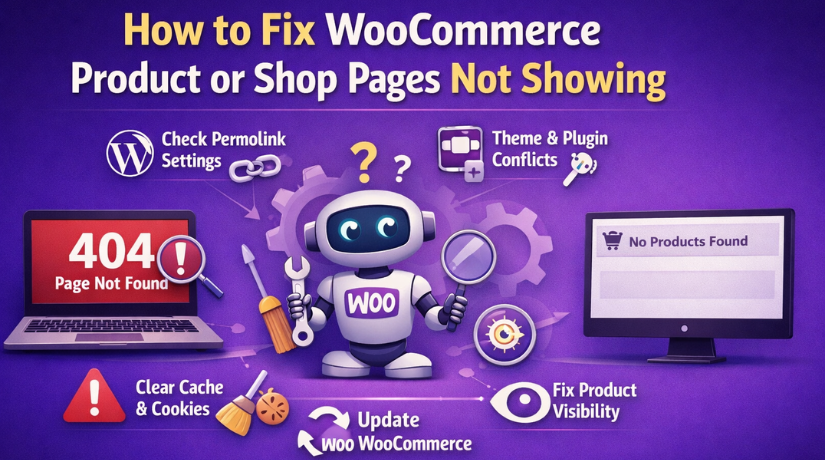
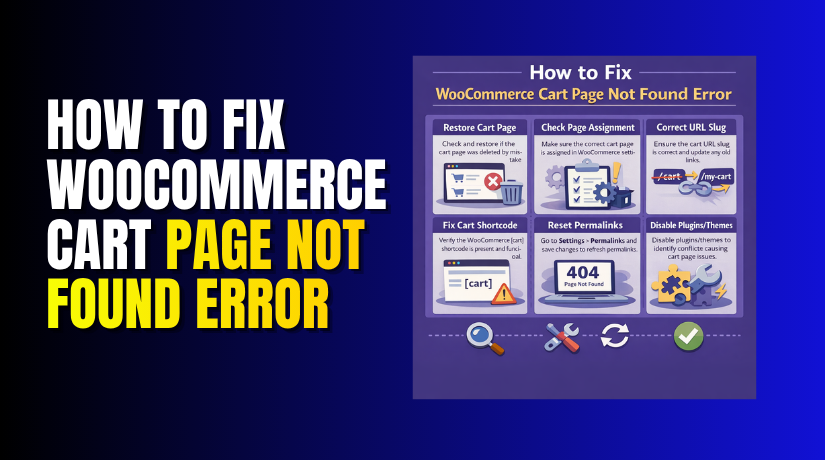
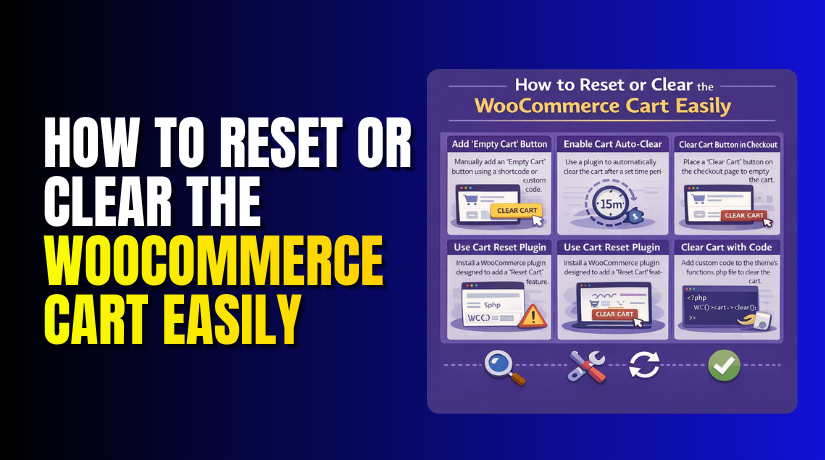
Fix WooCommerce Checkout Not Working (2026)
Last Updated: April 8, 2026 | Reviewed by Mike, WooCommerce Support Specialist at WooHelpDesk
How to Quickly Identify Your WooCommerce Checkout Issue
Before diving into fixes, narrow down the root cause with this two-minute diagnosis. WooHelpDesk support engineers use this exact triage process when handling checkout failure tickets.
| Symptom | Likely Cause | First Step |
|---|---|---|
| Checkout page shows a blank screen | JavaScript or PHP fatal error | Check browser console (F12) for Uncaught TypeError |
| Cart empties on redirect to checkout | Session or cookie conflict | Exclude /cart/ and /checkout/ from caching |
| Place Order button does nothing | Broken AJAX or wc-ajax=checkout failure |
Open Network tab, look for 403 or 500 on wc-ajax requests |
| Payment methods missing | Gateway misconfiguration or SSL issue | Check WooCommerce > Settings > Payments and verify HTTPS |
| Checkout spins indefinitely | AJAX timeout or slow database query | Monitor wc-ajax=update_order_review in DevTools Network tab |
| Authentication error on payment | Invalid or expired API keys | Re-enter API credentials in gateway settings |
| Vague or unidentified error message | PHP error or database corruption | Enable WP_DEBUG and check wp-content/debug.log |
If your symptom matches one of the rows above, jump directly to the corresponding fix section below. For complex or overlapping symptoms, work through the full troubleshooting guide in order.
Table of Contents
Introduction
Maintaining a reliable WooCommerce checkout requires attention to how wc-ajax requests process orders, how your checkout page shortcode ([woocommerce_checkout]) renders, and how cart fragment scripts update the shopping cart in real time. Proactive monitoring catches issues before customers encounter them.
WooCommerce checkout stops working due to plugin conflicts, JavaScript errors, caching issues, session failures, or payment gateway misconfigurations. These problems prevent AJAX requests from completing, causing checkout pages to freeze, display blank screens, or redirect to empty carts. Identifying the specific cause requires checking your browser console, server error logs, and WooCommerce status page.
A WooCommerce checkout page not working is one of the most critical issues an online store can face. The checkout process is crucial for sales, and any failure can cause cart abandonment and revenue loss. Issues like caching conflicts, JavaScript errors, payment gateway misconfigurations, and database inconsistencies often disrupt checkout.
WooCommerce checkout issues are typically caused by plugin conflicts, JavaScript errors, caching problems, payment gateway misconfigurations, or server resource limitations. To fix them, start by switching to a default theme, disabling non-essential plugins, clearing your cache, and checking the browser console for JavaScript errors. Testing in a staging environment helps isolate the root cause safely.
WooCommerce, as a WordPress-based eCommerce platform, relies on multiple interdependent components such as:
- WordPress core files (handling site structure and functionality)
- WooCommerce plugin files (defining product, cart, and checkout logic)
- Payment gateway integrations (via REST APIs and SDKs)
- AJAX-powered checkout scripts (enabling dynamic content updates)
- Session handling and cookies (storing user cart and order data)
If these components fail to work together, the checkout may freeze, not load, or fail to process payments. Identifying the root cause requires a systematic approach, as outlined in the following sections.
Why Fixing WooCommerce Checkout Issues Quickly is Crucial
Based on thousands of support cases WooHelpDesk has resolved, a broken WooCommerce checkout page hurts sales, user experience, and site performance. It leads to abandoned carts, lost revenue, and trust issues. Delayed fixes can cause payment failures, database errors, and security risks. Quick action ensures smooth purchases and store stability.
1. Direct Impact on Sales and Revenue
The checkout page is the final step in the buying process. If customers cannot complete their orders due to checkout failures, they are likely to leave the store without purchasing. Even a small technical error, such as a JavaScript conflict or payment gateway timeout, can disrupt transactions and impact revenue. A high cart abandonment rate signals a serious problem that needs immediate attention.
Every failed transaction means missed revenue opportunities. Additionally, if customers face repeated checkout failures, they may not return. Loss of customer confidence can lead to a drop in repeat purchases and overall sales.
2. Customer Trust and Store Reputation
A slow or malfunctioning checkout page reduces customer trust. Shoppers expect a seamless experience, and any disruption can make them question the reliability of the store. If checkout errors prevent them from making a payment, they might assume the website is unsafe or not functional.
Frustrated customers often leave negative reviews, which can damage a brand’s reputation. They may report payment failures, leading to disputes and chargebacks. In our experience resolving WooCommerce checkout failures daily, fixing these issues quickly improves customer experience and retention.
3. Checkout Session and Cart Integrity Issues
WooCommerce uses sessions and cookies to manage cart data throughout the checkout process. If the session expires or fails to update, customers may see their cart reset to empty or face an infinite loading issue. This happens when the website does not store user data correctly, causing checkout failures.
A broken checkout session can also affect how discounts, shipping rates, and taxes are applied. If checkout scripts do not function properly, users might see incorrect pricing or missing payment options. These inconsistencies create frustration and confusion, increasing the likelihood of customers leaving the site without completing their purchase.
4. API and Webhook Failures in Order Processing
Most WooCommerce stores rely on payment gateway APIs and webhooks to process transactions.If an API connection fails, payments may not process, causing pending or failed orders. PayPal, Stripe, and Square need a stable connection for secure transactions.
Webhook failures can cause problems such as:
- Orders not being marked as paid
- Delays in sending order confirmation emails
- Missing transaction records in WooCommerce and payment gateway dashboards
A broken API connection can delay refunds and customer service. A smooth checkout page prevents order issues and ensures reliable payments.
5. Impact on SEO and Website Performance
A slow or unresponsive checkout page can negatively affect SEO rankings. Search engines track how users interact with a website. If the checkout page frequently fails, visitors spend less time on the site and leave quickly, increasing the bounce rate.
Performance issues, such as slow loading and broken scripts, affect Google’s Core Web Vitals. Checkout errors can lower rankings, reducing organic traffic and sales.
Additionally, if customers encounter checkout failures, they may submit multiple requests, putting extra load on the server. This can slow down other parts of the site, affecting overall performance. Optimizing the checkout process ensures the website runs smoothly and provides a better user experience.
6. Preventing Future Security Risks
A broken checkout page can expose the website to security vulnerabilities. Many checkout failures stem from outdated plugins, themes, or insecure payment gateway configurations. If checkout scripts are not functioning correctly, they might be vulnerable to hacking attempts or fraudulent transactions.
Security risks can include:
- Payment interception through weak encryption settings
- Unauthorized checkout modifications due to outdated plugins
- Fake orders and bot attacks targeting vulnerable WooCommerce stores
Reasons Why WooCommerce Checkout Page Is Not Working
A WooCommerce checkout issue may be due to server misconfigurations, JavaScript conflicts, AJAX failures, database issues, or payment gateway errors. Since it relies on scripts, sessions, and APIs, any disruption can cause failures.
Below is a detailed breakdown of the most common WooCommerce checkout issues, along with their technical explanations.
1. Checkout Page Not Loading
When the WooCommerce checkout fails to load, users may see a blank screen, unresponsive form, or endless loading. This often happens due to JavaScript errors, caching issues, or resource limits.
Technical Causes:
- JavaScript Errors: If checkout.js or other dependent scripts fail to load, the checkout page won’t initialize correctly. Inspect the browser console (F12 > Console) for Uncaught TypeError or ReferenceError.
- Caching and Optimization Conflicts: Some caching mechanisms aggressively cache dynamic pages, preventing WooCommerce’s AJAX-based checkout scripts from executing. Exclude WooCommerce checkout URLs (/cart/, /checkout/) from caching in wp-config.php or your caching plugin settings.
- Outdated WooCommerce Version: New WooCommerce updates change checkout logic, and old templates may not work. Always check compatibility after updates.
- Security Plugins Blocking Requests: Some security plugins (e.g., Wordfence, iThemes Security) may block checkout requests as a false-positive measure. Temporarily disable security rules and check logs for blocked requests.
- Server Resource Limitations: If PHP memory is too low, the checkout script may fail. Increase it to 256M or more.
2. Checkout Button Not Working
If the checkout button doesn’t work, it may be due to JavaScript conflicts, missing WooCommerce files, or incorrect URLs.
Technical Causes:
- JavaScript Conflicts: A theme or plugin may load conflicting scripts (jQuery dependency issues). Use Chrome DevTools (F12 > Sources > Scripts) to identify missing or overridden functions.
- Broken AJAX Calls: WooCommerce relies on wc-ajax=checkout to validate orders before submission. If this request returns a 403 Forbidden or 500 Internal Server Error, it means either a firewall or a plugin is blocking it.
- Incorrect Checkout Page URL: Ensure the checkout page is correctly set under WooCommerce > Settings > Advanced > Page Setup. Sometimes, permalink settings (/%postname%/) may cause redirection failures.
- Theme Customization Errors: If your theme overrides checkout.php and removes important WooCommerce hooks, the checkout may not work.
3. WooCommerce Redirects to an Empty Cart
If the checkout page redirects to an empty cart, it’s likely due to session issues, cache conflicts, or cookie settings..
Technical Causes:
- Session Expiry Issues: WooCommerce uses PHP sessions (WC_Session_Handler) to maintain cart data. If session storage is disabled or incorrectly configured, carts will reset after redirection.
- Cache Interference: If the WooCommerce session cookie (woocommerce_cart_hash) is cached, cart data may not persist. Ensure cache headers exclude dynamic pages using Cache-Control: no-store, no-cache.
- Cookie Settings Blocking Sessions: Inspect browser storage (F12 > Application > Cookies) to confirm WooCommerce cookies are set correctly. If the cookie is missing, check wp-config.php settings for forced cookie paths.
- Hosting Restrictions on Sessions: Some shared hosting providers block PHP session storage (session_start() disabled). Contact your hosting provider to verify PHP session support.
4. One or More WooCommerce Payment Methods Not Showing
When WooCommerce payment methods don’t show, it’s often due to wrong settings, SSL issues, or currency mismatches.
Technical Causes:
- Incorrect Payment Gateway Settings: If the payment method is not enabled under WooCommerce > Settings > Payments, it will not appear during checkout.
- Missing SSL Certificate: Many payment gateways (e.g., Stripe, PayPal) require HTTPS for secure transactions. If the checkout page is not loading over HTTPS, browsers may block sensitive fields.
- Geo-Restrictions in Payment Gateway: Some gateways filter transactions based on country or currency settings. Ensure your store’s base country matches the payment provider’s supported regions.
- Plugin Conflicts with Payment Gateway APIs: If another plugin modifies checkout behavior (e.g., custom checkout fields), it may prevent certain payment methods from appearing. Disable non-essential plugins and test again.
5. Checkout Page Stuck on Infinite Loading
A checkout page stuck on loading usually means AJAX failures, database delays, or server timeouts.
Technical Causes:
- AJAX Call Failing (wc-ajax=update_order_review): WooCommerce dynamically updates order details using AJAX. If the request times out or returns an error (500 Internal Server Error), it indicates a server-side issue.
- Database Query Delays: Large WooCommerce stores with thousands of orders may experience slow SQL queries, delaying checkout processing. Optimize database tables using OPTIMIZE TABLE wp_posts, wp_woocommerce_order_items.
- Security Plugins Blocking Requests: Some security configurations may block checkout AJAX calls. Review server logs (/var/log/apache2/error.log or wp-admin/admin.php?page=wc-status&tab=logs) for blocked requests.
- Payment Gateway API Response Delays: If a payment gateway (e.g., PayPal, Stripe) is slow to respond, WooCommerce may time out. Monitor gateway logs for transaction processing times.
6. Authentication Error in Payment Processing
A WooCommerce checkout authentication error happens when the payment gateway can’t verify the transaction. This is usually due to wrong API keys, expired credentials, or firewall blocks.


Technical Causes:
- Invalid API Keys: Ensure API credentials are correct in WooCommerce > Settings > Payments > [Your Gateway].
- Expired or Revoked Access Tokens: Some gateways require re-authentication after a set period. Check the provider’s documentation for token renewal processes.
- Firewall Restrictions Blocking API Calls: If the server restricts outgoing connections, API requests may fail. Use curl -v https://api.stripe.com to test connectivity.
- Incompatible WooCommerce Version: Payment gateways frequently update API structures. Running an outdated WooCommerce version may lead to authentication failures.
7. Unidentified Error on the Checkout Page
When a WooCommerce checkout error appears, it may be due to PHP issues, database errors, or plugin conflicts.
Technical Causes:
- PHP Fatal Errors (error_log): If a plugin or theme function fails, the checkout page may break. Enable WP_DEBUG in wp-config.php to log errors.
- Database Table Corruption: WooCommerce depends on several tables (wp_posts, wp_postmeta). Run wp db check via CLI or repair tables via phpMyAdmin.
- Hosting Limits on Execution Time: If checkout scripts exceed the max execution time (max_execution_time in php.ini), they may terminate prematurely. Increase the limit to 120s if necessary.
How to Fix WooCommerce Checkout Page Not Working
A WooCommerce checkout page not working can lead to lost sales and frustrated customers. Fixing these issues quickly is essential for smooth order processing. Below are step-by-step solutions to resolve common WooCommerce checkout problems effectively.
1. Fixing Checkout Page Not Loading
If the WooCommerce checkout page is not loading, it may be due to theme or plugin conflicts. Here’s how to resolve it:
- Switch to a default theme (Storefront or Twenty Twenty-Three). This helps identify theme-related issues.
- Disable all plugins except WooCommerce. If the checkout page loads, reactivate plugins one by one to find the conflicting one.
- Clear cache and cookies. Cached scripts can prevent WooCommerce from running correctly.
- Check JavaScript errors in the browser console (F12 > Console). Errors can indicate missing scripts or conflicts.
- Update WooCommerce and WordPress. Running outdated versions can cause compatibility issues.
These steps ensure the checkout page loads correctly without errors.
2. Fixing Checkout Button Not Working
If the WooCommerce checkout button is not working, it could be due to JavaScript conflicts or incorrect settings. Try the following fixes:
- Disable JavaScript minification in cache plugins. Some optimization plugins break checkout scripts.
- Ensure AJAX is working. Go to WooCommerce > Status and check if AJAX functions correctly.
- Verify the checkout URL under WooCommerce > Settings > Advanced. An incorrect URL can prevent checkout redirection.
- Check for console errors in the browser (F12 > Console). Fix any Uncaught TypeError messages.
- Disable third-party scripts. Some plugins interfere with WooCommerce’s checkout behavior.
Fixing these issues helps customers complete their orders smoothly.
3. Fixing WooCommerce Redirecting to an Empty Cart
If the WooCommerce checkout page redirects to an empty cart, session issues may be the cause. Try these solutions:
- Exclude checkout pages from caching. In cache plugin settings, add /cart/ and /checkout/ to the exclusion list.
- Enable PHP sessions in php.ini. Some servers disable session storage, causing checkout failures.
- Check browser cookies. Ensure WooCommerce session cookies (woocommerce_cart_hash) are set properly.
- Force secure checkout. Enable SSL under WooCommerce > Settings > Advanced to prevent session resets.
- Disable security plugins temporarily. Some firewall settings block checkout scripts.
These fixes ensure cart data is saved correctly during checkout.
4. Fixing One or More WooCommerce Payment Methods Not Showing
If one or more WooCommerce payment methods are not showing, check these possible solutions:
- Verify payment gateway settings under WooCommerce > Settings > Payments. Ensure the correct payment methods are enabled.
- Check if SSL is active. Some gateways require secure HTTPS connections.
- Ensure currency settings match the payment method. Incorrect settings can prevent methods from displaying.
- Disable conflicting plugins. Some plugins block or modify payment options.
- Check geolocation restrictions. Some payment gateways do not support certain countries.
Fixing these settings ensures all payment options are visible at checkout.
5. Fixing Checkout Page Stuck on Loading
A WooCommerce checkout page stuck on loading is often caused by AJAX failures or server issues. Try these solutions:
- Check AJAX requests in DevTools (F12 > Network > Fetch/XHR). Any failed requests indicate errors.
- Increase PHP memory limit. Set memory_limit to at least 256M in php.ini.
- Disable security plugins temporarily. Some firewalls block checkout AJAX requests.
- Optimize the database. Large WooCommerce stores may have slow SQL queries affecting checkout performance.
- Update payment gateway plugins. Outdated plugins can cause checkout delays.
These fixes help checkout pages load quickly and function properly.
6. Fixing Authentication Errors in Payment Processing
If WooCommerce checkout shows an authentication error, payment gateways may not be configured correctly.
- Verify API keys under WooCommerce > Settings > Payments. Incorrect keys can prevent payments.
- Check firewall settings. Some servers block outgoing payment API requests.
- Update WooCommerce and payment plugins. Newer versions fix security authentication bugs.
- Enable debugging for payments. Under WooCommerce > Settings > Payments, turn on “Logging” to see error details.
- Test payment gateway connectivity. Use curl -v https://api.stripe.com to check API access.
Fixing authentication ensures payment transactions go through without issues.
7. Fixing Unidentified Errors on the Checkout Page
An unidentified WooCommerce checkout error can appear due to various issues. Use these steps to fix it:
- Enable debugging mode. Add define( ‘WP_DEBUG’, true ); in wp-config.php to log errors.
- Check PHP error logs. Look in WooCommerce > Status > Logs for recent errors.
- Disable recently installed plugins. New extensions may cause compatibility problems.
- Repair WooCommerce database tables. Run OPTIMIZE TABLE wp_posts, wp_woocommerce_order_items; in phpMyAdmin.
- Test checkout on a different browser. Some browser extensions interfere with WooCommerce scripts.
Best Practices to Prevent Future Checkout Problems
Preventing WooCommerce checkout page issues is better than fixing them later. Follow these best practices to keep your checkout running smoothly:
1. Regularly Update WooCommerce and Plugins
- Always run the latest versions of WooCommerce, WordPress, and payment gateways.
- Before updating, test on a staging site to check for conflicts.
2. Monitor Checkout Performance and Errors
- Enable WooCommerce debug mode to catch errors early.
- Regularly check WooCommerce logs (WooCommerce > Status > Logs).
3. Optimize Server and Hosting Configuration
- Increase PHP memory limit to avoid timeout issues.
- Use a WooCommerce-optimized hosting provider for better performance.
4. Exclude Checkout Pages from Caching
- WooCommerce checkout pages should never be cached.
- Configure cache plugins to bypass /cart/ and /checkout/ pages.
5. Test Payment Gateways Regularly
- Verify that all payment methods are showing on checkout.
- Run test transactions to confirm payment processing works correctly.
When You Need Expert WooCommerce Support
If your WooCommerce checkout page is still not working, professional help may be needed. Some issues require advanced troubleshooting, custom fixes, or server adjustments. WooHelpDesk specializes in WordPress and WooCommerce support, quickly resolving payment failures, AJAX errors, database issues, and server misconfigurations to keep your checkout running smoothly.
Need urgent help? Contact our WooCommerce experts at +1 888 602 0119 (US & Canada) or use our WooCommerce support chat for real-time assistance.
By reaching out to WooHelpDesk, you can prevent revenue loss, ensure a seamless checkout process, and improve customer experience. Let our experts handle the technical challenges so you can focus on growing your business. 🚀
Frequently Asked Questions
Why is my WooCommerce checkout page not loading?
A WooCommerce checkout page that fails to load is usually caused by JavaScript errors, aggressive caching of dynamic pages, or PHP memory limits being exceeded. Check your browser console (F12) for script errors, exclude /checkout/ from your caching plugin, and increase your PHP memory limit to at least 256M in wp-config.php.
How do I fix WooCommerce checkout AJAX errors?
WooCommerce relies on AJAX calls like wc-ajax=checkout to process orders. If these fail, check your browser Network tab (F12 > Network > Fetch/XHR) for 403 or 500 errors. Common causes include security plugins blocking the request, incorrect permalink settings, or a corrupted .htaccess file. Temporarily disable your firewall plugin and reset permalinks under Settings > Permalinks.
Why are payment gateways not showing on WooCommerce checkout?
Missing payment gateways at checkout are often caused by an inactive SSL certificate, currency mismatches, or geo-restriction settings in the gateway configuration. Verify that HTTPS is active, your store currency matches the gateway’s supported currencies under WooCommerce > Settings > Payments, and that no plugin is filtering available payment methods.
Can caching plugins break WooCommerce checkout?
Yes. Caching plugins that cache dynamic pages can prevent WooCommerce session data from loading correctly, resulting in empty carts or frozen checkout forms. Always exclude /cart/, /checkout/, and /my-account/ from your caching plugin. WooHelpDesk support cases frequently trace checkout failures back to misconfigured caching rules.
What PHP version does WooCommerce checkout require?
WooCommerce recommends PHP 7.4 or higher, with PHP 8.0+ preferred for optimal checkout performance. Running an outdated PHP version can cause session handling failures, slow AJAX responses, and compatibility issues with payment gateway SDKs. Check your PHP version under WooCommerce > Status > System Status.
How do I test WooCommerce checkout without affecting live orders?
Use a staging environment to safely test checkout changes. Most managed WordPress hosts offer one-click staging. Enable WooCommerce test mode for payment gateways like Stripe and PayPal, which lets you simulate transactions using test card numbers without processing real payments. Based on cases WooHelpDesk has handled, testing in staging catches over 90% of checkout issues before they reach customers.
Why does WooCommerce redirect to an empty cart at checkout?
This usually indicates a session storage problem. WooCommerce uses PHP sessions and the woocommerce_cart_hash cookie to persist cart data. If your server disables PHP sessions, or your caching layer strips the session cookie, cart data is lost on redirect. Verify cookies are set correctly in your browser DevTools (F12 > Application > Cookies) and contact your host to confirm PHP sessions are enabled.
How do I fix a WooCommerce session expired error at checkout?
A session expired error occurs when the WooCommerce session handler (WC_Session_Handler) loses track of cart data between page loads. This typically happens on hosts that disable PHP session_start() or use aggressive object caching without proper session exclusions. To fix it, confirm PHP sessions are enabled in your hosting control panel, add define('WC_SESSION_CACHE_GROUP', 'wc_session_id'); to your wp-config.php if you use persistent object caching, and exclude checkout-related cookies from your CDN or reverse proxy. WooHelpDesk engineers commonly trace this issue to Cloudflare or Varnish stripping the woocommerce_cart_hash cookie.
Can a CDN or Cloudflare break WooCommerce checkout?
Yes. CDNs like Cloudflare can interfere with WooCommerce checkout by caching dynamic pages, stripping session cookies, or blocking wc-ajax requests with overly aggressive firewall rules. To prevent this, create a Cloudflare Page Rule that sets Cache Level to “Bypass” for */checkout/* and */cart/*. Also check your WAF (Web Application Firewall) logs for any blocked POST requests to wc-ajax=checkout. If you use Cloudflare Rocket Loader, disable it for WooCommerce pages as it can delay JavaScript execution and break cart fragments.
Why does WooCommerce checkout fail after entering payment details?
Checkout failure after payment entry usually points to a payment gateway API communication issue. The most common causes are expired or incorrectly pasted API keys, webhook endpoint URLs that return 403 or 500 errors, or TLS version mismatches between your server and the gateway. Check your gateway logs under WooCommerce > Settings > Payments > [Gateway] > Logs. For Stripe specifically, verify that your webhook signing secret matches the one in your Stripe Dashboard > Developers > Webhooks. Running curl -v https://api.stripe.com from your server confirms whether outbound API connectivity is working.
Conclusion
A WooCommerce checkout page not working can severely impact sales and customer trust. Fixing issues like payment failures, cart reset errors, and checkout button malfunctions ensures a smooth shopping experience. Regular updates, proper caching settings, and payment gateway optimization help prevent future problems. Implementing best practices — and partnering with WooHelpDesk when needed — such as monitoring logs, optimizing server performance, and testing checkout functionality regularly will keep your store running efficiently. A stable and error-free checkout process leads to better customer satisfaction and increased conversions.