How to Fix WooCommerce Product or Shop Pages Not Showing Correctly (Complete Guide)
Table of Contents
- Introduction
- Signs That Show WooCommerce Product or Shop Pages Are Not Showing Correctly
- Reasons Why WooCommerce Product or Shop Pages May Stop Showing Properly
- How to Fix WooCommerce Product or Shop Pages Not Showing Correctly (Step by Step)
- Best Practices to Prevent WooCommerce Product or Shop Page Display Problems in Future
- Conclusion
Introduction
When your store pages stop loading well, shoppers notice it fast. A broken layout can hurt trust, clicks, and sales. Many store owners face this issue after updates, design edits, or plugin changes. Sometimes the problem looks small at first. Later, it starts affecting more pages across the store. You may see a blank shop page. You may also see a broken product layout. In many cases, the issue starts with settings, theme conflicts, or old cache.
In other cases, page templates stop working the right way. That is why you need to check the signs early. If your WooCommerce product page not showing correctly the problem stays ignored, customers may leave your site. The same happens when the WooCommerce shop page is not displaying properly on desktop or mobile. This guide explains the common signs that tell you something is wrong. Once you know these signs, fixing the issue becomes much easier.
Signs That Show WooCommerce Product or Shop Pages Are Not Showing Correctly
Not every store problem looks the same. Some websites show clear errors. Others load the page, but the content looks wrong. You may think the issue is small. But even a minor display problem can block sales. These signs can help you spot the issue faster. They also help you understand where to begin checking.
Shop Page Opens but Shows Blank or Incomplete Content
One common sign is a blank shop page. The page opens, but products do not appear. Sometimes only the header and footer are visible. In some stores, the sidebar shows, but the main area stays empty. This usually means the store content is not loading correctly. It can happen due to page assignment issues, broken templates, or cached content. Many users describe this as a WooCommerce shop page not displaying proper issues. The page may still load its design, but the actual product grid stays missing. This is also a common case of WooCommerce pages not loading correctly after a change in settings or theme files. If your shop page looks empty, that is a strong warning sign.
Product Pages Show a Broken Layout Instead of Normal Design
Another clear sign is a broken product page layout. The product page opens, but the structure looks damaged. The image may shift to the wrong place. The price may appear below unrelated sections. Tabs may stack badly or stop opening. The Add to Cart area may also move out of position. This kind of issue often happens when theme templates stop matching WooCommerce updates. It may also happen after custom code changes. Many store owners call this a WooCommerce product page broken layout problem. If the page looks messy, stretched, or incomplete, do not ignore it. A product page should look clean and easy to use. When the WooCommerce product page is not showing correctly, visitors may not trust the product enough to buy it.
Products Are Missing From the Main Shop Page
Sometimes the shop page loads, but not all products show there. You may notice missing items in the product grid. A newly added product may stay hidden. Old products may still appear, but new ones do not. This often creates confusion for store owners and shoppers. The page looks active, but the catalog is incomplete. This is a strong sign of WooCommerce shop page missing products. The cause may be product visibility settings, category setup, stock options, or caching. In some cases, only specific product types disappear. In other cases, whole groups of products go missing. This issue can reduce sales because shoppers cannot find available items. If products are not visible, your store cannot perform well.
Product Category or Archive Pages Show Wrong or Empty Results
Your category pages can also show that something is wrong. A category page may load with no products inside it. Sometimes it shows unrelated products from another category. In some stores, category filters stop working after updates. Shoppers click a product category and land on a page with wrong results. This confuses them and makes browsing harder. It also affects the shopping journey. If archive pages do not work properly, your store becomes harder to use. This issue may happen because of template conflicts, wrong category settings, or custom filter plugins. It can also happen when WooCommerce pages are not loading correctly across product archives. When category pages stop working well, that is an early sign your store needs attention.
Important Product Details Are Missing From the Product Page
A product page may load, but key details may be missing. The title may not appear. The price may disappear. The product image may not load at all. Sometimes the Add to Cart button is missing. Other times, the short description or tabs do not show. These missing elements make the page look incomplete and untrustworthy. Shoppers need these details before placing an order. If they do not see them, they often leave the site. This is another form of WooCommerce product page not showing correctly. It may come from builder issues, broken template overrides, or plugin conflicts. It may also point to a WooCommerce theme compatibility issue if the theme does not support WooCommerce well. Missing product details always need quick checking.
Shop or Product Pages Still Show Old Content After Changes
You may update a page, but the front end still shows old content. This is another common sign of display trouble. You may change a product image, layout, or price, but nothing updates live. In other cases, the store still shows an old design version. This often happens because of browser cache, caching plugins, server cache, or CDN delay. It may feel like the update failed, even when it was saved correctly. Store owners often face this while trying a WooCommerce display issues fix. They make changes, but the page still looks broken or outdated. This can also make it seem like the WooCommerce shop page is not displaying properly, even when the real issue is cached content. When new changes do not appear, always treat it as an important sign.
Some Display Problems Only Appear After Theme or Plugin Changes
Many display issues begin right after a small site change. You may install a new plugin. You may update your theme. You may edit the product page layout. Then the shop or product page starts behaving badly. This timing is important. It often points to a theme or plugin conflict. A WooCommerce theme compatibility issue can break layouts, hide content, or affect archive pages. A plugin can also change how products load on the front end. If the issue started after a recent update or design change, that is a strong clue. It shows the problem is not random. It usually has a direct technical cause that needs testing.
Reasons Why WooCommerce Product or Shop Pages May Stop Showing Properly
When store pages break, the cause is often not random. In most cases, the issue starts after a settings change, update, cache delay, or template conflict. WooCommerce pages depend on correct page setup, product visibility rules, permalink structure, and theme support. If one of these parts fails, the front end may look incomplete or wrong. That is why a proper WooCommerce display issues fix starts with understanding the real cause first.
Wrong WooCommerce Page Setup Can Break Shop and Product Display
A wrong page setup is one of the most common causes. WooCommerce uses specific pages for shop-related output. If the Shop page is missing, deleted, replaced, or assigned wrongly, the page may open without showing products correctly. This can make the WooCommerce shop page not displaying properly even though the store is active. In some cases, page endpoints also stop working as expected after page changes. When the main WooCommerce pages are not linked correctly, the store layout can look broken or incomplete.
Incorrect Product Visibility Settings Can Hide Products From the Store
Sometimes the page works, but the products stay hidden. This often happens because visibility settings are wrong. A product may be set to hidden, private, draft, or limited by catalog rules. Some stores also use role-based visibility or catalog control tools, which can hide products from guests or selected users. This is a major reason behind WooCommerce shop page missing products. When visibility rules are changed by mistake, the catalog may appear empty even though the products still exist in the dashboard.
Theme Conflicts or Outdated Template Files Can Damage the Layout
Your theme controls a large part of the front-end design. WooCommerce works with many themes, but better results usually come from themes built for ecommerce use. If the theme is not fully compatible, or if old template overrides remain inside the theme, the layout can break. This often leads to a WooCommerce product page broken layout with missing images, moved buttons, or damaged sections. WooCommerce also notes that template overrides need regular maintenance because core templates change over time.
Plugin Conflicts Can Stop WooCommerce Pages From Loading Correctly
Every extra plugin adds more code to your store. That also increases the chance of conflicts. WooCommerce officially recommends conflict testing because third-party themes and plugins are not guaranteed to work perfectly together. A recently added builder, filter, cache, optimization, or custom display plugin can interfere with product grids, buttons, templates, or archive pages. This is a common reason for WooCommerce pages not loading correctly. If the issue starts after a plugin change, that timing often points to the real cause.
Cache Problems Can Keep Showing an Old or Broken Version
Caches can make a healthy page look broken. Your browser, caching plugin, hosting layer, or CDN may keep showing an older copy of the page. This means recent fixes, product updates, or layout changes may not appear right away. Store owners often think the change failed, when the real issue is delayed page refresh. Cache-related problems can make the WooCommerce shop page not displaying properly or make a product page seem unchanged after edits. That is why cache is often part of any proper WooCommerce display issues fix process.
Broken Permalinks or URL Structure Can Affect Shop and Product Pages
WooCommerce depends on a proper permalink structure for products, categories, and shop archives. If slugs are changed, permalink settings are not refreshed, or custom permalink structures are misused, product and shop URLs may stop behaving correctly. This can cause category pages to open wrongly, product pages to fail, or archive pages to show unexpected results. It may also look like the WooCommerce product page is not showing correctly when the real issue is the URL structure. A broken permalink setup often creates display trouble that feels bigger than it first appears.
Page Builders or Custom Design Changes Can Override Default WooCommerce Output
Many stores use builders or custom layouts to improve design. These tools can help, but they can also override WooCommerce templates, product archives, and single product output. In classic themes, PHP template overrides can take priority over WooCommerce defaults. In block themes, custom HTML templates can also replace default single product or taxonomy templates. If those custom files are incomplete or outdated, the result may look like a WooCommerce product page broken layout or a WooCommerce theme compatibility issue. Custom design freedom is useful, but it also raises the chance of front-end display problems.
Wrong WooCommerce Catalog or Display Settings Can Show the Wrong Content
Sometimes the issue comes from store settings rather than code. Catalog behavior, visibility rules, and display choices can change what the shop or archive pages show. A store may be set up in a way that hides products, limits purchasing behavior, or changes how items appear to visitors. This can create confusion because the page loads, but the content does not match what the owner expects. In that case, the page may seem broken even though the deeper issue is configuration. This is another reason store owners report a WooCommerce shop page not displaying properly or WooCommerce shop page missing products.
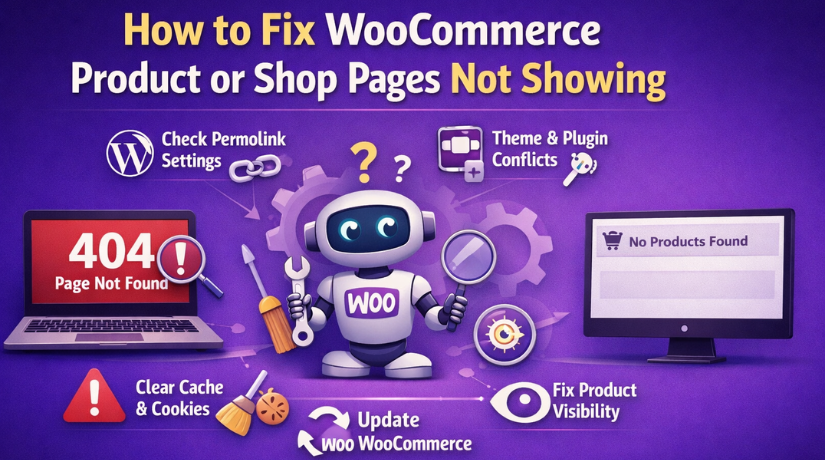
How to Fix WooCommerce Product or Shop Pages Not Showing Correctly (Step by Step)
If your store pages look broken, do not panic. This issue is common in many WooCommerce stores. The good part is that it can usually be fixed. You just need to check each area in order. A proper WooCommerce display issues fix starts with simple checks first. Then you move to deeper testing if needed. Follow these steps one by one. Do not skip steps during testing.
Step 1: Check Whether the Correct WooCommerce Shop Page Is Assigned
Start with the basic page setup first. Open your WordPress dashboard and go to WooCommerce settings. Find the area where the Shop page is assigned. Make sure the correct page is selected there. If the wrong page is linked, the front end can look blank. This is a common reason for WooCommerce shop pages not displaying properly. Sometimes the page exists, but WooCommerce is not using it. In that case, the shop page may open without products. Save the settings again after checking the page. Then open the shop page on the front end and test it.
Step 2: Make Sure the Product Is Published and Visible
Now check the products that are missing. Open one missing product from the dashboard. Make sure the product status is published. If it is saved as draft, it will not appear. Also check the catalog visibility setting there. A hidden product will not show on the shop page. This step matters when you see WooCommerce shop pages missing products. Also review whether the product is private by mistake. Check the product date as well if scheduling is used. Once you correct visibility settings, save the product again. Then test the shop page and category page.
Step 3: Check Product Stock Status and Product Type Settings
After visibility, check the stock details. Some products stay hidden because stock settings block them. Open the product inventory section and review stock status. Make sure the item is marked correctly. If your store hides out-of-stock items, that can affect display. Also check whether the product type is simple, variable, grouped, or external. Wrong product type settings may affect layout and display. This step helps when the WooCommerce product page is not showing correctly on the front end. Save any needed changes and refresh the page again.
Step 4: Refresh WordPress Permalink Settings
Permalink issues can break product and shop URLs fast. Go to the WordPress Permalinks settings page. Do not change anything unless truly needed. Just click the Save Changes button once. This refreshes the full URL structure of the site. It often helps when WooCommerce pages are not loading correctly after updates. It can also fix broken category pages and shop archives. If your WooCommerce product page is not showing correctly, this step can help early. After saving, test product pages, category pages, and the shop page.


Step 5: Clear Browser Cache and Reload the Store Page
Sometimes the issue is not living anymore. But your browser still shows the old version. Clear the browser cache first before deeper testing. Then reload the shop page in a private window. This gives you a fresh view of the site. Many store owners miss this simple but important step. It often looks like a page fix failed, but only cache remains. This is a key part of a full WooCommerce display issues fix. If the page now looks normal, the issue was cached content.
Step 6: Clear WordPress Cache Plugin, Server Cache, and CDN Cache
If browser cache is not the cause, clear all other cache layers. Purge the cache from your caching plugin first. Then clear the server cache from your hosting panel. If you use Cloudflare or another CDN, clear that too. Cached files can keep an old broken layout active. This often causes WooCommerce shop pages not displaying properly after edits. It can also keep a WooCommerce product page’s broken layout visible even after a fix. After clearing all cache, test again in private mode.
Step 7: Check Whether the Shop Page Itself Has Wrong Content
Now open the actual Shop page in the dashboard. See whether someone added custom content there by mistake. In many stores, the Shop page should not contain random builder blocks. Too much custom content can affect display badly. If the page uses a page builder, inspect the layout carefully. Remove only the part that clearly breaks the layout. This step matters when WooCommerce pages are not loading correctly after page editing. Once cleaned, update the page and test it again.
Step 8: Deactivate Extra Plugins One by One
Plugin conflicts are one of the biggest causes of display issues. Keep WooCommerce active during this test. Then deactivate the other plugins one at a time. After each deactivation, check the shop and product pages. This helps you find the exact conflict. Pay special attention to builder, filter, cache, SEO, and optimization plugins. These often affect the front-end structure. If the page starts working after one plugin is off, you found the cause. This step is very useful for WooCommerce display issues to fix work. It is also common when WooCommerce shop pages are missing products after a plugin update.
Step 9: Temporarily Switch to a Default WooCommerce-Friendly Theme
If plugins are not causing the problem, test the theme next. Switch to a default WooCommerce-friendly theme for testing. Then open the shop page and product page again. If the problem disappears, the active theme is likely causing it. This is a common WooCommerce theme compatibility issue. A theme problem can create a WooCommerce product page broken layout fast. Images may move, tabs may break, and buttons may disappear. If the default theme works fine, review your main theme carefully.
Step 10: Check Whether Page Builder Templates Are Overriding the Layout
Many stores use Elementor or similar page builders. These tools can control product and archive layouts. If a template is assigned wrongly, your store pages may look broken. Open the builder templates and review them carefully. Check display conditions, assigned locations, and widgets in use. A wrong template can cause WooCommerce product pages not showing correctly. It can also create a broken shop archive layout. Disable the custom template for testing if needed. Then check whether WooCommerce default output returns normally.
Step 11: Review WooCommerce Template Override Files in the Theme
Some themes use WooCommerce template override files. These files can become outdated after WooCommerce updates. When that happens, layout sections may stop working well. Product images, tabs, titles, and buttons may shift or disappear. This creates a WooCommerce product page with a broken layout on the front end. Check the WooCommerce status report for outdated templates. If outdated files appear, review and update them carefully. Remove only what you understand clearly. Then test the product page again after changes.
Step 12: Recreate or Reassign Missing WooCommerce Pages
Sometimes the WooCommerce page was deleted earlier. In other cases, the page exists but the wrong one is assigned. Recreate missing pages if needed. Then assign them properly in WooCommerce settings. Also check the slug of the page. A wrong slug can confuse routing and display. This step helps when the WooCommerce shop page is not displaying properly after site edits. Once the page is restored, save settings and test again.
Step 13: Check Product Categories, Tags, and Filters
Now check how products are organized. Open the products that are not showing. Make sure they are assigned to the correct category. Also review tag settings and any active filter plugin. A wrong category can make products disappear from archives. A broken filter can hide products from users. This is a common cause of WooCommerce shop page missing products. Fix the product assignments and save changes. Then test category pages and the main shop page again.
Step 14: Look for Custom Code Causing Layout Problems
If the issue started after design edits, check custom code. Review changes added in the child theme, custom plugin, or code snippets area. Small code errors can break page layout quickly. This often causes WooCommerce pages not loading correctly or loading incompletely. Custom CSS can also hide important product elements. Custom PHP can damage product templates and loops. Remove or disable the recent code change for testing. Then open the shop page again and compare the result.
Step 15: Test the Store on Mobile and Desktop After Every Change
Do not test only on one screen. A page may look normal on desktop but fail on mobile. Some WooCommerce theme compatibility issue problems appear only on smaller screens. Check the shop page, category page, and product page on both devices. Also test important areas like product image, price, and Add to Cart button. This helps confirm the fix fully. If everything works on both screen sizes, the issue is likely resolved.
Step 16: Keep Notes While Testing Each Step
This step is simple but very helpful. Write down what you changed during testing. Note which plugin was turned off and which page was checked. This avoids confusion during repeated tests. It also helps if you need developer support later. A clear test record makes any WooCommerce display issues fix process easier. It saves time and prevents repeated mistakes.
Best Practices to Prevent WooCommerce Product or Shop Page Display Problems in Future
Fixing the issue is important, but prevention matters more. A stable store saves time, money, and lost sales. Many display problems start after small changes. A rushed update or unsafe edit can break the layout fast. That is why you need simple prevention steps. These steps help reduce future errors across your store. They also help avoid another WooCommerce product page not showing the correct problem.
Use a WooCommerce-Compatible Theme That Supports Store Pages Properly
Your theme plays a big role in store layout. If the theme is weak, problems appear more often. A good theme should support WooCommerce features clearly. It should handle product grids, product pages, and archive pages well. This reduces the chance of a WooCommerce theme compatibility issue later. Many store owners use stylish themes without proper WooCommerce support. That often leads to broken layouts after updates. Choose a theme that works well with store functions. This one step can prevent many display errors before they start.
Keep WooCommerce, Your Theme, and Plugins Updated on Time
Old files often create layout problems on live stores. WooCommerce changes over time with new updates. Themes and plugins must stay updated with it. If one part stays old, conflicts can begin. This can lead to a WooCommerce product page broken layout or missing shop content. Updates also improve speed, security, and page stability. But you should not update carelessly on the live site. Always review what changed before applying major updates. Safe updates help keep your store pages working correctly.
Avoid Editing Core WooCommerce Files Directly on the Live Site
Direct core edits are risky for any WooCommerce store. Those changes are often lost after the next update. They can also break the page structure badly. If you need custom work, use a child theme instead. You can also place safe custom code in the right area. This keeps your changes separate from WooCommerce core files. It also makes troubleshooting much easier later. Many WooCommerce pages not loading correctly issues begin after unsafe edits. Clean and safe code structure helps prevent that problem.
Test Every Major Change on a Staging Site Before Going Live
A staging site gives you a safe test space. You can try updates and design changes there first. If something breaks, your live store stays safe. This is one of the best habits for store owners. It helps catch theme, plugin, and layout conflicts early. It also reduces the chance of a WooCommerce shop page not displaying properly after changes. Many problems can be found in staging within minutes. That is much better than breaking the live shop page. Testing first helps you protect sales and customer trust.
Use Caching Carefully and Clear It After Store Changes
Cache helps speed up your site, but it can confuse store owners. It may keep showing old page versions for hours. This makes new fixes look like they failed. It can also make a normal page look broken. That is why caching should be used carefully. Set it up properly and understand how it works. After any product or layout change, clear all cache layers. This helps prevent false display errors on the front end. It also helps avoid a WooCommerce shop page missing products issue caused by old cached content.
Check Plugins Regularly and Remove Unused Ones From the Store
Too many plugins increase the chance of conflicts. Each plugin adds more code to your site. Some plugins also affect WooCommerce pages directly. Builders, filters, cache tools, and design plugins need extra care. Review your active plugins often and remove unused ones. Keep only trusted and needed tools on the site. This lowers the risk of a WooCommerce display issues fix becoming necessary later. A cleaner plugin setup means fewer surprises after updates. It also keeps store performance better.
Take Full Backups Before Updates, Design Changes, or Template Edits
Backups are your safety net during store work. If something breaks, you can restore the site fast. Without a backup, even a small error can become stressful. Always create a full backup before updating WooCommerce, plugins, or themes. Do the same before editing templates or adding custom code. This habit protects you from bigger problems later. It also helps when a WooCommerce product page not showing correctly appears suddenly. A recent backup gives you a safe recovery option.
Conclusion
When WooCommerce product or shop pages do not show correctly, the issue can affect both user experience and sales. In most cases, the problem starts because of page settings, product visibility, cache, theme conflicts, plugin conflicts, or outdated template files. The best way to solve it is to check each area step by step. Once you test the setup carefully, the real cause usually becomes clear. It is also important to follow safe practices in the future. Regular updates, proper backups, careful plugin use, and a WooCommerce-friendly theme can help prevent the same issue again. With the right checks, most WooCommerce page display problems can be fixed without long-term damage to your store.
If your WooCommerce product page or shop page is still not showing correctly, contact WooHelpDesk for expert support. Our team can find the exact cause, fix the issue properly, and help your store run smoothly again.