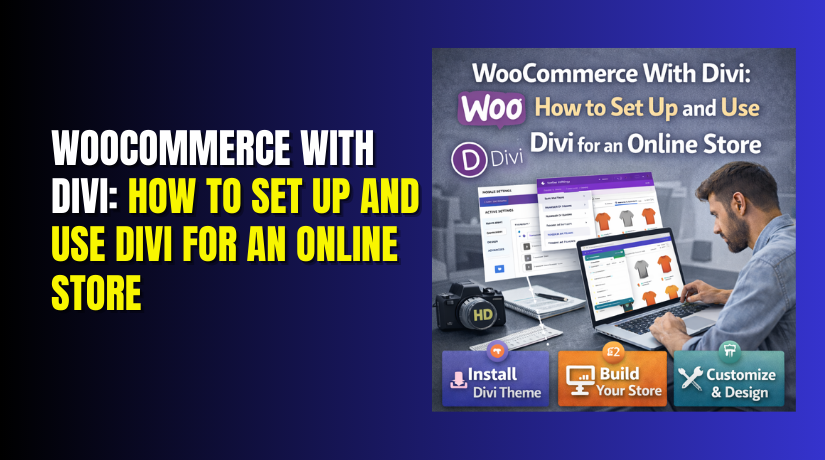
WooCommerce With Divi: How to Set Up and Use Divi for an Online Store
Table of Contents
- Introduction
- What Is Divi?
- Does Divi Work With WooCommerce?
- Features of Divi That Help WooCommerce Stores
- Is Divi Good For E-Commerce Stores?
- How to Use WooCommerce With Divi: Step‑by‑Step
- What Are the Disadvantages of Divi Builder?
- How to Use WooCommerce With Divi: Step-by-Step Guide
- Best Practices for Divi and WooCommerce
- Conclusion
Introduction
Divi and WooCommerce are popular tools for WordPress store owners today. Many users want design control with simple store features. This is where WooCommerce with Divi becomes a strong option. Divi helps you design pages with a visual builder easily. WooCommerce handles products, orders, payments, and shipping smoothly. Together, they let you build a modern online store without coding. This guide explains how Divi works for online selling clearly. You will learn what Divi is and what it offers. You will also understand the basic Divi WooCommerce compatibility in simple terms.
What Is Divi?
Divi is a WordPress theme and a visual page builder tool. It is made by Elegant Themes and is widely used. Divi helps you design pages using drag and drop blocks. You can change layouts, colors, and spacing without code. You can also build headers, footers, and templates using rules. This makes Divi useful for many business websites and stores. Many users choose Divi for eCommerce because it looks modern. It also gives control over how pages appear to shoppers. Divi supports clean design and helps your brand look professional. It can be used for blogs, services, landing pages, and stores.
Quick Overview of Divi Theme and Divi Builder for Store Design
Divi comes as a theme that you install and activate normally. It also has a Divi Builder option for page building. The theme gives full site design control in one place. The builder gives visual editing for pages and layouts. With the builder, you can edit a page from the front end. You can see changes live while building each section. This makes store page design much faster and easier. Many users start with the Divi theme for full control. Some use the builder plugin with another theme too. For WooCommerce stores, the theme option is often smoother. It helps your Divi WooCommerce integration feel more consistent. A clean design setup also reduces styling issues later.
What Divi Helps You Build for a Better Store Experience
Divi helps you build store pages that look clean and professional. You can create custom home pages with product highlights easily. You can design landing pages for sales and promo campaigns. You can also build category pages with custom sections and banners. Divi supports reusable sections to save time on new pages. You can create design blocks for trust badges and shipping notes. You can add reviews and support sections in a simple layout. This helps shoppers feel more confident while buying online. For store owners, this saves time and improves store looks. Many beginners like Divi because it feels simple to use. It also supports strong page design for better conversions. This foundation matters before you begin Divi WooCommerce setup steps.
Does Divi Work With WooCommerce and Can You Use It for Your WooCommerce Store Easily?
Yes, Divi works well with WooCommerce on most WordPress websites. This is the core reason many users choose WooCommerce with Divi. WooCommerce manages products, carts, checkout, and order emails smoothly. Divi controls how your store pages look and feel. This gives you both selling power and design freedom together. In simple words, WooCommerce runs the store system in the background. Divi designs the front view your customers see daily. This makes Divi WooCommerce compatibility a practical choice for many stores. You can sell physical products, digital items, or service packages. You can also build custom sales pages with strong visuals.
Divi and WooCommerce Compatibility Explained in a Simple Way
Divi supports standard WooCommerce pages without major problems. Your Shop page, Product page, Cart page, and Checkout work normally. My Account page also works fine for login and orders. This means the store flow stays stable for buyers. Divi adds design control through its builder and templates. That is the main value of Divi WooCommerce integration for store owners. You can style product sections and improve page layout easily. You can also keep branding consistent across all store pages. Most store owners want a clean design with fast edits. Divi makes those design edits easier for beginners. This is why many ask, Is Divi good for WooCommerce stores? For small and medium stores, the answer is often yes.
What You Can Customize in Divi for a Better Store Look
Divi lets you design store pages without touching code. You can build a custom Shop page layout easily. You can show featured products, categories, and promo banners clearly. You can create product page layouts that match your brand style. You can control spacing, fonts, buttons, and section order. You can add trust blocks like shipping notes and return text. You can add FAQ sections and support contact details. This helps shoppers feel safe and ready to buy. Many users choose Divi for eCommerce for this reason. It gives design control that standard themes may not offer. With the right layout, products look clean and easy to scan. This can help improve clicks and cart actions.
What May Need Extra Attention Before You Go Live
Some stores face speed issues if pages get too heavy. Divi pages can load slower if you add many effects. Large images, sliders, and animations can slow loading quickly. This is one of the common Divi theme disadvantages people mention. You can avoid this by using clean layouts and smaller images. Another issue can be plugin conflicts on checkout related plugins. Some add-on plugins may style fields in unexpected ways. Testing after updates is important for stable store performance. Also, deep checkout changes may need extra tools or coding. Divi can style sections, but not every checkout rule. Still, most stores can run fine with smart design choices. A careful Divi WooCommerce setup reduces issues from day one.
Features of Divi That Help WooCommerce Stores Look More Professional
Divi includes strong tools that support modern store design needs. These tools help you build pages faster and keep them consistent. Divi also supports templates that work well for product pages. This makes Divi WooCommerce integration easier to manage long term. Instead of editing every page, you can use global rules. This saves time when your store grows with more products. Divi is not only about design styles and colors. It also supports layout building that improves user experience. Below are the key features that store owners use most.
Divi Theme Builder for Creating Store Templates Without Coding
Divi Theme Builder lets you create templates for store content. You can build one template for all product pages easily. You can also create templates for categories and special pages. You can set rules to apply templates by product type. You can apply templates by category, tag, or even specific products. This keeps your store layout consistent across many pages. It also speeds up your design work and updates. For stores with many products, this is very helpful. It makes ongoing Divi WooCommerce setup changes faster and cleaner. You can update one template and improve many pages quickly.
Divi WooCommerce Modules That Add Product Elements in Minutes
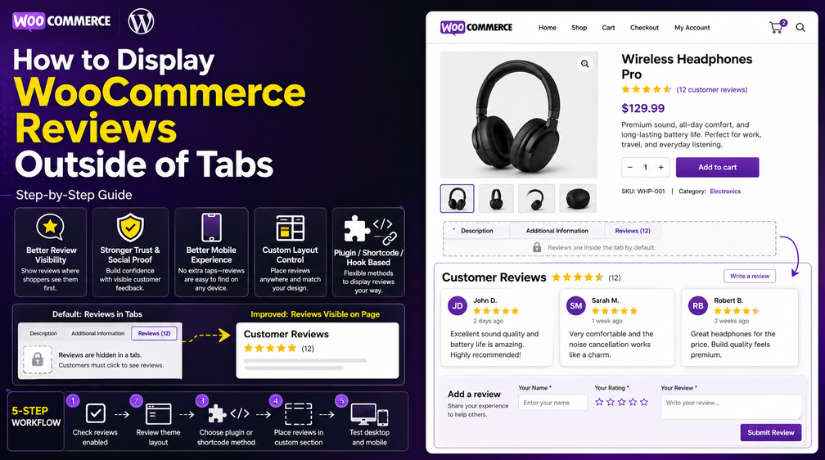
Divi includes WooCommerce modules for product display elements. You can add modules like product title and product price. You can add product images and add to cart buttons easily. You can also add product tabs and review sections. Related products and upsells can be displayed in clean layouts. This helps customers find more items and buy more. These modules make the product page layout feel complete. They also reduce the need for extra design plugins. When modules work well, Divi WooCommerce compatibility feels smooth. You can place elements where they fit your layout plan. This helps you build a store that looks more trusted.
Global Design Tools for Consistent Buttons, Colors, and Fonts
Divi supports global styles for common design elements. You can set the same button style across your store pages. You can use the same fonts and heading styles everywhere. You can control your color palette to match your brand. You can also save sections and reuse them later. This is useful for banners, CTAs, and shipping note blocks. Reuse keeps your store consistent and saves editing time. Global styles also prevent random design changes across pages. This improves brand trust and keeps the store clean. With this approach, WooCommerce with Divi feels well planned.
Responsive Controls to Make Your Store Look Great on Mobile
Divi includes strong mobile controls for store layouts. You can set different sizes for desktop and mobile easily. You can adjust spacing and font size per device view. You can also hide sections on mobile if needed. This helps you keep pages clean on small screens. Mobile shopping is common, so this matters a lot. A good mobile layout improves cart and checkout actions. Responsive controls support better browsing and fewer user mistakes. This is a key part of smart Divi WooCommerce setup planning. When mobile looks good, stores often get better results.
Marketing and Conversion Tools to Support Sales and Promotions
Divi helps you build sales sections that push conversions. You can add promo banners and product highlight sections easily. You can create landing pages for seasonal offers and discounts. You can add email opt-in sections if your store uses them. You can also design call-to-action blocks that look professional. These marketing sections can be added without complex tools. This supports growth for new stores and small brands. It also supports better promotion for top selling products. When used well, Divi for eCommerce becomes more than design. It becomes a full store page system for selling.
Is Divi Good For E-Commerce Stores?
Many store owners ask, “Is Divi good for WooCommerce stores today?” The short answer is yes, for many store types. Divi gives strong design control with simple page editing tools. WooCommerce handles store functions like products and payments smoothly. This mix makes WooCommerce with Divi a popular setup for online selling. Divi is best when you want a branded and modern store look. It helps you build clean pages without heavy coding skills. It also supports reusable layouts for faster store updates. However, it is not perfect for every store size or need. Your final choice should match your store goals and budget.
When Divi Is a Good Choice for WooCommerce Store Owners
Divi is a good choice if design matters for your brand. It helps you build a premium look with simple editing. It is also great for small and medium product stores. These stores usually need clean pages and simple navigation. Divi helps you create custom landing pages for offers quickly. It works well for boutique stores and local business stores. It also fits service stores selling packages and add-ons. With the right layout, shoppers find products faster and easier. This improves user comfort and keeps buyers engaged longer. Divi also supports templates that keep product pages consistent. This makes Divi WooCommerce integration easier to maintain as you grow. If you want fast page building, Divi can be a smart pick.
When Divi May Not Be the Best Option for Some eCommerce Stores
Divi may not be ideal for very large product catalogs. Big stores often need advanced filters and fast loading. Divi pages can become heavy if not optimized properly. If your store has thousands of products, speed matters more. Some large stores prefer lighter themes for strong performance. Divi may also feel limiting for complex checkout logic needs. Some stores need custom checkout flows and special field rules. Divi can style checkout sections, but not all logic changes. In such cases, you may need extra plugins or developer help. Stores that rely heavily on speed tests may need careful setup. Still, many stores use Divi successfully with smart settings. The key is matching your store needs with the builder style. For most normal stores, Divi WooCommerce compatibility works well.
What Are the Disadvantages of Divi Builder?
Divi is a strong builder, but it is not perfect. Store owners should know the common limits before starting. This helps you plan a smoother store build and avoid surprises later. Most issues happen when people use too many features at once. A clean plan makes WooCommerce with Divi work better long term. Below are the key Divi theme disadvantages with short, clear explanations.
Divi Can Slow Your Store if Pages Become Too Heavy
Divi adds extra code because it is a full page builder. When you use many modules, the page size grows fast. Large images, sliders, and videos increase load time quickly. Slow pages can reduce add to cart actions and sales. This is why speed planning is important during the Divi WooCommerce setup.
Too Many Options Can Feel Confusing for New Users
Divi has many design settings, tabs, and layout controls. Beginners may feel lost when building pages the first time. You may spend extra time adjusting spacing and alignment. Once you learn the workflow, it becomes easier and faster. Still, the learning curve is real for first time store owners.
Builder Lock-In Can Make Theme Switching Harder Later


Divi stores layout data in its own builder format. If you switch to another theme or builder, pages may not look right. You may need to rebuild layouts or clean leftover layout content. This is not a problem if you plan to stay with Divi. But it matters for long term site flexibility and future redesigns.
Too Many Effects Can Reduce Clarity for Shoppers
Divi has animations, hover effects, and scroll features. These can look nice, but they can also distract buyers. Too many effects can slow pages and hurt user focus. Clean and simple pages usually convert better for stores. Use effects only where they support your product message clearly.
Plugin Conflicts Can Happen on Cart and Checkout Pages
Most plugins work fine, but some may clash with Divi styling. Checkout fields may look misaligned or spacing may break. Some cart drawer plugins may also add design issues. This is why testing is needed after adding new plugins. It also matters after every major update for stable store flow.
Theme Builder Rules Need Careful Setup and Checking
Divi templates work using rules for products and categories. If you apply rules wrongly, layouts may show on wrong pages. This can confuse shoppers and break store consistency fast. You must plan templates for products, categories, and special offers. Correct rules help your Divi WooCommerce integration stay clean.
Mobile Layout Often Needs Extra Manual Adjustments
A layout that looks perfect on desktop can break on mobile. Buttons may become too small and spacing may look tight. Some sections may stack in a confusing way on phones. You must check the mobile view after every major design change. Mobile shopping is high, so this step matters for sales.
Updates Can Sometimes Change Layout or Module Behavior
Divi updates and WooCommerce updates can impact styling and layout. Some modules may behave differently after big version changes. This can create small design shifts on product pages. It can also affect cart and checkout display in rare cases. Always test checkout, payment, and emails after updates.
More Modules Can Increase Maintenance Work Over Time
Divi makes it easy to build complex pages with many blocks. But more blocks mean more things to manage later. Updating one section may require checking many pages and templates. This can slow future changes and store edits. Simple layouts are faster to update and easier to maintain.
High Traffic Stores Need Strong Hosting and Speed Planning
Divi can work for large stores, but it needs performance support. You may need better hosting, caching, and a CDN setup. Without this, pages may load slower during traffic spikes. If speed is your top goal, lightweight themes may perform better. Still, Divi can run well with proper optimization planning.
How to Use WooCommerce With Divi: Step-by-Step Guide
Step 1: Install WooCommerce and Finish Basic Store Settings
- Go to the WordPress Dashboard and open Plugins.
- Click Add New and search for WooCommerce.
- Install and activate WooCommerce on your website.
- Run the setup wizard and add store location.
- Choose currency, product type, and business details.
- Set shipping zones and add simple shipping rates.
- Add payment methods like Stripe or PayPal.
Step 2: Install Divi Theme and Enable Divi Builder
- Install the Divi theme and activate it from Appearance.
- If needed, install the Divi Builder plugin for your theme.
- Open any page and click Enable Visual Builder.
- Check if sections and modules load without errors.
- Set global fonts, colors, and button styles once.
Step 3: Create and Assign WooCommerce Default Pages
- Go to WooCommerce Settings and open Advanced.
- Confirm Shop, Cart, Checkout, and My Account pages.
- If missing, create new pages in the WordPress pages section.
- Assign each page again inside WooCommerce settings.
- Open each page and confirm it loads correctly.
Step 4: Build a Clean Shop Page Layout Using Divi
- Create a new page for a custom shop layout.
- Add a simple header section with a store message.
- Add product grid modules for product display.
- Add category blocks for easy product browsing.
- Keep spacing clean and avoid too many effects.
- Add trust blocks like shipping and support details.
Step 5: Create a Product Page Template Using Divi Theme Builder
- Open Divi Theme Builder from the Divi menu.
- Create a new template and apply it to all products.
- Add Woo modules like product image and title first.
- Add price, rating, and add to cart module near top.
- Add description, tabs, and review section below.
- Add trust info like returns and delivery notes.
- Add upsells and related products for extra sales.
Step 6: Keep Cart and Checkout Pages Simple and Clear
- Open Cart and Checkout pages and review layout.
- Avoid banners, sliders, and heavy design sections.
- Add small trust text like secure payment and support.
- Test shipping total and coupon field behavior carefully.
- Test one order using a test payment method.
Step 7: Test Full Buying Flow on Desktop and Mobile
- Add a product to cart and go to checkout.
- Complete checkout and confirm payment success message.
- Check order emails and order status in the dashboard.
- Test mobile layout for spacing and button size.
- Test My Account page for login and order view.
Best Practices for Divi and WooCommerce to Avoid Problems Later
A store can look great but fail if it is not optimized. These best practices reduce issues and support better performance. They also improve user trust and help pages load faster. Use these tips to make WooCommerce with Divi smoother long term.
Performance Best Practices for Faster Divi Store Pages
Use a good caching plugin and enable page caching settings. Compress images before uploading them to product pages. Avoid using many sliders and video backgrounds on store pages. Limit animations and heavy effects to keep pages light. Use a CDN if your store gets visitors from many locations. Choose reliable hosting with strong speed and uptime support. Remove unused plugins that add scripts and slow pages. Performance planning reduces common Divi theme disadvantages strongly. Faster pages support better shopping and higher conversions.
Design and UX Best Practices for a Cleaner Store Experience
Keep product pages clear with a strong add to cart button. Place price, rating, and key details above the fold. Use short product descriptions that explain value clearly. Add trust sections like shipping, returns, and secure payment notes. Keep category pages clean with clear product grid spacing. Use consistent button styles and consistent heading sizes. Avoid clutter and keep your layout easy to scan. Simple design often increases trust and reduces confusion. Good UX improves the results of Divi for eCommerce stores.
SEO Best Practices for Better Visibility and More Product Clicks
Use clear headings for product pages and category pages. Add internal links between related products and categories. Write clean meta titles and descriptions for key store pages. Add image alt text for product images and banners. Use schema support through a reliable SEO plugin setup. Keep URLs clean and avoid changing permalinks often. Build helpful blog content that links to product categories naturally. SEO supports long term traffic and reduces ad dependency. Strong SEO improves your Divi WooCommerce compatibility results too.
Safety and Maintenance Best Practices to Keep Store Stable
Always create backups before theme or plugin updates. Use a staging site if your store gets regular daily orders. Update WooCommerce and Divi regularly for security and fixes. Test cart, checkout, and payments after every major update. Keep a clean plugin list to reduce conflict chances. Monitor site speed and fix large image issues quickly. Check error logs if checkout issues appear after changes. Regular care keeps Divi WooCommerce integration stable and safe.
Conclusion
Divi works well with WooCommerce for most online stores. It gives strong design control and easy visual editing. WooCommerce handles store features and keeps selling tools reliable. Together, they form a strong WooCommerce with Divi solution. Divi is best for small to medium stores needing custom layouts. It is also good for brand focused stores needing flexible design. If speed is your top goal, optimize Divi carefully from the start. If you need heavy custom features, plan extra tools early.
Overall, Is Divi good for WooCommerce is yes in most cases. A smart setup and testing process brings the best results. Need help with Divi WooCommerce setup? Chat with WooHelpDesk or call at +1 888 602 0119 today and get expert store support.