Understanding WordPress Templates: How to Create, Customize, and Manage Page & Post Layouts
Table of Contents
- Introduction
- What Are Templates in WordPress and Why They Matter
- Difference Between a Theme and a Template
- Understanding Page Templates in WordPress
- Understanding Post Templates in WordPress
- Does WordPress Have Portfolio Templates?
- Benefits of using a portfolio template:
- How to Create a Custom Page Template in WordPress (Step-by-Step)
- Managing, Adding, and Troubleshooting Templates in WordPress
- Where to Find and Manage Templates in WordPress
- How to Add or Duplicate Templates in WordPress
- Troubleshooting Common Template Issues
- Why Template Management Matters
- Working with Block Templates in WordPress 6+
- Pro Tips to Optimize Your Template Workflow
- Conclusion
Introduction
Every WordPress website is built on templates. They define how each page, post, or section of a site appears to visitors. Templates control layout, color structure, and placement of elements like headers, content, and sidebars. Without them, every page would look identical, making your website plain and unorganized.
A good template helps you keep your brand consistent across all pages. It ensures that headings, images, and text follow the same visual pattern. Maintaining a consistent design strengthens user trust and enhances the browsing experience. Templates also save time because you can reuse the same layout for multiple pages without redesigning each one from scratch.
When you install a WordPress theme or add a new page, WordPress automatically assigns a default template behind the scenes. Most users never realize this, but templates are the reason every page looks structured. Learning how templates work gives you more control over your website’s design. You can change how a page looks, fix layout issues quickly, and even create your own designs when needed.
What Are Templates in WordPress and Why They Matter
In WordPress, a template is a particular file that specifies a webpage’s layout. It instructs WordPress on how to set up content sections like the main body, sidebar, header, and footer. Every type of page uses a template file. For instance, page.php controls regular pages, single.php manages blog posts, and archive.php handles lists of posts or categories.
Templates work together as part of a system called the WordPress template hierarchy. WordPress uses this hierarchy to choose which template to load when a user visits your website. This process ensures that each page type displays the correct design.
Templates matter because they make website management faster and more flexible. You can change the design of several pages by editing just one template file. This reduces manual effort and ensures your website stays uniform. It also allows designers and developers to create custom layouts for specific needs—like landing pages, contact pages, or product showcases—without changing the entire theme.
Difference Between a Theme and a Template
Many new WordPress users confuse themes with templates, but they are not the same. A theme is the complete design package that includes multiple template files, color styles, fonts, and layout rules. A template, on the other hand, is one file inside a theme that controls a specific type of page.
Consider templates as separate rooms and a theme as the house. Changing a template modifies one room’s layout, while changing the theme redesigns the entire house. You can make better design decisions if you are aware of this differences. You will know when it’s smarter to edit a single template instead of switching themes completely.
Understanding Page Templates in WordPress
You can create various layouts for particular pages on your website using WordPress page templates. By default, your active theme’s layout is applied to every page. However, with page templates, you can create unique designs for pages like “About Us,” “Services,” or “Contact.”
A page template is a file that controls how the content of a particular page is displayed. For example, one page template may include a sidebar, while another may use a full-width layout. This flexibility gives you creative control over your site’s structure without needing coding skills.
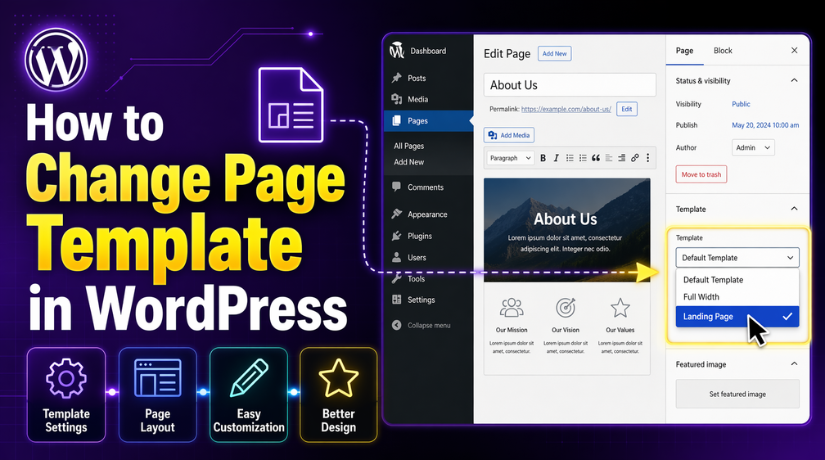
Many modern WordPress themes already include several built-in templates. You can find them when you create or edit a page inside the WordPress dashboard. Under the “Template” option in the page settings, you can select different layouts available in your theme.
You can make your own design if your theme doesn’t offer it. A custom page template allows you to add specific sections, colors, or elements that fit your content goals.
Common uses of page templates include:
- Landing pages with no header or sidebar.
- Contact pages with maps or forms.
- Portfolio or service pages with grid layouts.
Understanding Post Templates in WordPress
Post templates work similarly but are used for blog posts instead of pages. They help you change how each blog article appears on your site. You can use different post templates to highlight specific categories, add author boxes, or feature custom layouts for tutorials or news updates.
Learning how to create a post template in WordPress lets you present content in new ways without changing the whole theme. It maintains continuity with your brand style while keeping your blog aesthetically pleasing and well-organized.
Does WordPress Have Portfolio Templates?
Yes, WordPress offers many options for portfolio templates. For photographers, designers, artists, and agencies looking to present their work in a professional manner, these templates are ideal. A portfolio template helps organize your projects in a clean, visual layout that looks attractive and easy to browse.
Many themes come with built-in WordPress portfolio templates. These layouts include image grids, project galleries, or case study sections. They can be found in third-party developers’ or the WordPress Theme Directory’s free and premium themes.
Some of the best free WordPress portfolio templates are included in popular themes like Astra, OceanWP, GeneratePress, and Neve. These themes make it simple to modify portions using a page builder like Elementor or the block editor.
If you want more control over your design, you can use a portfolio plugin like Visual Portfolio or Portfolio Gallery. These tools let you create interactive project displays without writing code.
Benefits of using a portfolio template:
- Projects in masonry or grid layouts are simple to display.
- Adds professionalism and visual appeal to your website.
- Saves time compared to designing from scratch.
- Responsive designs work on all screen sizes.
Choosing a good portfolio template depends on your goals. If you need simple customization and speed, a free option works well. For complex, client-focused sites, premium templates offer advanced features such as filters, animations, and category sorting.
How to Create a Custom Page Template in WordPress (Step-by-Step)
You have complete control over the appearance and functionality of your page when you create a custom page template in WordPress. It allows you to design layouts beyond what your theme provides. When you want a distinctive landing page, product page, or campaign page, this is extremely useful.
Here’s a simple way to do it:
- Create a New File:
Make a new PHP file in the theme folder. Name it something simple like custom-page.php. - Add a Template Header:
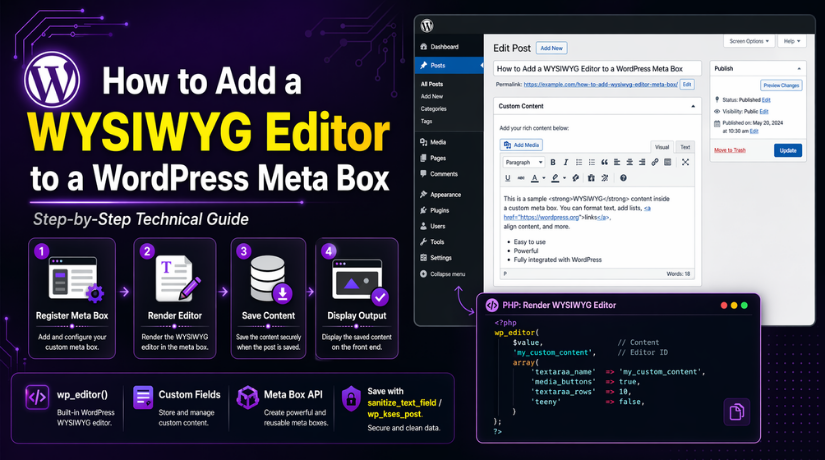
Add this code at the start of the file after opening it:
<?php
/* Template Name: Custom Page */
?>
This tells WordPress that it’s a new template option.
- Add Your Layout Code:
You can copy the structure from page.php and then customize it. Add or remove sections, sidebars, or widgets as needed. - Upload and Assign the Template:
Save and upload your file using the WordPress dashboard or an FTP tool. To choose your new custom template while editing a page, navigate to the “Template” options.
This process also applies when building a custom WordPress theme template for advanced designs. If you are using the block editor or Full Site Editing (FSE), you can also create custom templates visually without touching any code.
Creating custom templates allows you to personalize your website’s look, improve performance, and build layouts that align with your business goals. It’s one of the best methods for making your WordPress website genuinely distinctive.
Managing, Adding, and Troubleshooting Templates in WordPress
Managing templates is one of the most important skills in WordPress. Once you understand how templates work, the next step is learning how to control, edit, and fix them when needed. This section will guide you through managing, adding, and troubleshooting templates in a clear and simple way.
Where to Find and Manage Templates in WordPress
You can manage templates directly inside the WordPress dashboard. For users with block-based themes, this is even easier thanks to the Site Editor (also called the Full Site Editor). You can find it under Appearance → Editor.
In the Editor, you will see a list of all your templates. Each template controls how a specific part of your website looks — such as the homepage, single post, or archive pages. Any template can be opened and edited visually by clicking on it.
You can find templates in your theme folder if you’re using a classic theme. Each template file (like page.php, single.php, or home.php) controls a different section of your site. These files can be edited via your dashboard’s Theme File Editor or with a text editor.


The best ways to handle templates:
- Always make a backup of your website before making changes to template files.
- If you wish to make long-term adjustments, use a child theme.
- Keep your templates organized and named clearly.
- Avoid editing core theme files directly.
Managing your templates properly ensures your website runs smoothly and avoids layout errors after updates or theme changes.
How to Add or Duplicate Templates in WordPress
Adding a new template is simple once you understand how templates work. You can create a new one manually or duplicate an existing file to save time.
Here’s how to add a new template:
- Go to your theme folder using File Manager or FTP.
- Copy an existing template file such as page.php.
- Rename it to something descriptive, for example, custom-contact.php.
- Open the file and change the template name at the top:
<?php
/* Template Name: Custom Contact Page */
?>
- After saving it, upload it back to your server.
- In your WordPress dashboard, edit the page you want to assign it to.
- Under “Template” settings, select your new custom file.
If you’re using a block theme, you can also copy templates from the Site Editor. Click the three-dot menu when an existing template is open, then choose Duplicate. Rename and modify the new template according to your layout needs.
Adding new templates is helpful for creating landing pages, category pages, or sales pages that look different from your regular design.
Troubleshooting Common Template Issues
Sometimes, templates don’t appear or behave as expected. One common issue is when the WordPress template editor is not showing. Plugin conflicts, theme settings, or lacking permissions are some of the causes of this.
If your template editor is missing, try these fixes:
- Verify that you are utilizing a block theme, which is necessary for the Site Editor.
- Deactivate all plugins and check if one is causing the issue.
- Update WordPress to the latest version.
- Clear browser cache and reload the page.
- Check user roles — only administrators can edit templates.
Another issue occurs when your custom template doesn’t appear in the “Template” dropdown while editing a page. This usually happens if the file header is missing or incorrect. Ensure your template file starts with:
<?php
/* Template Name: Custom Page */
?>
Other troubleshooting tips include:
- Ensure your template file is saved in the active theme folder.
- Use the correct file format (.php).
- Don’t use special characters or spaces in file names.
- Confirm that your theme supports custom templates.
Managing and troubleshooting templates may sound technical, but it becomes easier with practice. WordPress gives you powerful tools to handle templates without needing deep coding knowledge.
Why Template Management Matters
Proper template management keeps your website flexible and organized. When you know how to add, edit, and fix templates, you can easily adjust your website design without starting over. It helps you maintain consistent branding and ensures every page loads correctly.
If you ever face complex template errors or layout issues, professional help can save time. At WooHelpDesk, expert developers can assist in managing and fixing any WordPress template problem — from missing editors to broken layouts.
Working with Block Templates in WordPress 6+
WordPress has changed the way templates work with new block-based editing. In version 6 and later, users can design and manage templates visually without touching any code. Full Site Editing (FSE) is the name of this feature. With blocks, you can manage any aspect of your website, including headers, footers, and full page layouts.
WordPress block templates are layouts built using the Gutenberg block editor. Instead of PHP files, they use blocks and patterns to create designs. This makes template editing easier for beginners and faster for developers. You can open any template in the Site Editor and modify text, colors, or structure directly on the screen.
Here’s a simple way to understand WordPress block templates explained:
- Each part of your site (header, footer, content area) is a block.
- Blocks can be dragged and dropped to alter the appearance and layout.
- You can store and reuse custom templates on other pages.
Block templates also make it easier to keep your site consistent. If you change a block, such as a footer, that update appears everywhere it’s used. This saves time and ensures your design stays uniform across all pages.
Pro Tips to Optimize Your Template Workflow
Managing templates effectively is just as important as creating them. A few minor actions can avoid layout mistakes and save hours of rework.
Follow these best practices to manage templates in WordPress efficiently:
- Use a child theme: Always alter a child’s theme. It prevents updates from overwriting your custom templates.
- Back up your site: Make a complete backup before making any changes to templates. If something goes wrong, this aids in the restoration of your website.
- Test in staging: Before going live, test new templates in a test environment.
- Keep file names organized: Name your templates clearly, like custom-home.php or landing-page.php.
- Document changes: Write notes about what each template does for future reference.
If you are using block templates, organize them with meaningful names. When you’re handling several layouts in the editor, this makes it simpler to find them.
These small practices keep your design process smooth and reduce confusion when working with different templates.
Conclusion
Templates are the foundation of every WordPress design. Whether you use traditional PHP templates or modern block templates, they give you control over how your website looks and performs. With the latest updates, WordPress has made template creation and management simpler and more visual than ever.
You can keep your website adaptable and simple to maintain by adhering to best practices and maintaining organization. If you ever face issues or need help designing advanced layouts, the team at WooHelpDesk can assist you with expert WordPress support and template customization.
In summary, understanding, creating, and managing templates in WordPress allows you to build professional websites faster and more confidently — without depending entirely on developers. Templates truly are the building blocks of a great website.