How to Calculate Shipping by Weight in WooCommerce (Step-by-Step Guide)
Table of Contents
-
- Introduction
- What Is Weight-Based Shipping in WooCommerce?
- Why Calculate Shipping by Weight in WooCommerce?
- What You Need Before Setting Up WooCommerce Shipping by Weight on Your Store
- How to Calculate Shipping by Weight in WooCommerce (Step by Step Guide)
- How to Test Your WooCommerce Shipping by Weight Setup Before Going Live
- Common Problems When Calculating Shipping by Weight in WooCommerce and How to Fix Them
- Conclusion
- Frequently Asked Questions
Introduction
Shipping costs can change your store profit very quickly. Many store owners lose money when shipping charges stay too low. Some charge too much and push buyers away. That is why WooCommerce shipping by weight is useful for many online stores. It helps you charge shipping based on the actual order weight.
This method is better for stores that sell light and heavy products together. It also works well for stores with different product sizes and pack counts. When you calculate shipping by weight WooCommerce store owners get better control over delivery costs.
It creates a fairer checkout for both the seller and buyer. Instead of using one fixed amount for every order, you can set charges based on total cart weight. This makes your shipping setup more accurate and easier to manage. Many store owners use WooCommerce shipping cost by weight to avoid losses and keep pricing clear. It is a smart setup for stores that want simple but better shipping logic.
What Is Weight-Based Shipping in WooCommerce?
Weight-based shipping means the shipping cost depends on product weight. If the cart weight is low, the shipping fee stays low. If the cart weight increases, the shipping fee also increases. This is the basic idea behind WooCommerce weight based shipping. It helps you match shipping cost with the actual package load.
This method is very helpful when courier cost depends on parcel weight. It is also useful when you sell items with very different sizes. For example, a small cable and a metal tool should not ship at the same price. Weight-based rules solve that problem in a simple way.
Many store owners use a weight based shipping WooCommerce plugin to build these rules easily. These plugins let you create weight ranges and set charges for each range. That gives you more control over checkout pricing. It also helps customers understand why one order costs more to ship than another. A clean and clear shipping method improves trust during checkout.
Why Calculate Shipping by Weight in WooCommerce?
It Helps You Charge a More Accurate Shipping Cost
One of the main reasons to use WooCommerce shipping by weight is better pricing accuracy. Shipping companies often charge based on parcel weight. If your store uses one flat shipping fee, the amount may not match the real delivery cost. This can create loss on heavy orders or overcharge on small orders. When you calculate shipping by weight WooCommerce settings become more practical. You charge customers based on the actual cart weight. This keeps your pricing more fair and more reliable.
It Works Better for Stores Selling Light and Heavy Products
Many online stores sell products with very different weights. Some items are very light, while others are large and heavy. In that case, one shipping rate does not work well. WooCommerce weight based shipping gives you more flexibility. You can set one shipping cost for light products and another for heavier orders. This helps you manage different product types in a better way. It also improves the customer experience at checkout because the shipping fee feels more reasonable.
It Reduces the Risk of Losing Money on Shipping
Shipping mistakes can slowly reduce your profit. If you charge too little for heavy orders, your store pays the extra cost. This becomes a bigger problem when customers buy in bulk. WooCommerce shipping cost by weight helps solve this issue. You can build clear pricing rules for every weight range. That means your shipping fee can grow when the order becomes heavier. This setup protects your store from hidden shipping losses. It also makes your pricing structure easier to manage over time.
It Makes Your Shipping Rules More Flexible
Weight-based shipping gives you better control over your shipping setup. You can create different charges for different weight levels. You can also combine these rules with shipping zones or order conditions. This is why many store owners use a weight based shipping WooCommerce plugin. It helps them create smart and flexible shipping options. With proper WooCommerce shipping rules by weight, you can handle many shipping situations more easily. This is useful for local delivery, national shipping, or bulk product orders.
It Improves Checkout Clarity for Customers
Customers want to understand why shipping costs change. If the fee looks random, they may leave the checkout page. Weight-based pricing makes shipping charges easier to understand. When heavier carts show higher fees, the reason feels clear. This makes WooCommerce shipping by weight a customer-friendly option. It creates more trust during checkout. A clear shipping structure can also reduce complaints and confusion after purchase. That helps your store look more professional and better managed.
What You Need Before Setting Up WooCommerce Shipping by Weight on Your Store
Before you start setting rules, your store setup must be ready. A weak setup can cause wrong shipping fees at checkout. That is why this part is very important. If the base settings are not correct, even a good plugin may not work well. To set up WooCommerce shipping by weight, you need correct product data, ready shipping zones, and a clear shipping plan. These small checks help you avoid errors later. They also make it easier to calculate shipping by weight in WooCommerce store settings in a proper way.
WooCommerce Store with Shipping Enabled Is the First Requirement
You need an active WooCommerce store before doing anything else. Your products, checkout, and shipping settings must already be working. If shipping is disabled, weight rules will not apply correctly. Go to your WooCommerce settings and check the shipping section first. Make sure shipping zones are enabled and your store is allowed to ship products. This is the base of WooCommerce weight based shipping. Without this setup, no shipping method can work in the right way. A ready shipping system gives you a clean place to add weight rules later. It also helps you test the final setup without confusion.
Product Weights Must Be Added Correctly for Every Item
This is one of the most important parts of the setup. If product weights are missing, the shipping cost can be wrong. WooCommerce reads product weight data when it calculates cart totals. If one item has no weight, the full shipping result may fail. Open each product and add the correct value in the product data section. Use the same unit for all items, such as kilograms or pounds. Do not mix units across products. Correct data makes WooCommerce shipping cost by weight more accurate and stable. This also helps when you use a weight based shipping WooCommerce plugin to create custom rules.
Shipping Zones Should Be Ready Before You Add Weight Rules
Shipping zones tell WooCommerce where you want to ship. They connect your shipping methods with countries, states, or local areas. This step matters because shipping cost often changes by destination. Before you build weight rules, check that your zones are already created. You may need one zone for local shipping and another for national delivery. Some stores also create different zones for international orders. This setup supports better WooCommerce shipping rules by weight. It also stops the wrong method from showing at checkout. Clear shipping zones make the full shipping process easier to manage.
Should Have a Clear Shipping Plan Before Final Setup
Do not create shipping rules without a plan. First decide how you want to charge customers. Think about your product types, parcel size, and average order weight. Decide whether you want simple rules or advanced pricing. For example, you may charge one rate for 0 to 1 kg and another for 1 to 3 kg. You may also want extra fees for packing or remote areas. This planning makes WooCommerce shipping by weight easier to manage later. A clear plan also helps you choose the right plugin and avoid rule conflicts. Good planning saves time and reduces checkout problems.
How to Calculate Shipping by Weight in WooCommerce (Step by Step Guide)
Step 1: Make Sure Shipping Is Enabled in WooCommerce
- First, check that shipping is active in your WooCommerce store.
- Go to WooCommerce > Settings > General and confirm your store address is correct.
- Then open WooCommerce > Settings > Shipping and make sure shipping features are working.
- This is the base of WooCommerce shipping by weight.
- If shipping is not enabled, weight rules will not work at checkout.
- This small check saves setup time later.
Step 2: Add Weight for Every Product
- Now open your products one by one and enter their weight.
- Go to Products > Edit Product > Product Data > Shipping.
- You will see the weight field there.
- Add the correct value for each item.
- This step is very important because WooCommerce reads this data before it calculates the shipping cost.
- If weight is missing, WooCommerce shipping cost by weight may show the wrong value or fail completely.
Step 3: Set the Correct Weight Unit in Store Settings
- Next, check the weight unit used in your store.
- Go to WooCommerce > Settings > Products > General. Here you can choose kilograms, grams, pounds, or ounces.
- Use one unit for the full store. Do not mix different units in product data.
- This keeps WooCommerce weight based shipping accurate.
- Correct units also help avoid confusion when you create shipping ranges later.
Step 4: Create or Review Your Shipping Zones
- Now go to WooCommerce > Settings > Shipping > Shipping Zones.
- Create zones for the places where you ship.
- For example, you can set one zone for India, one for local delivery, and one for international orders.
- Shipping zones decide where your methods appear.
- This is important because your WooCommerce shipping rules by weight may be different for each area.
- Clear zones make the full setup easier to manage.
Step 5: Install a Weight-Based Shipping Plugin
- WooCommerce does not fully support advanced weight rules by default.
- That is why most stores use a weight based shipping WooCommerce plugin.
- Go to Plugins > Add New and search for a plugin that supports weight-based rates. Install and activate the plugin.
- Choose one that allows weight ranges, zone support, and flexible pricing.
- This plugin will help you calculate shipping by weight WooCommerce store settings more easily.
Step 6: Open the Plugin Shipping Method Settings
- After activating the plugin, return to your shipping zone settings.
- Open the zone where you want to apply the method.
- Click Add Shipping Method and select the weight-based option added by your plugin.
- Then open its settings page.
- This is where you will create your shipping charges by weight.
- Most plugins let you add multiple rules in the same method.
Step 7: Create Weight Ranges for Shipping Charges
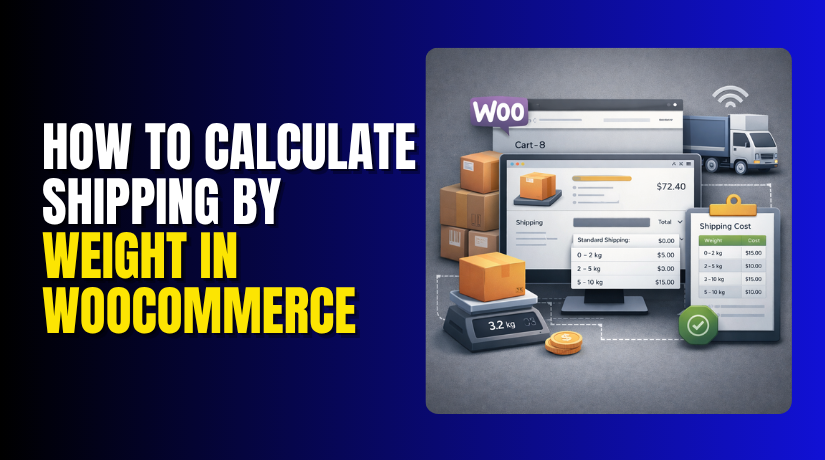
Now add your shipping rules based on order weight. For example, you can set:


- 0 to 1 kg = $5
- 1 to 3 kg = $10
- 3 to 5 kg = $15
These rules tell WooCommerce what to charge at checkout. This is the core step in WooCommerce shipping by weight. You can create as many ranges as needed. Try to keep the setup simple and easy to follow.
Step 8: Add Extra Fees If Your Store Needs Them
- Some stores also add handling or packing charges.
- If your plugin supports it, you can include fixed fees with your weight rules.
- This is useful for fragile items, special packaging, or remote locations.
- It helps you keep WooCommerce shipping cost by weight more realistic.
- Add only needed charges so customers do not feel overcharged.
Step 9: Save the Shipping Rules Carefully
- After creating the rules, save the shipping method settings.
- Then review all numbers once again.
- Check the weight ranges, shipping costs, and zone selection.
- Small mistakes here can affect checkout.
- Saving the rules properly makes your WooCommerce weight based shipping method active and ready for testing.
Step 10: Test the Shipping Cost on the Frontend
- Now test everything from the customer side.
- Add products to the cart and change quantities.
- Try light items, heavy items, and mixed carts.
- Check whether the shipping price changes correctly.
- This step confirms that your WooCommerce shipping rules by weight are working.
- If the cost looks wrong, go back and review product weights, shipping zones, and plugin rules.
Step 11: Fix Problems and Adjust the Rules
- If shipping does not show correctly, do not worry.
- First check if all products have weight added.
- Then review the zone and the rule ranges.
- Also confirm that the plugin method is enabled in the right zone.
- Most issues come from missing product data or wrong rule setup. A quick review usually solves the problem.
Step 12: Keep Reviewing the Setup Over Time
- Shipping costs can change as your store grows.
- Product range, packing cost, and delivery rates may all change later.
- Review your rules from time to time.
- This keeps calculate shipping by weight WooCommerce settings useful and accurate.
- A well-managed shipping setup helps your store stay professional and profitable.
How to Test Your WooCommerce Shipping by Weight Setup Before Going Live
Testing is the final step before using the method on your live store. Even if your rules look correct, you should still test them carefully. This helps you catch missing weights, wrong ranges, or zone issues. Testing is a key part of any WooCommerce shipping by weight setup because small mistakes can change checkout results.
Add Different Products to the Cart and Check the Shipping Cost
Open your storefront and add a few products to the cart. Start with one light item, then try one heavy item. After that, test mixed carts with different quantities. Watch how the shipping fee changes. This will show whether your WooCommerce shipping cost by weight rules are working properly. A correct test gives you confidence before customers start using the method.
Test Different Shipping Zones and Order Sizes
Do not test only one location. Try different delivery addresses based on your shipping zones. Also test small orders, large orders, and multiple item combinations. This helps confirm that your WooCommerce shipping rules by weight work across the full store. If one zone fails, the customer may not see any shipping method at checkout. Zone testing is just as important as weight testing.
Check the Rule Logic Again If the Shipping Cost Looks Wrong
If the shipping cost is missing or incorrect, review the full setup. First check product weight. Then review the plugin rules and shipping zone. Make sure the correct method is enabled in the correct place. Also confirm that rule ranges do not overlap. These small checks solve most setup issues. Careful testing makes WooCommerce weight based shipping much more reliable.
Save the Final Setup Only After Proper Testing
Once all tests work well, save the final settings and keep a record of your rules. This helps you later if you need to update the method. Shipping costs may change with time, so keeping clear notes is useful. A tested and well-planned calculated shipping by weight WooCommerce setup helps your store stay accurate, professional, and easy to manage.
Common Problems When Calculating Shipping by Weight in WooCommerce and How to Fix Them
Even a good setup can face some problems. Shipping by weight depends on correct product data, right zones, and clean rule settings. If one part is wrong, the shipping method may not work properly. That is why store owners should know the common issues in advance. Understanding these problems can help you fix them faster.
Missing Product Weights Can Break the Full Shipping Setup
This is one of the most common problems in WooCommerce shipping by weight. If a product has no weight, the cart total may become incorrect. As a result, the shipping method may show the wrong amount or not appear at all. This problem is common when new products are added quickly. To fix it, open your product list and check the shipping tab for each item. Make sure every shippable product has a correct weight value. This simple review solves many shipping issues.
Wrong Weight Unit Selection Can Cause Incorrect Charges
Sometimes the product weight is added, but the store unit is wrong. For example, you may enter a value thinking it is in grams, but the store reads it as kilograms. This can make WooCommerce shipping cost by weight completely wrong. A light order may look heavy, or a heavy order may look too light. To fix this, check your global product unit settings first. Then review some sample product weights. Matching the right unit with the right values keeps shipping accurate.
Shipping Zone Mismatch Can Stop the Method from Showing
A plugin may be working correctly, but the shipping method still may not appear. In many cases, the real problem is the shipping zone. If the customer address does not match the zone, the shipping method will not load. This issue affects many WooCommerce shipping rules by weight setups. To handle it, review your shipping zones carefully. Check the country, state, region, or postcode settings. Also review the zone order because WooCommerce checks zones from top to bottom.
Plugin Rule Conflicts Can Show the Wrong Shipping Cost
Sometimes two rules overlap or conflict with each other. For example, one rule may cover 0 to 3 kg, while another starts at 3 kg too. This can confuse the plugin and apply the wrong rate. Some stores also use more than one shipping plugin, which creates extra conflicts. This issue can affect WooCommerce weight based shipping badly. The best fix is to keep rule ranges clean and non-overlapping. Also avoid using too many shipping plugins at the same time unless truly needed.
Incorrect Shipping Cost Display Can Confuse Customers
Sometimes the shipping method shows, but the price looks wrong. It may be too high, too low, or unchanged when cart quantity changes. This usually means there is a problem in rule setup, product weight, or extra fee logic. To fix it, test the cart with different products and quantities. Review each rule one by one. This helps you find where the setup breaks. A clear test process makes calculated shipping by weight WooCommerce problems easier to solve.
Conclusion
Setting up WooCommerce shipping by weight is a smart way to control delivery costs. It helps you charge customers more fairly and keeps your checkout pricing more accurate. This method works well for stores that sell products with different sizes, weights, or order quantities. When product weights, shipping zones, and shipping rules are set correctly, the full process becomes much easier to manage. A good plugin also helps you build flexible rules without making the setup too hard. The most important step is to keep everything simple, test the setup properly, and review it often. This way, your store can avoid shipping mistakes and give customers a better buying experience.
If you are facing problems with WooCommerce weight based shipping, shipping plugins, checkout settings, or shipping rule errors, WooHelpDesk can help. Our team can assist with plugin setup, shipping fixes, checkout issues, and custom WooCommerce support so your store runs smoothly.
Frequently Asked Questions
Does WooCommerce support weight-based shipping by default?
WooCommerce does not have built-in weight-based shipping calculation. You need to use the Table Rate Shipping extension or third-party plugins like WooCommerce Advanced Shipping to create weight-based shipping rules.
How do I set product weights in WooCommerce?
Go to Products → Edit Product → Product Data → Shipping tab. Enter the weight in the Weight field. Make sure your weight unit is set correctly in WooCommerce → Settings → Products → General.
Can I combine weight-based and flat rate shipping?
Yes, WooCommerce shipping zones allow you to offer multiple shipping methods. You can set up weight-based rates alongside flat rate and free shipping options, letting customers choose their preferred method at checkout.
References and Resources