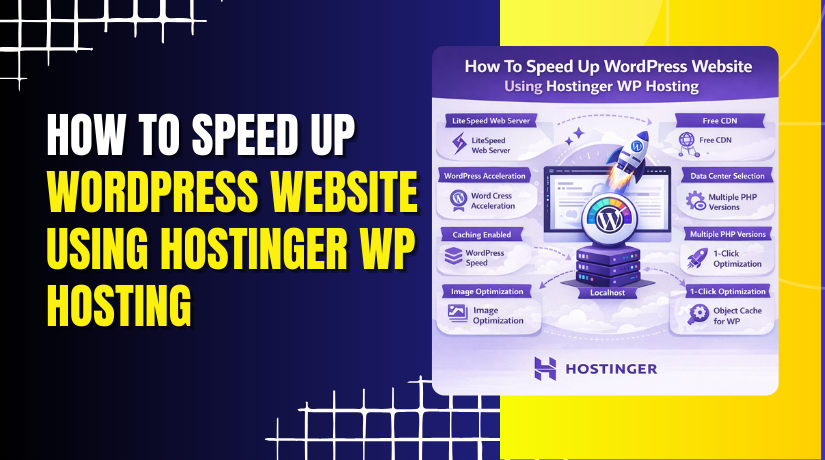
How To Speed Up WordPress Website Using Hostinger WP Hosting
5 mins read

How To Speed Up WordPress Website Using Hostinger WP Hosting

Introduction

Website speed plays a critical role in user experience, search engine rankings, and overall site performance. A slow-loading WordPress website can lead to higher bounce rates, reduced conversions, and lower SEO scores. Before making any optimizations, it’s important to measure your website’s current performance using tools like Google PageSpeed Insights to identify problem areas. In this guide, you’ll learn how to analyze your site speed, install and configure the WP Rocket plugin, and apply key performance optimizations such as CSS delivery optimization, lazy loading, caching, link preloading, and database cleanup. These steps help reduce page load times, improve Core Web Vitals, and deliver a smoother browsing experience. Following this process ensures your WordPress site is optimized effectively while maintaining stability and performance on Hostinger hosting.

1. open speed test page and check your site performance.

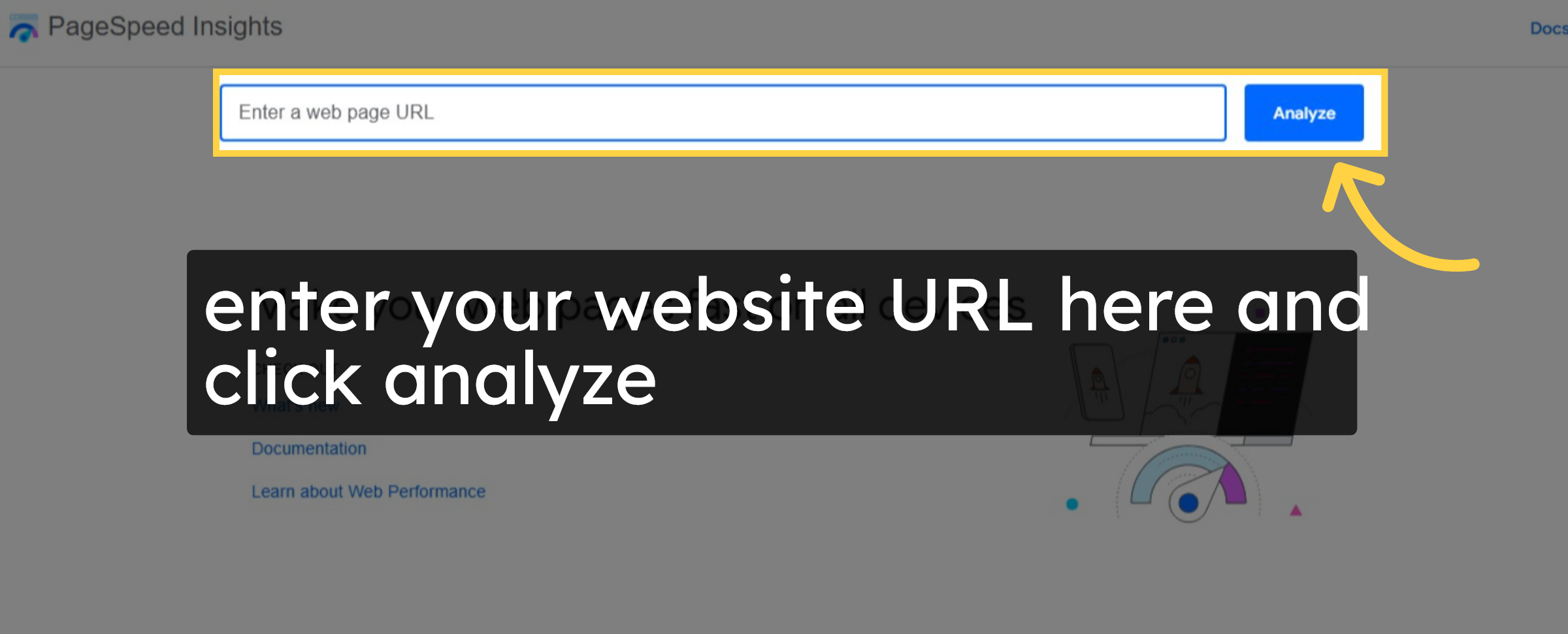
Before fixing, evaluate your site health. goto (https://pagespeed.web.dev/)and paste your website URL and then click analyze

open speed test page and check your site performance.

2. check your website performance

enter your website URL here to analyze website performance.

check your website performance

3. Evaluate Website Speed Before Speeding Up
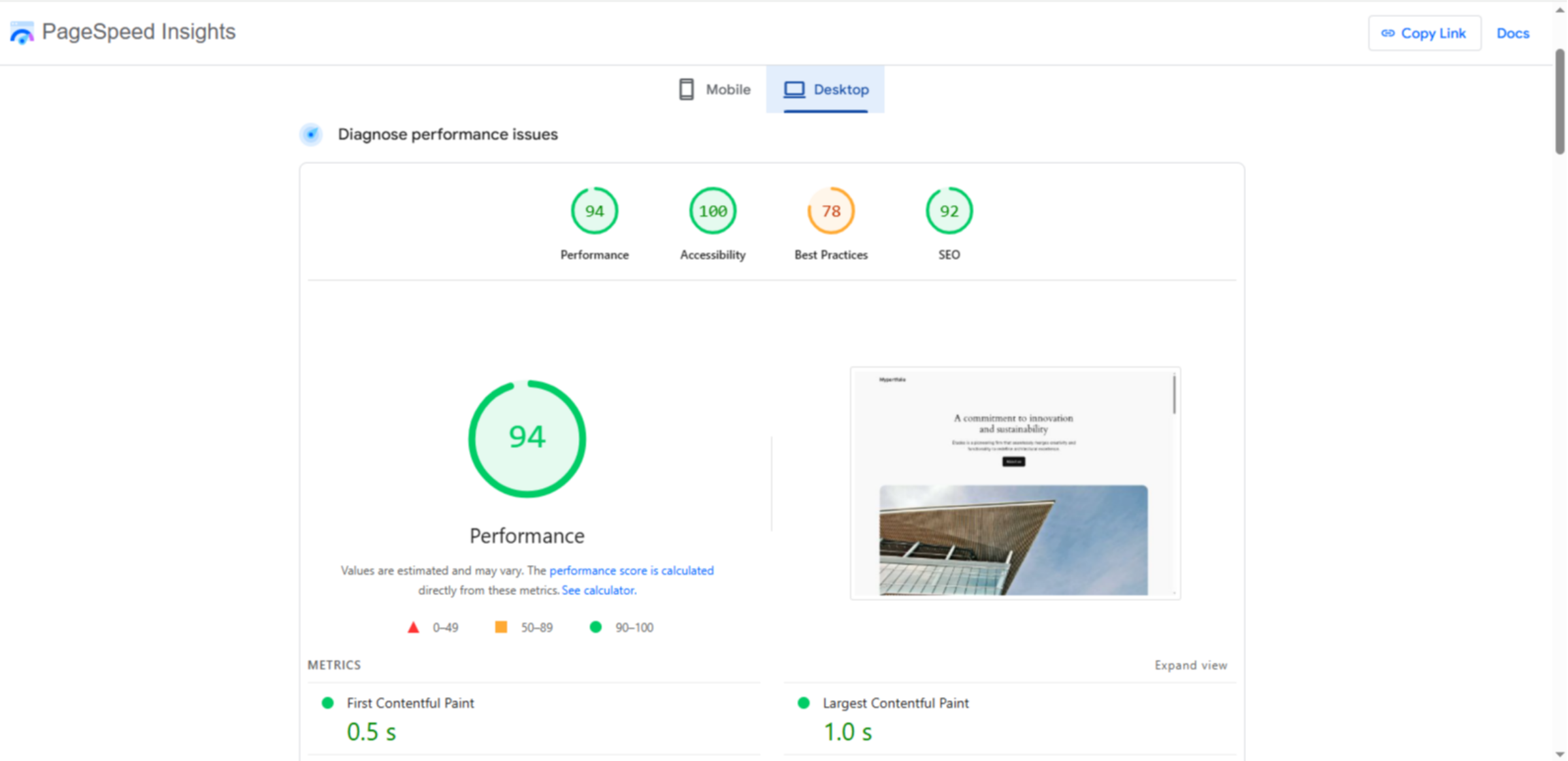
Before starting to speed up our website, it’s important to measure its current website speed to identify areas for improvement.

Evaluate Website Speed Before Speeding Up

4. login to hostinger panel
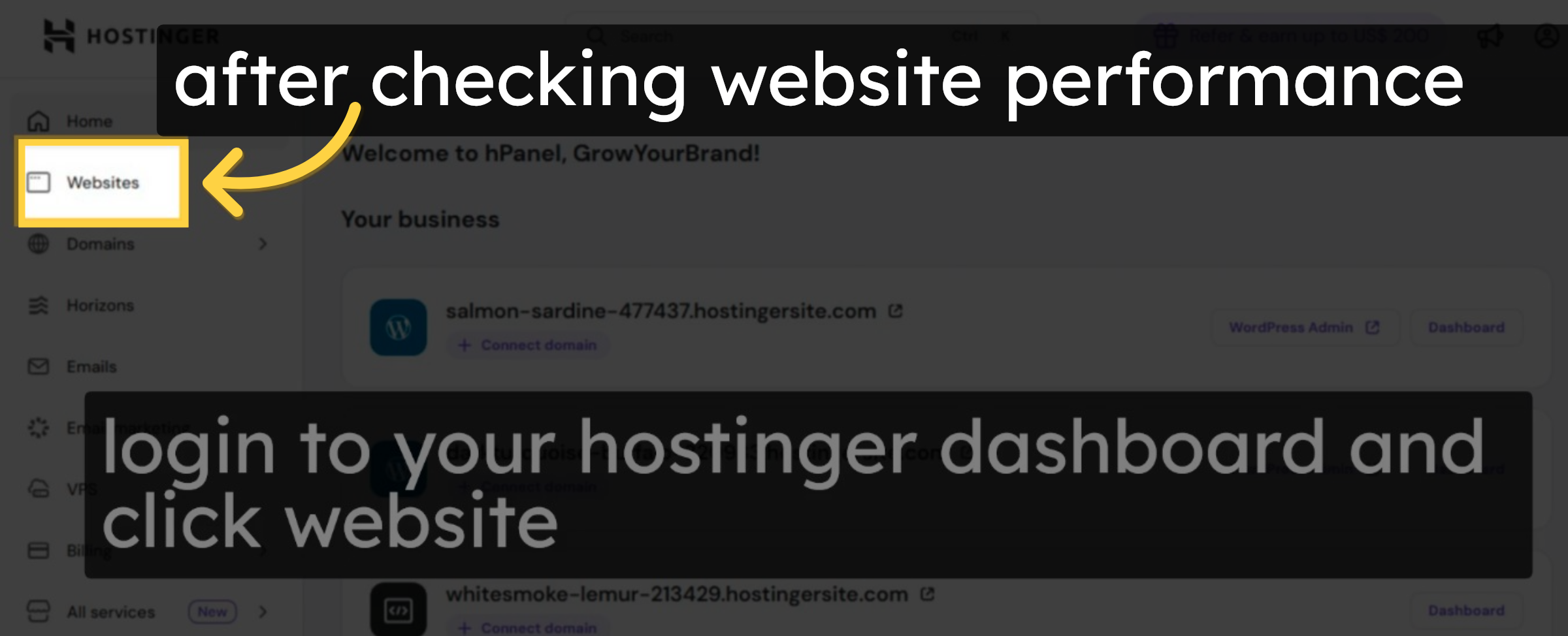
After checking performance login to your hostinger account’s dashboard.

login to hostinger panel

5. choose your website
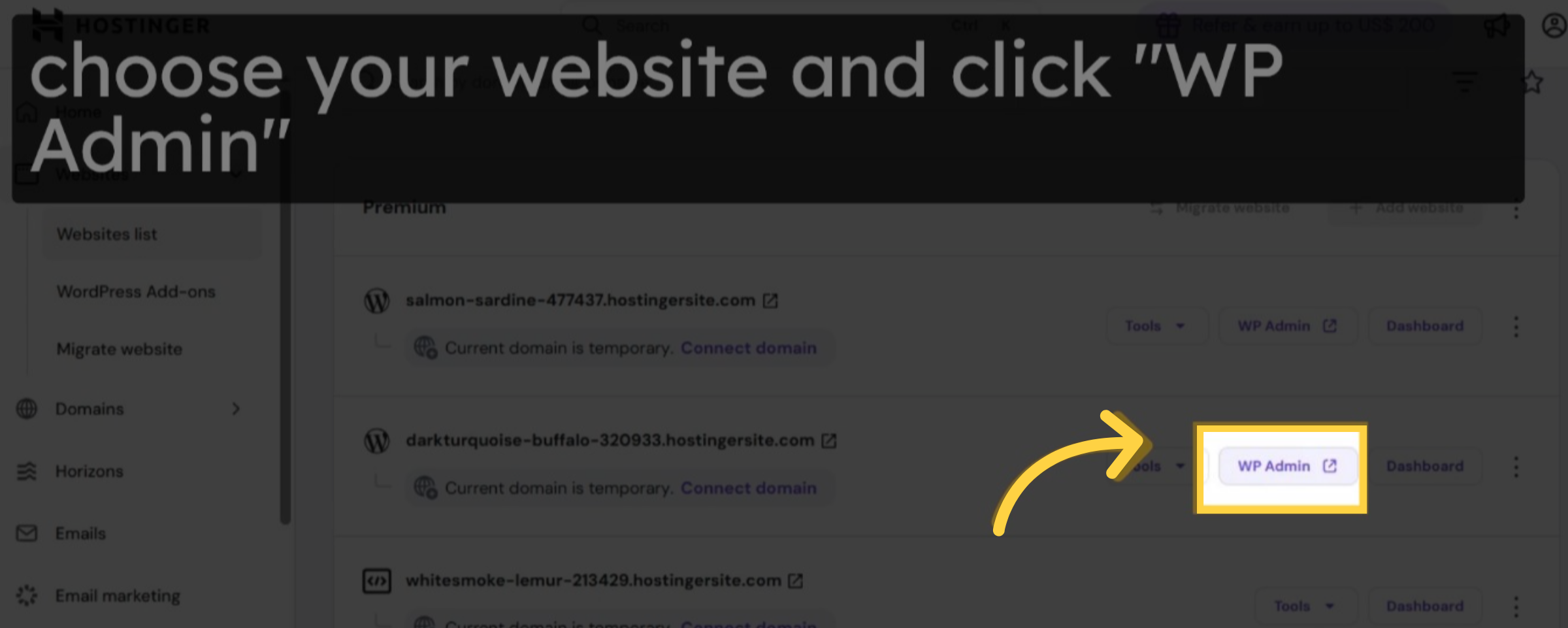
Select your website in which you want to do optimization.

choose your website

6. Open Plugins Section
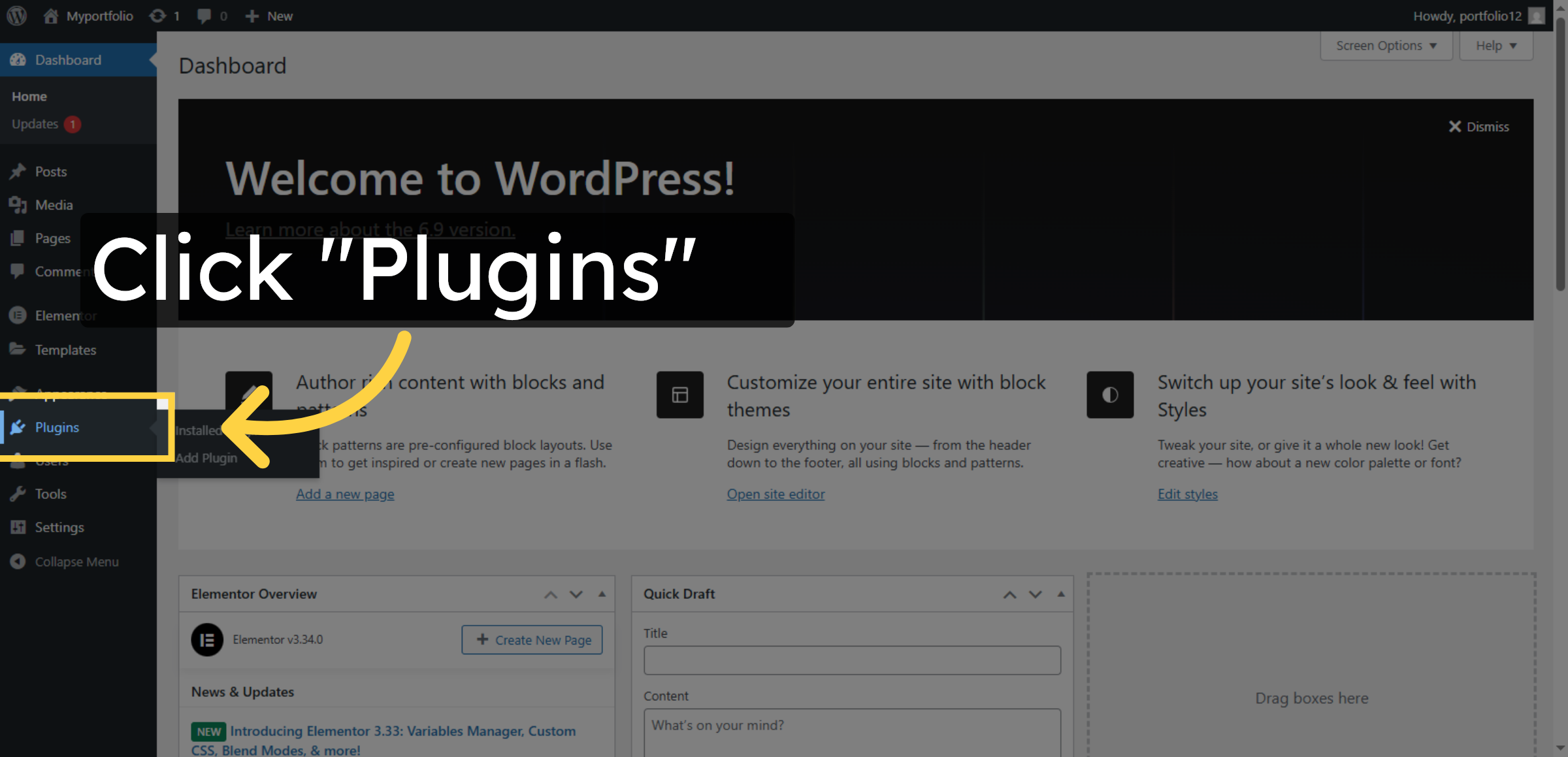
Click Plugins to view the list of installed plugins on your WordPress site.

Open Plugins Section

7. Add New Plugin
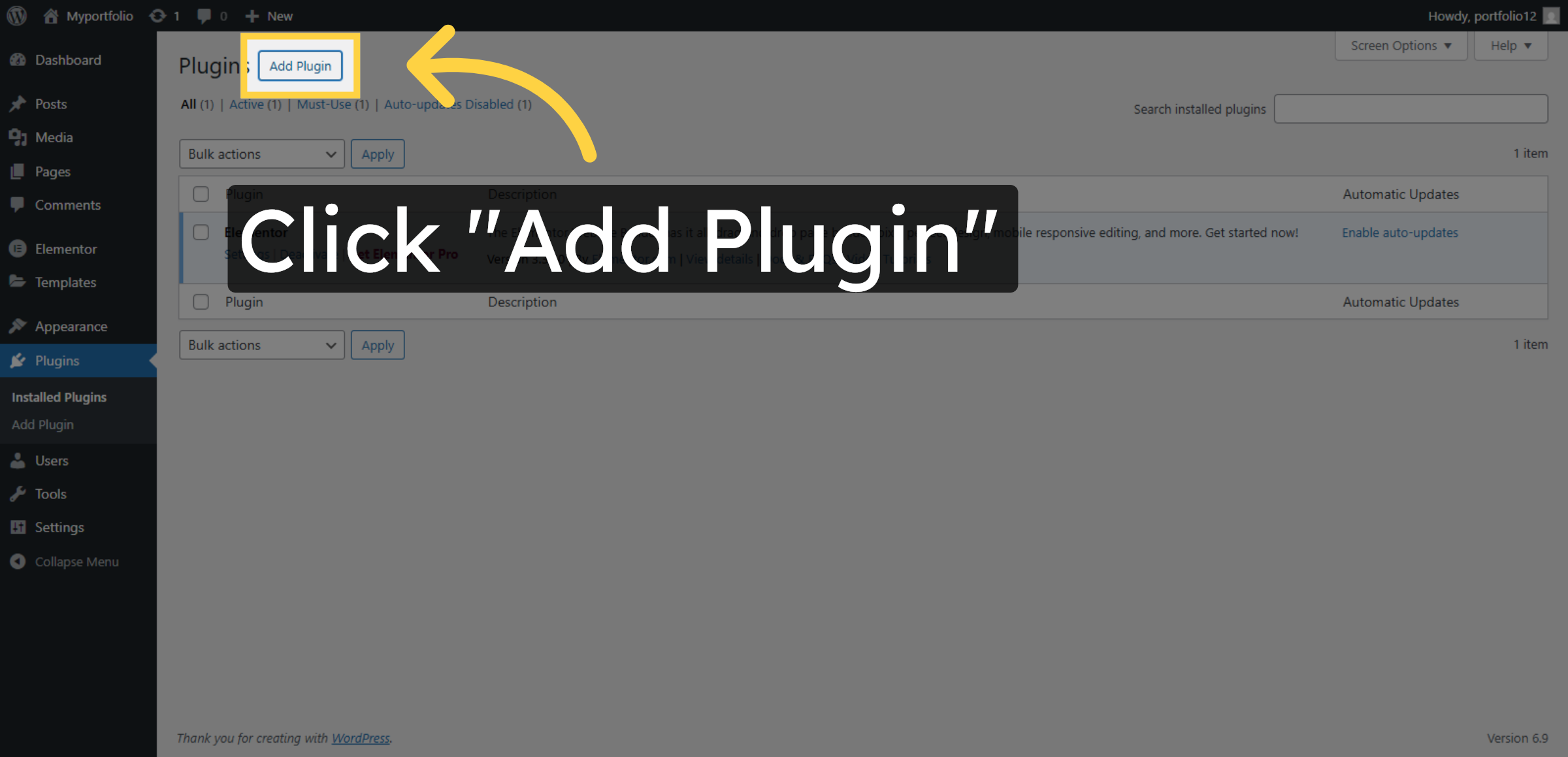
Click Add Plugin to start installing a new plugin for site optimization.

Add New Plugin

8. Select Upload Plugin
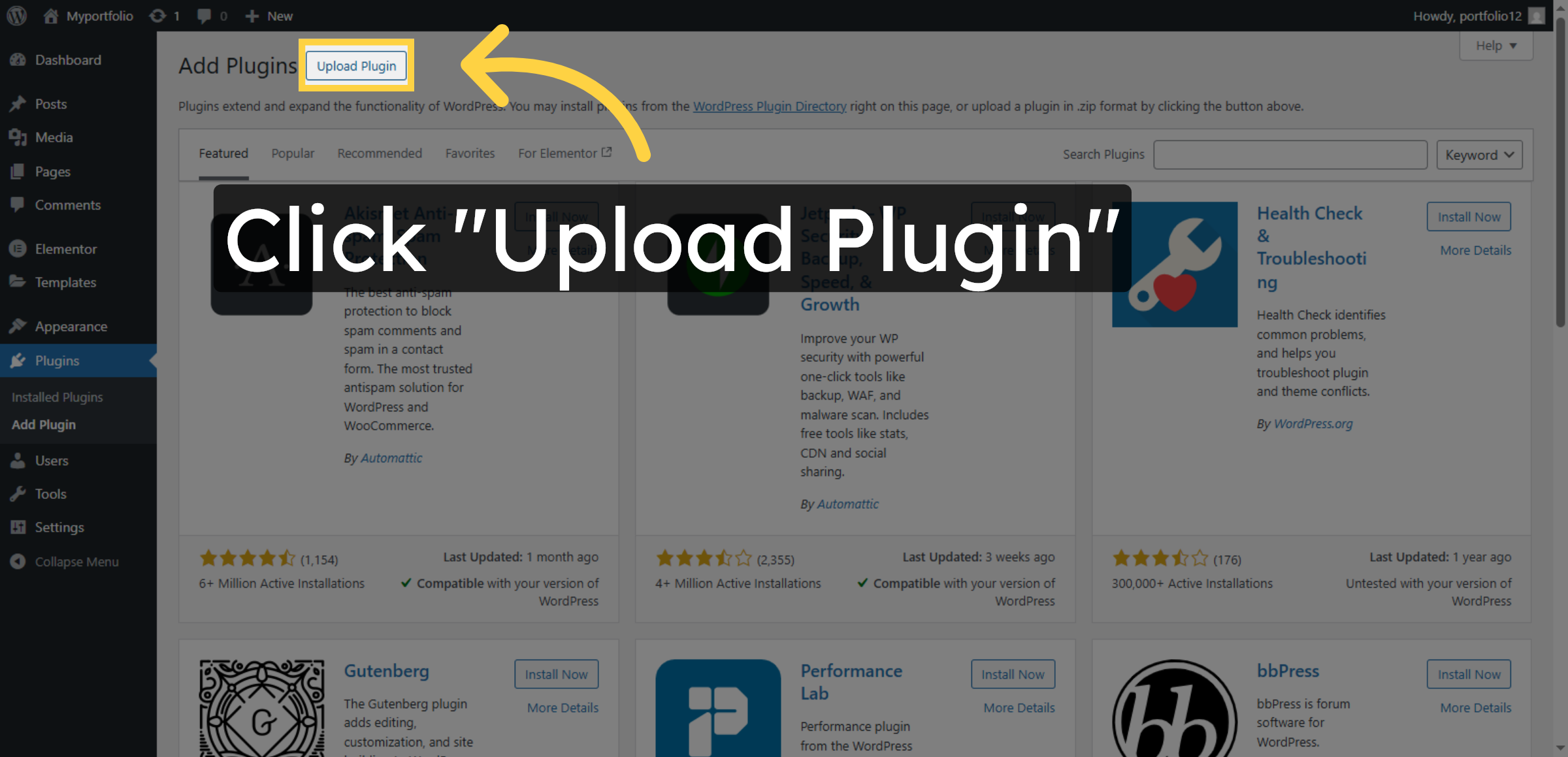
Click Upload Plugin to upload a plugin file from your computer.

Select Upload Plugin

9. Navigate to WP Rocket Site
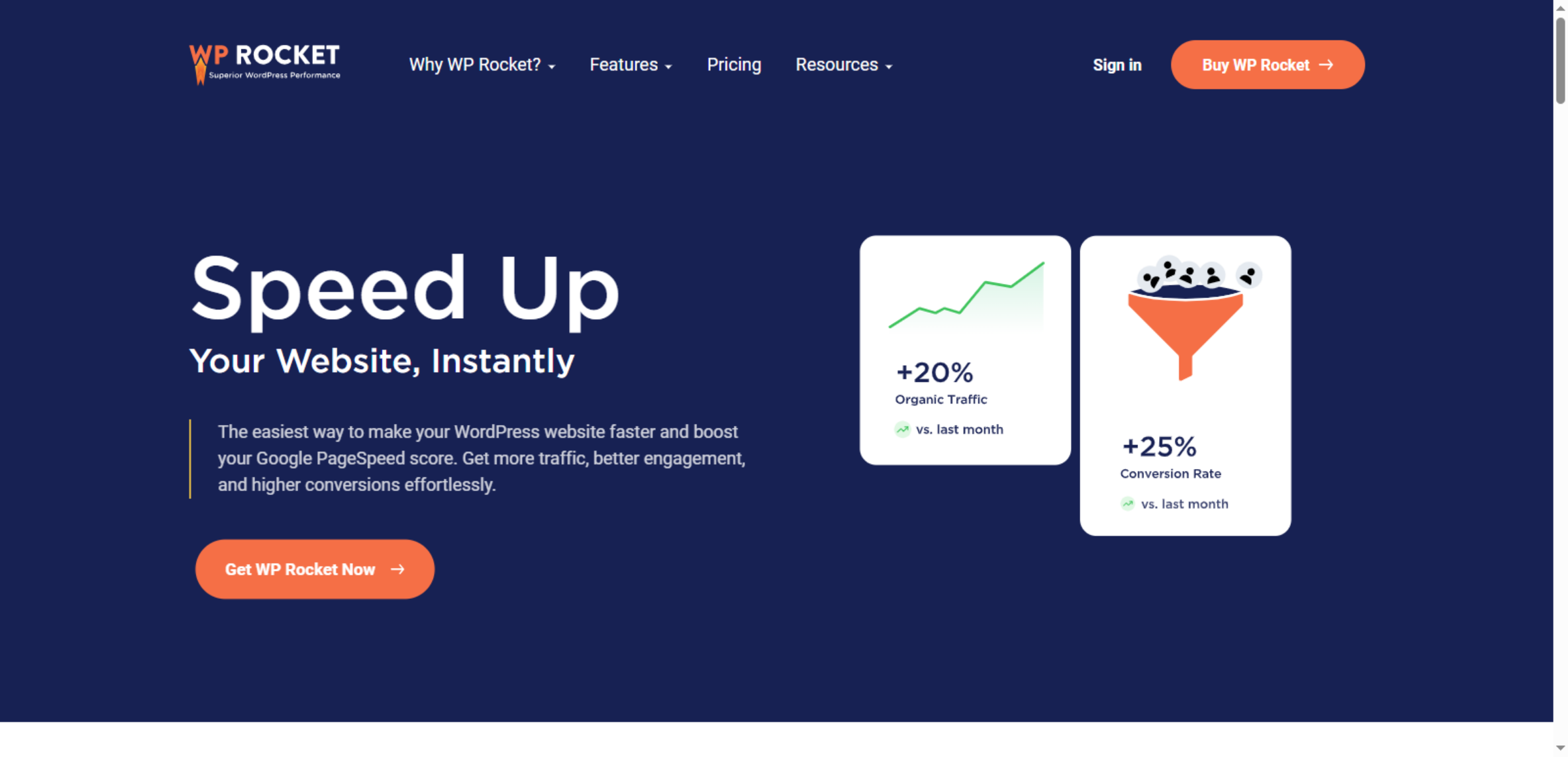
search for “WP Rocket” Plugin on browser and visit the official page of WP Rocket and purchase plugin file.

Navigate to WP Rocket Site

10. Access WP Rocket Purchase
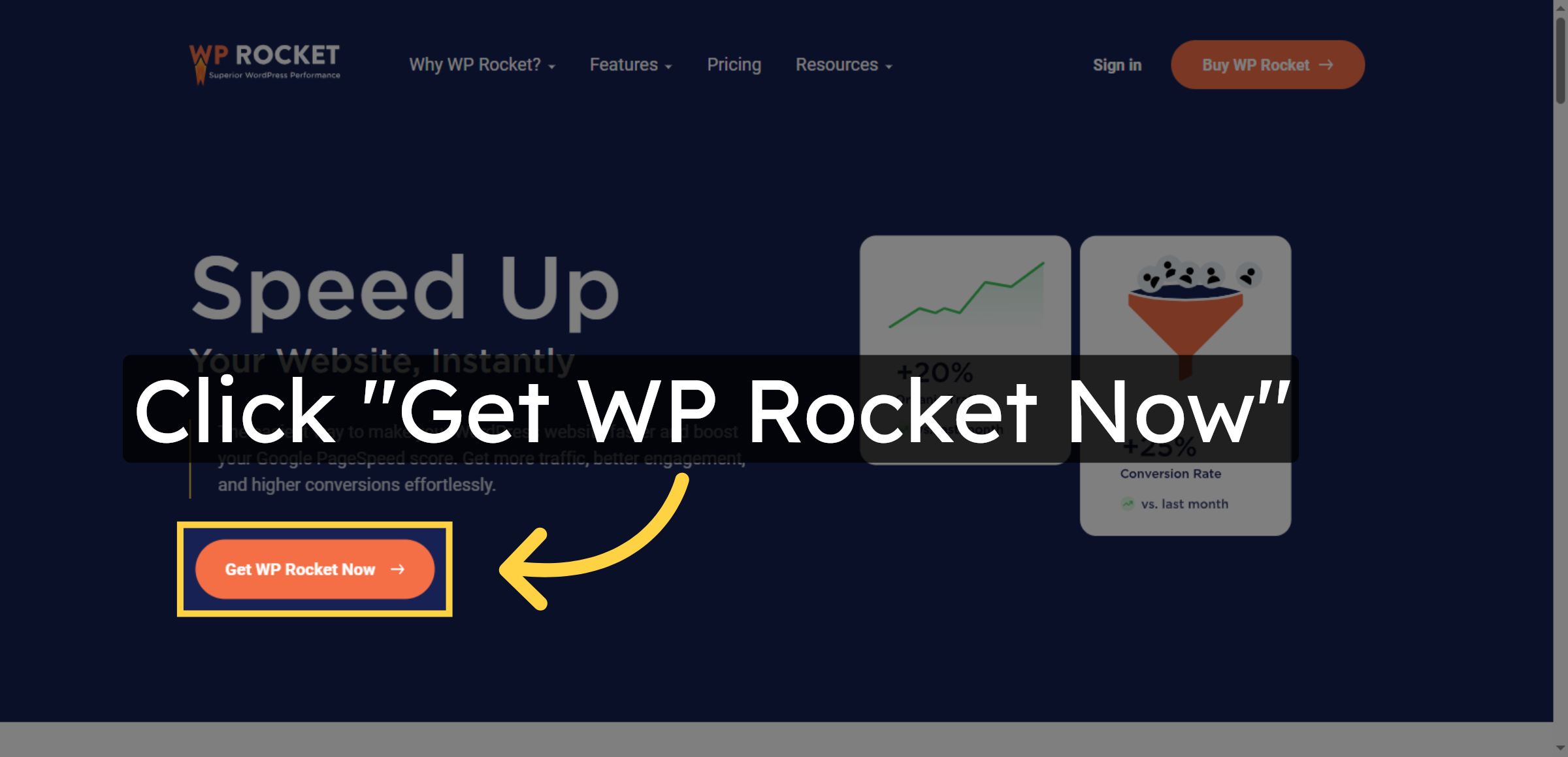
Click Get WP Rocket Now to proceed with obtaining the WP Rocket plugin.

Access WP Rocket Purchase

11. Proceed to Buy WP Rocket

Click Buy WP Rocket to purchase the plugin for optimizing your WordPress site.

Proceed to Buy WP Rocket

12. Choose Plugin Zip File
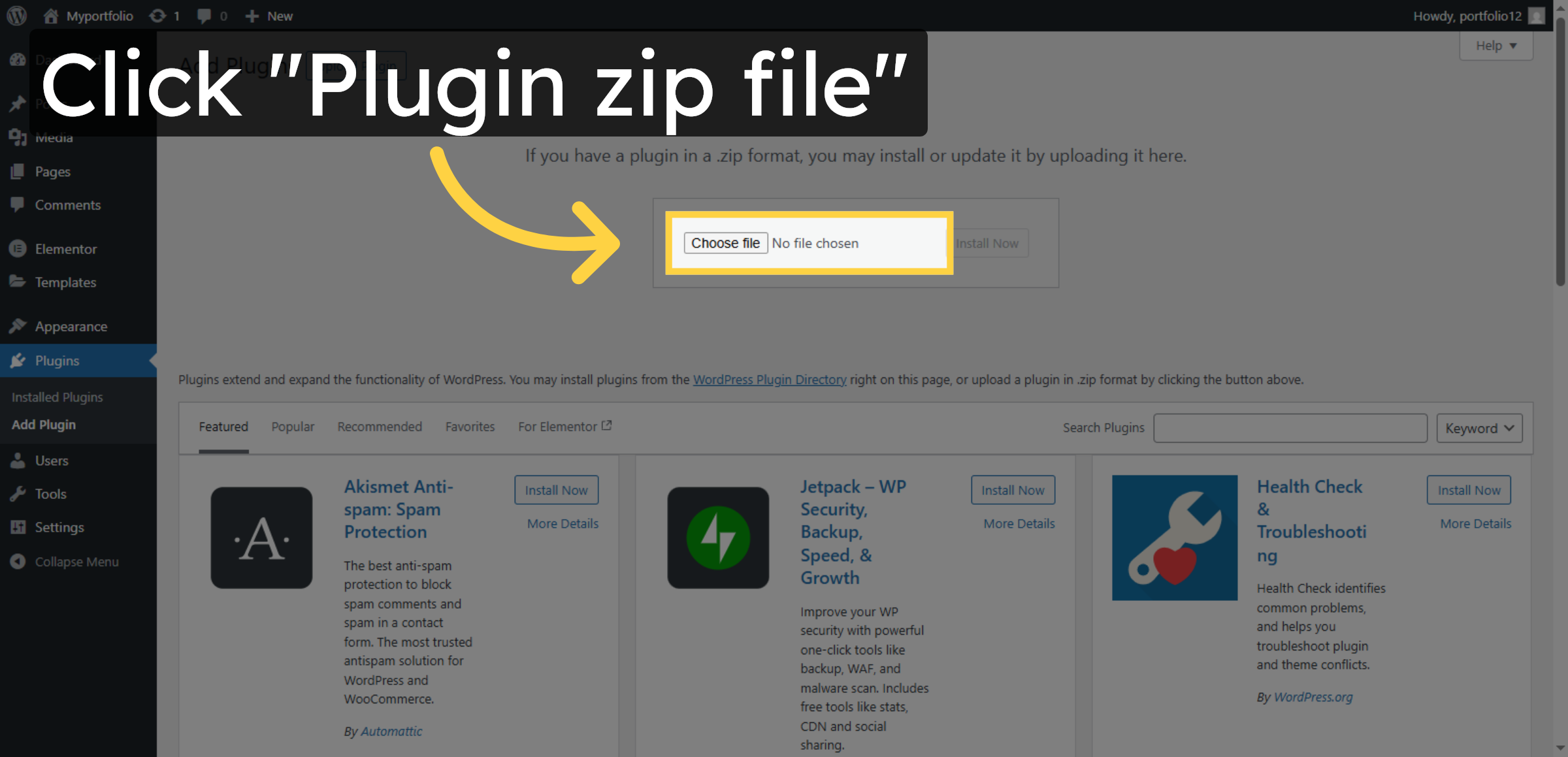
switch back to your website plugin option and select the plugin installation file.

Choose Plugin Zip File

13. Enter Plugin File Path
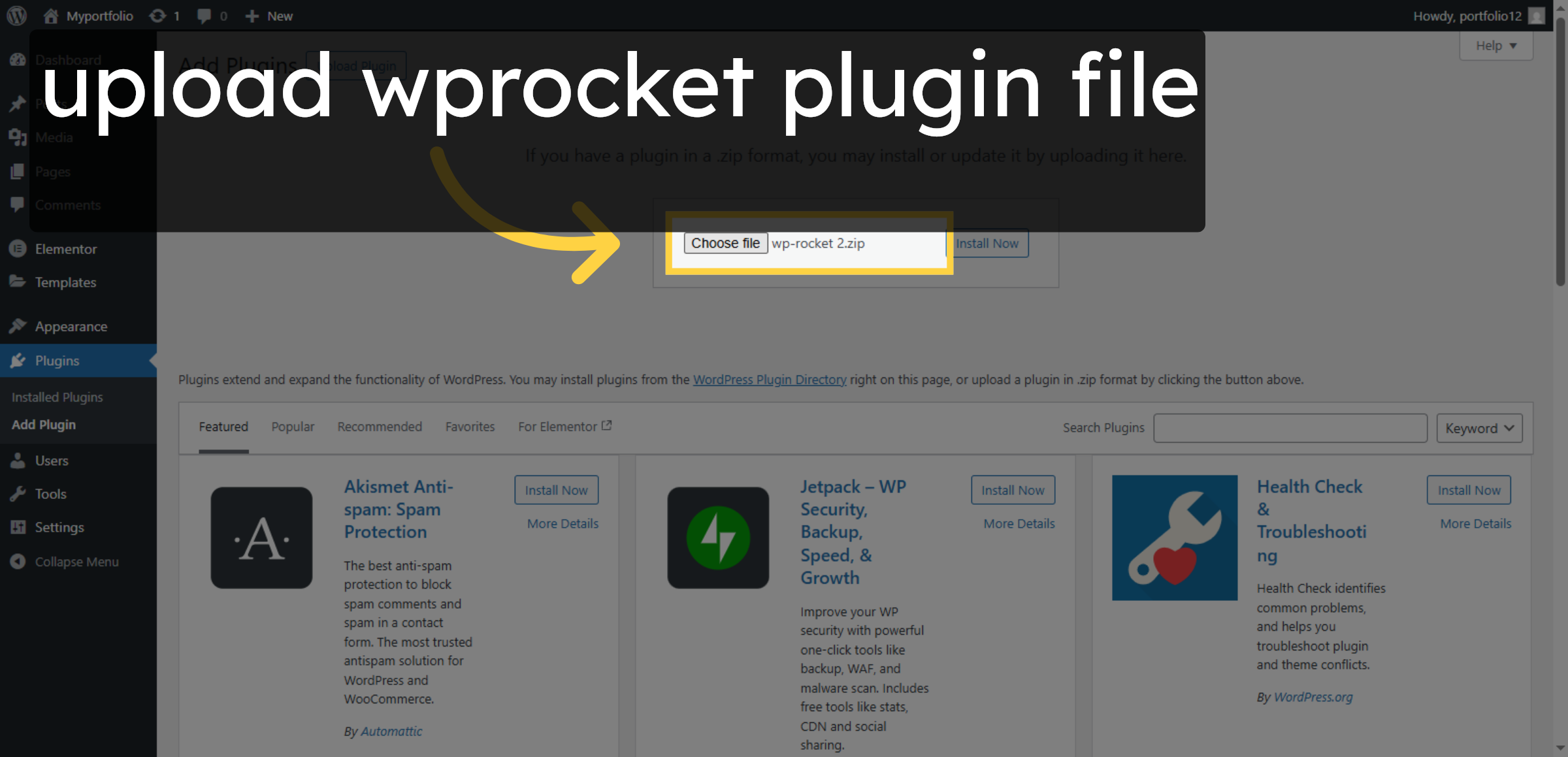
upload the plugin file which you have purchased recently.

Enter Plugin File Path

14. Install Plugin
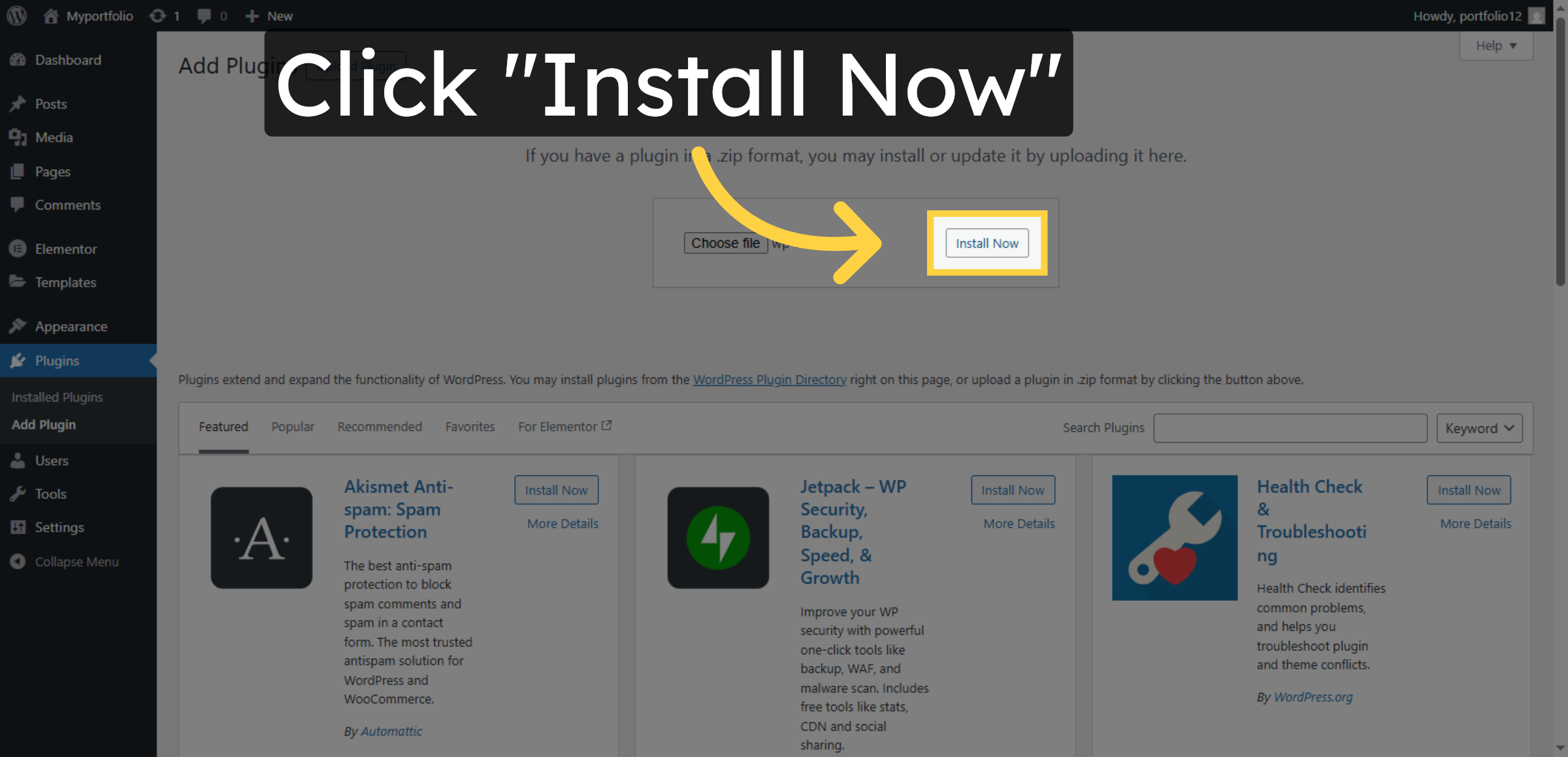
Click Install Now to begin installing the WP Rocket plugin on your WordPress site.

Install Plugin

15. Activate Plugin

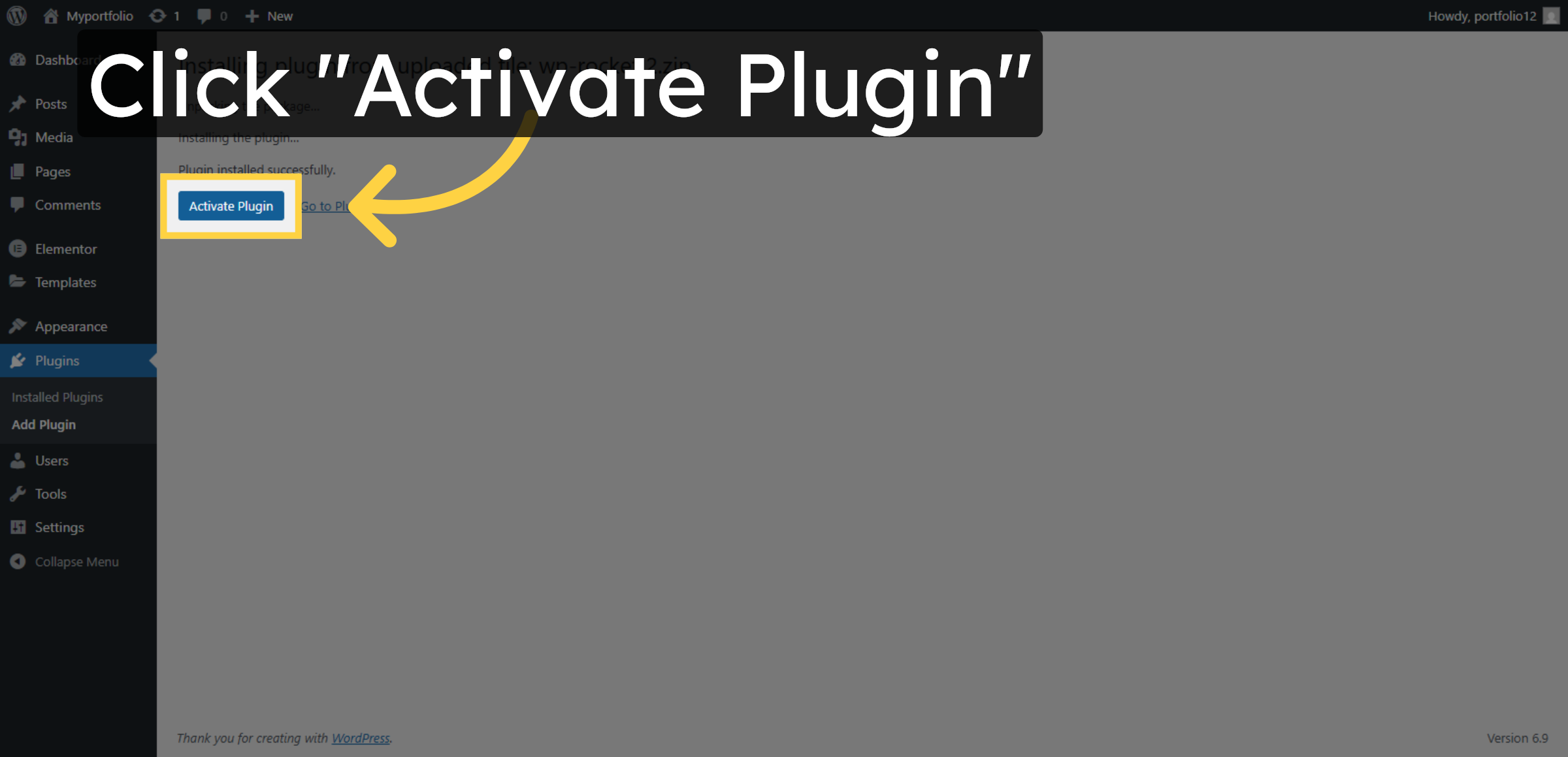
Click Activate Plugin to enable WP Rocket and start using its optimization features.

Activate Plugin

16. Open Plugin Settings
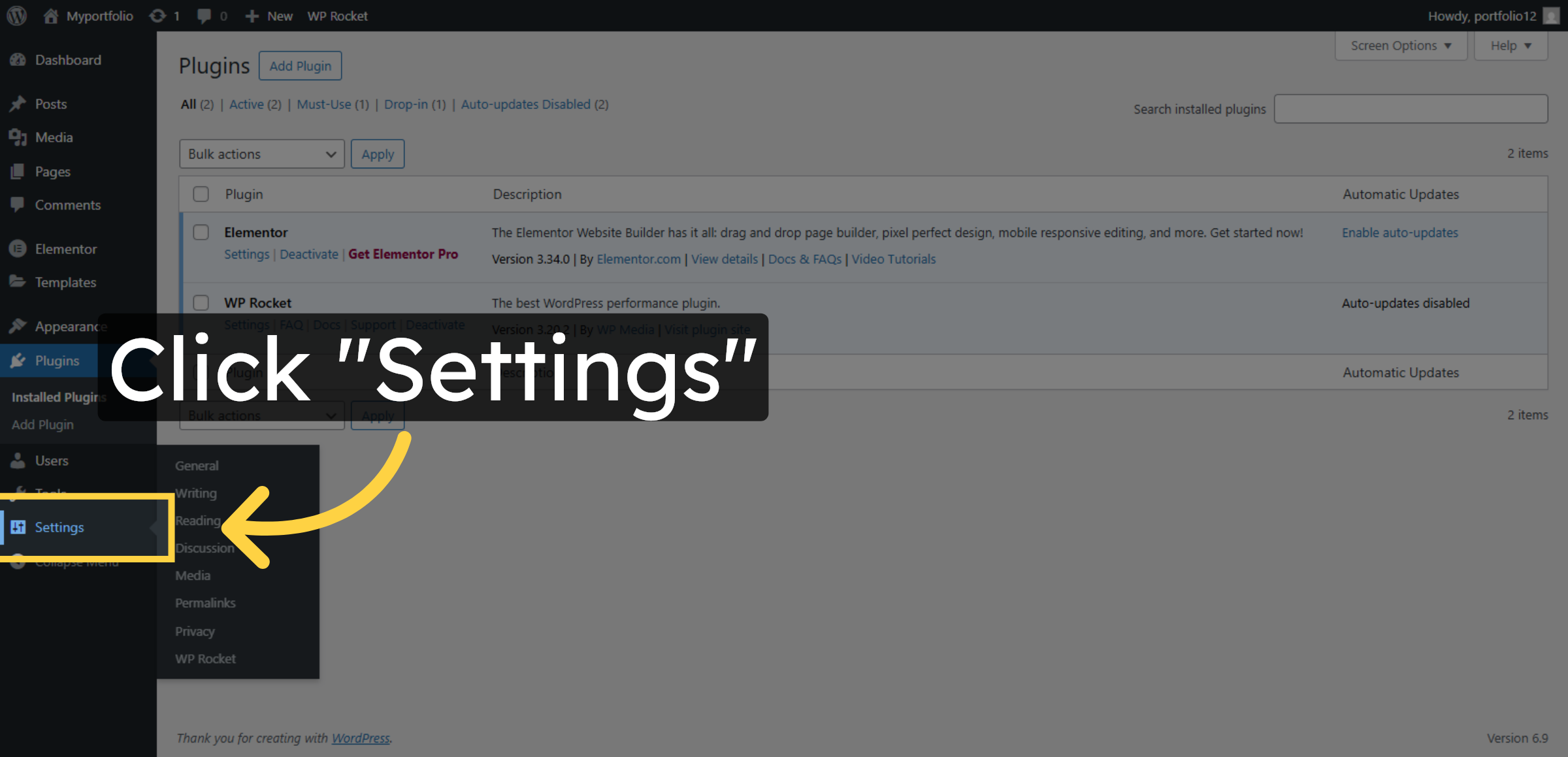
Click Settings to access the configuration options for WP Rocket.

Open Plugin Settings

17. Select WP Rocket Settings
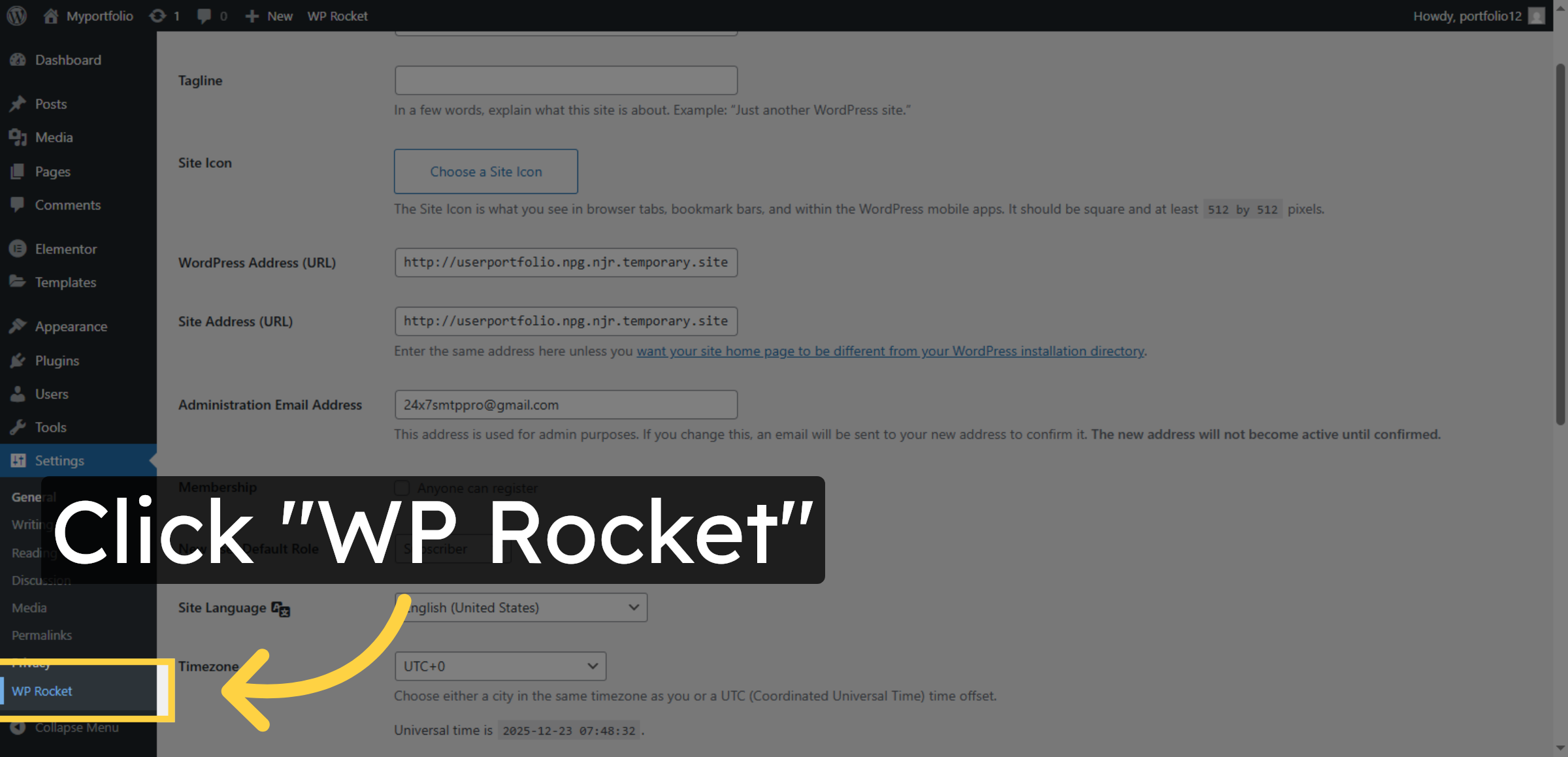
Click WP Rocket to open the plugin’s main settings page.

Select WP Rocket Settings

18. Access File Optimization
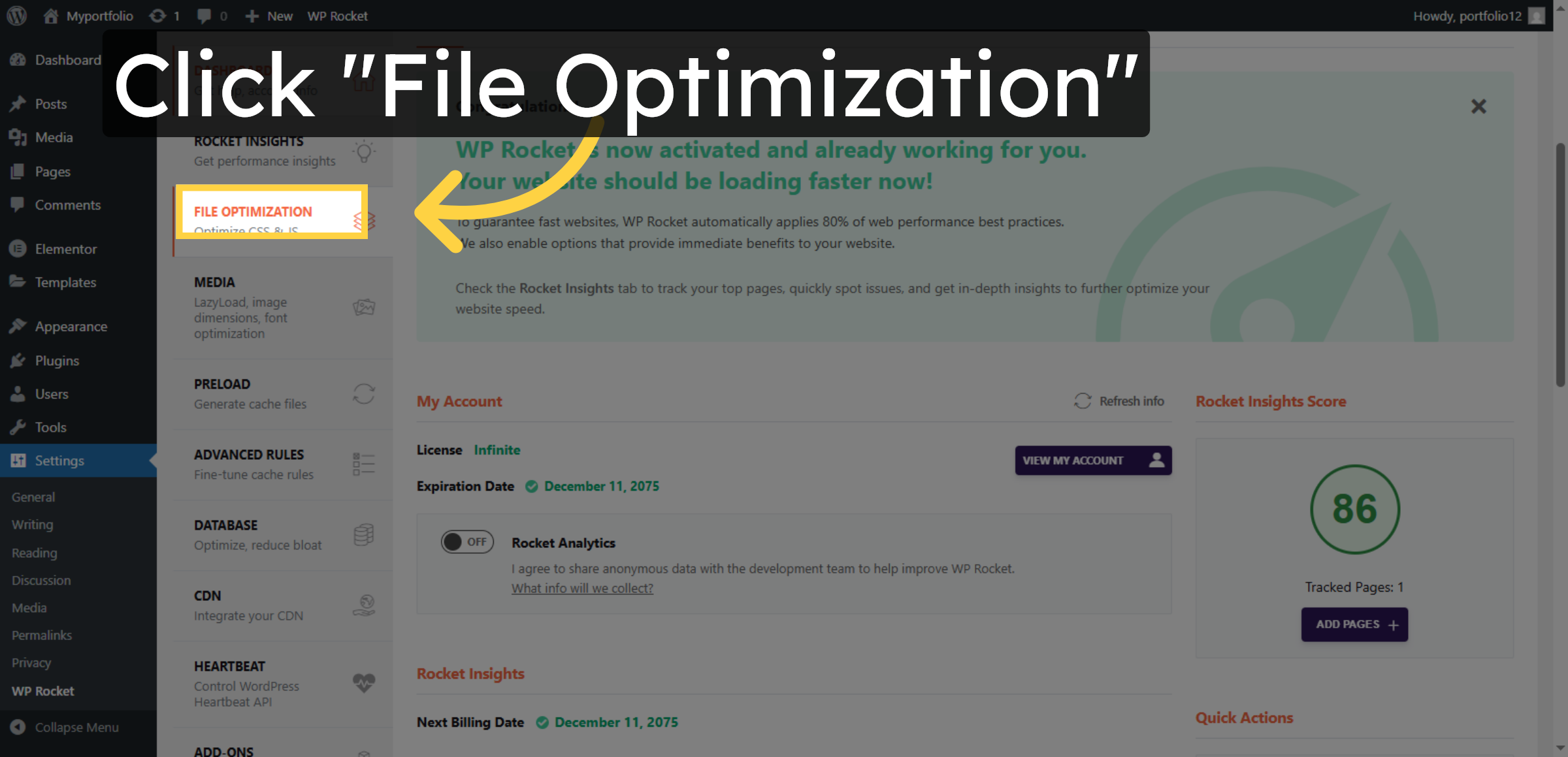
Click File Optimization to configure CSS and JavaScript optimization settings.

Access File Optimization

19. Enable CSS Delivery Optimization
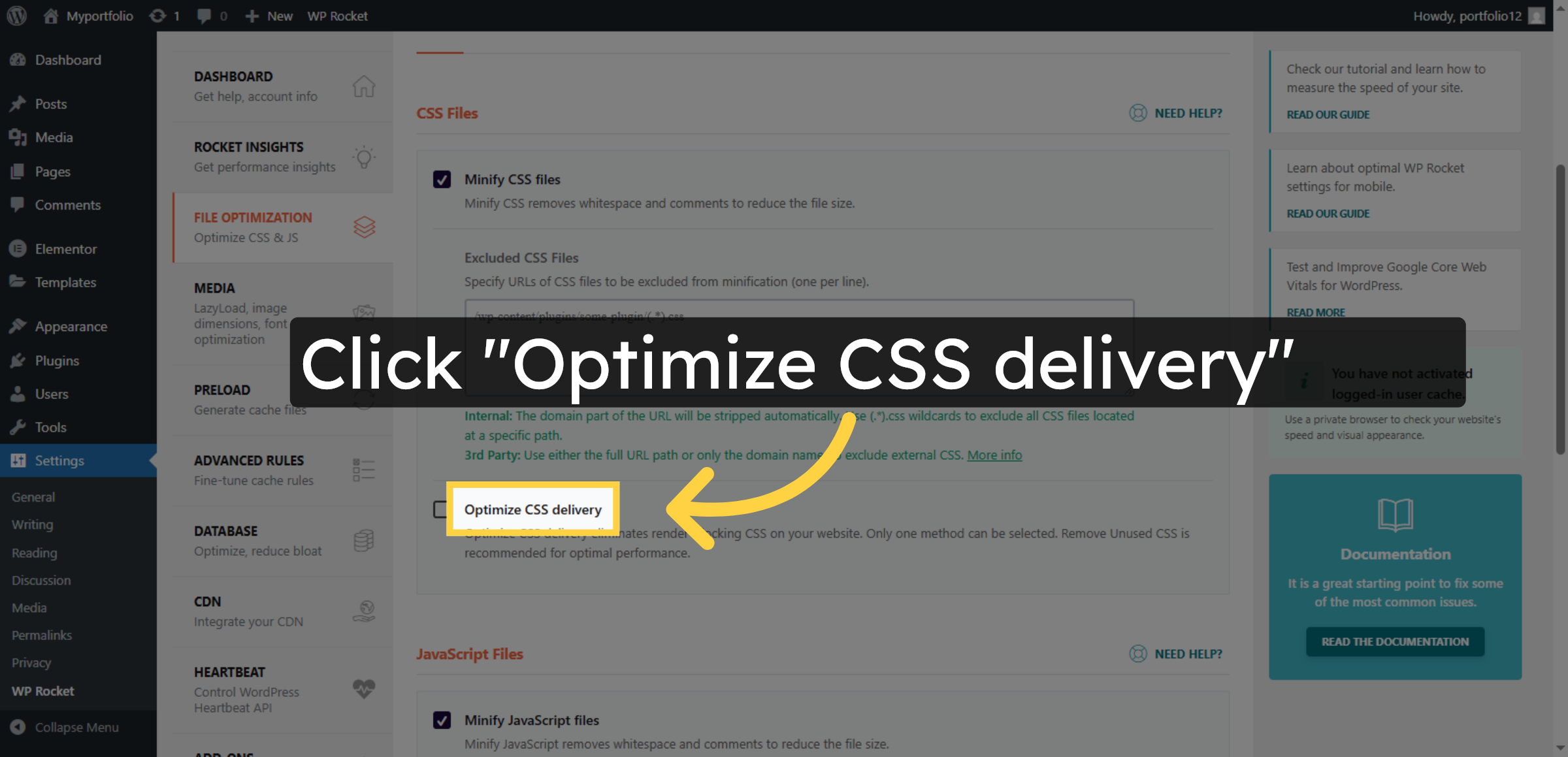
Click Optimize CSS delivery to improve how CSS files load on your site.

Enable CSS Delivery Optimization

20. Enable Remove Unused CSS
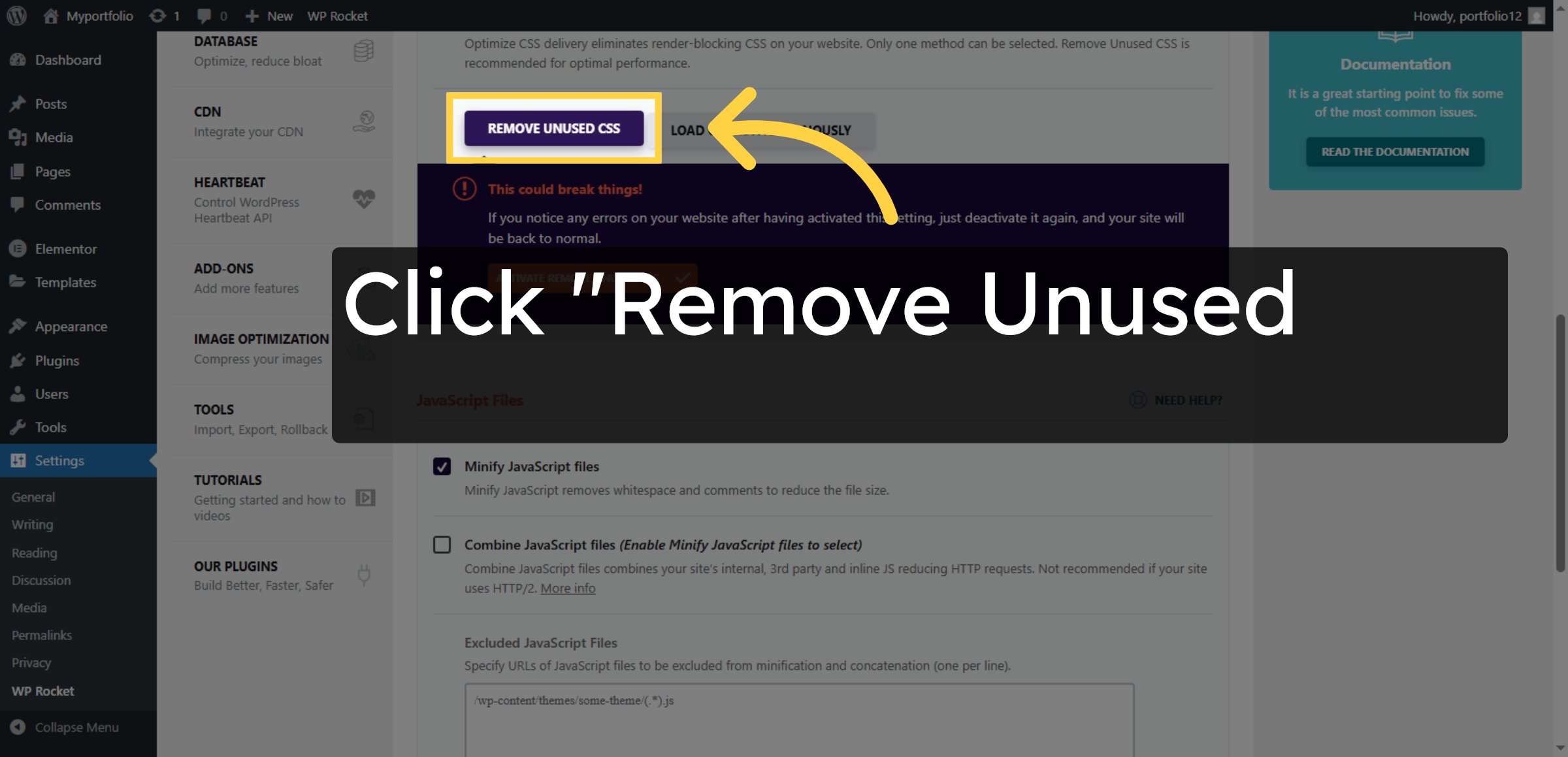
Click Remove Unused CSS to reduce unnecessary CSS and improve load times.

Enable Remove Unused CSS

21. Save File Optimization Changes
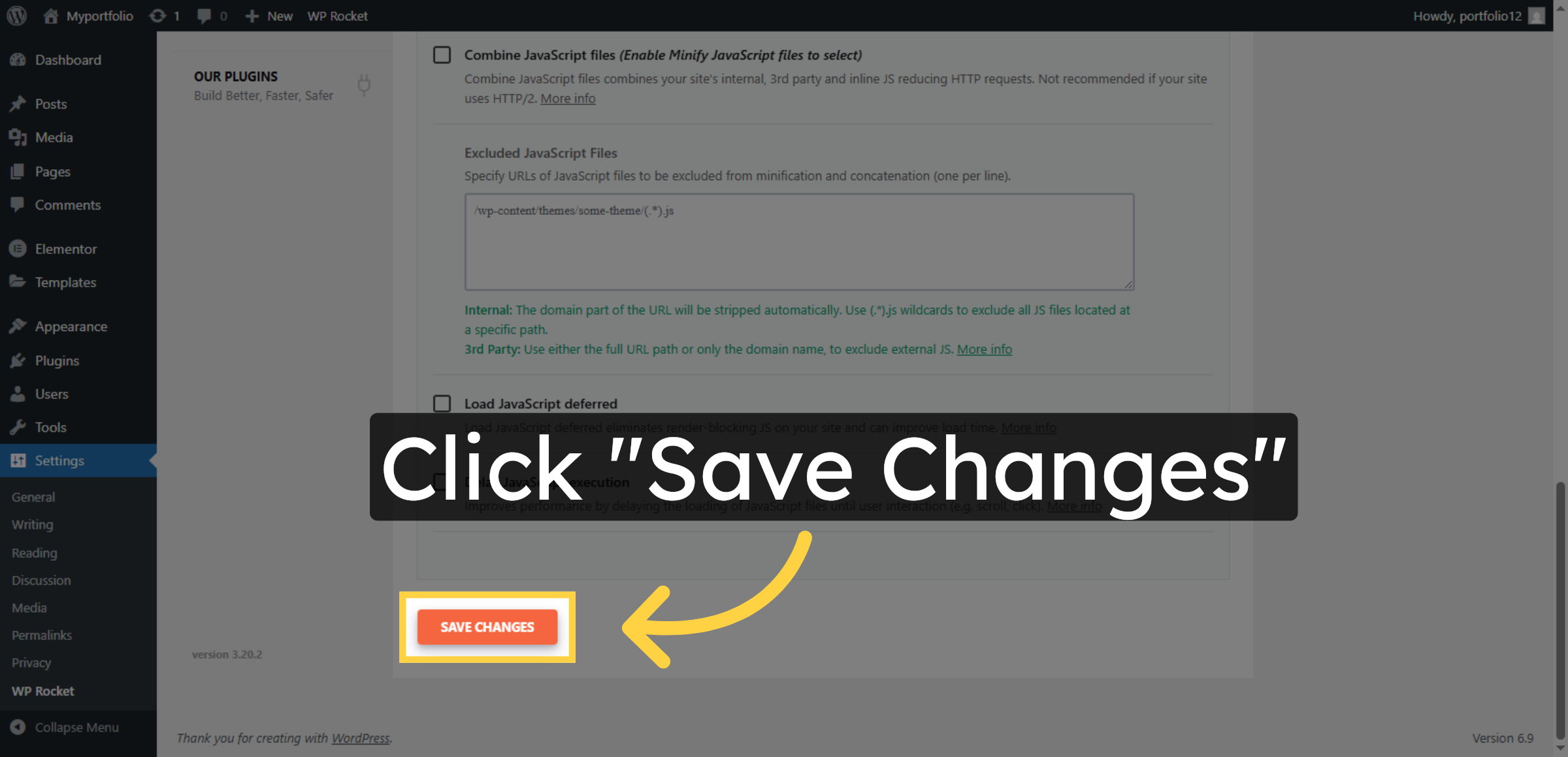
Click Save Changes to apply your CSS optimization settings.

Save File Optimization Changes

22. Open LazyLoad and Font Settings
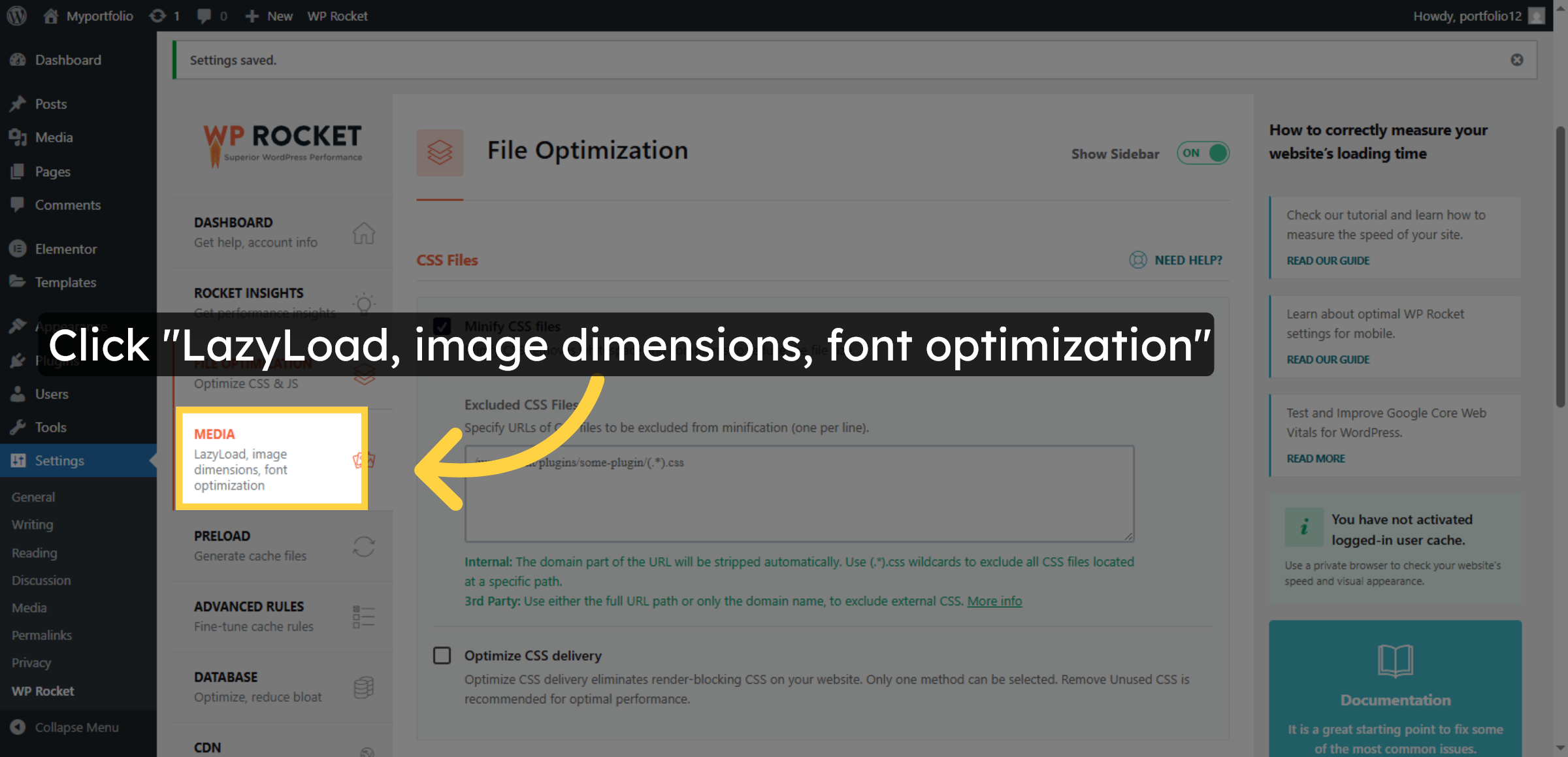
Click LazyLoad, image dimensions, font optimization to configure image and font loading.

Open LazyLoad and Font Settings

Ad Banner

23. Enable LazyLoad for Images

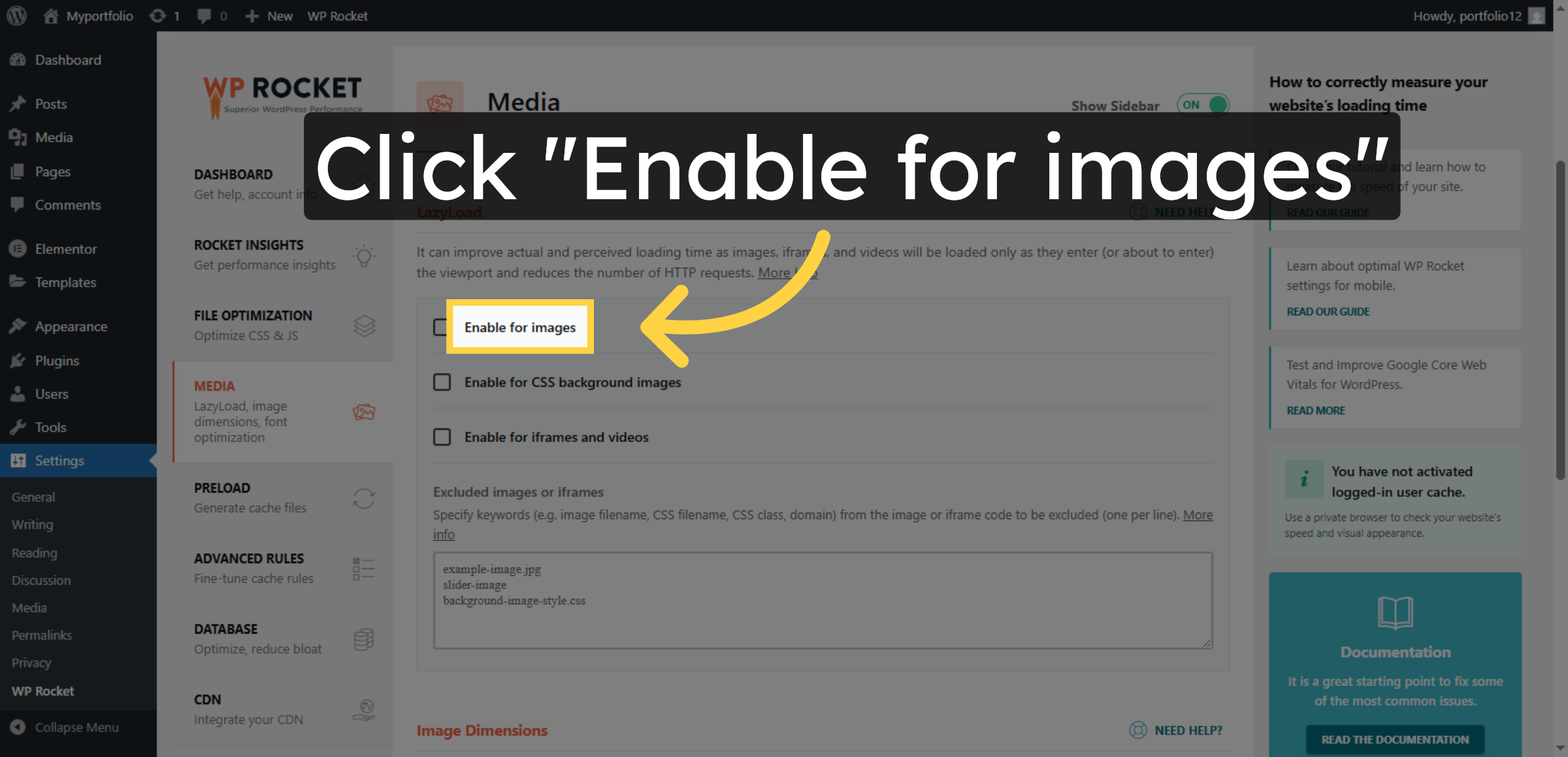
Click Enable for images to activate lazy loading for images on your site.

Enable LazyLoad for Images

24. Enable LazyLoad for CSS Backgrounds
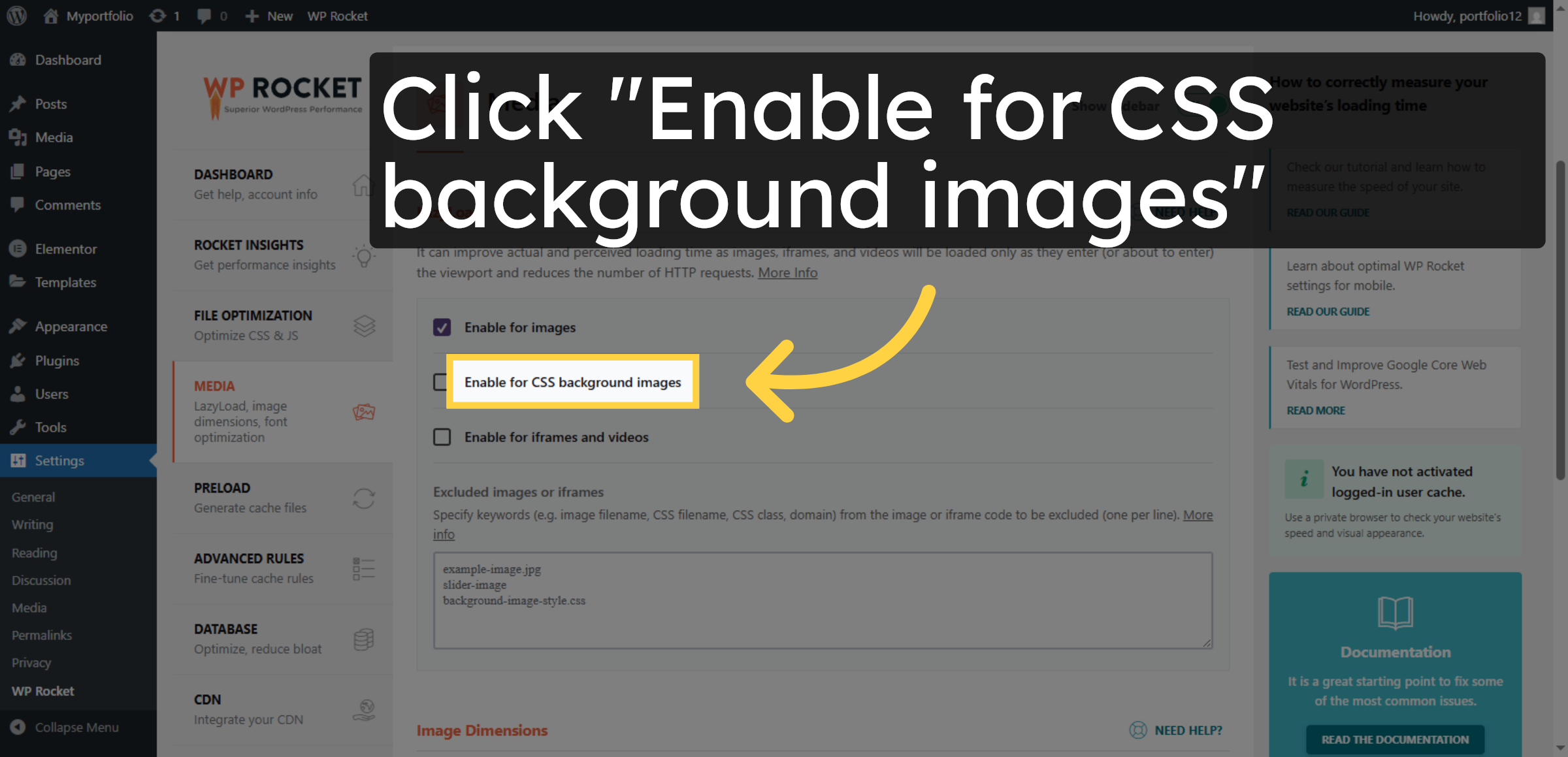
Click Enable for CSS background images to optimize background image loading.

Enable LazyLoad for CSS Backgrounds

25. Enable LazyLoad for Iframes and Videos
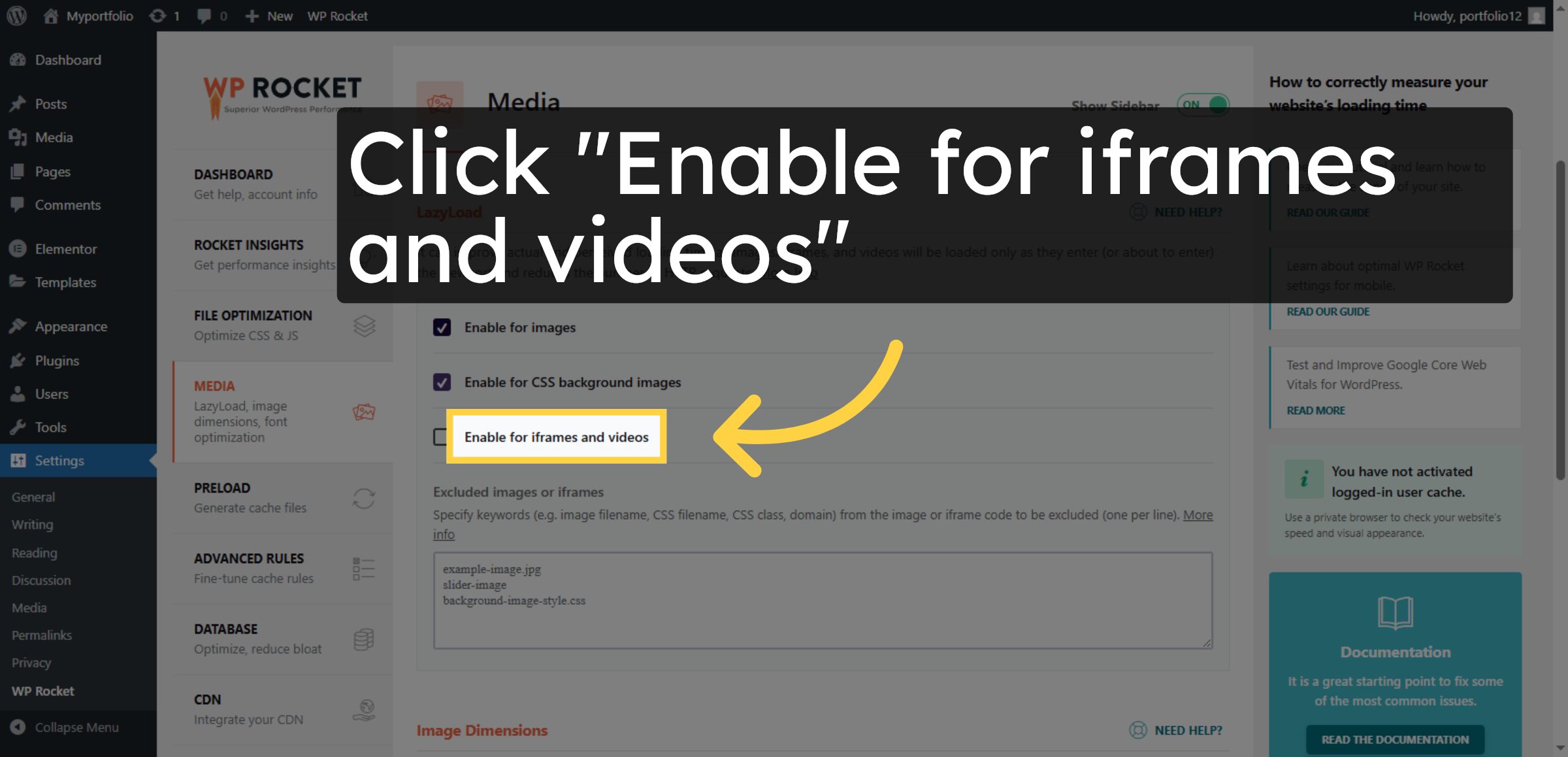
Click Enable for iframes and videos to delay loading of embedded content.

Enable LazyLoad for Iframes and Videos

26. Save LazyLoad Settings
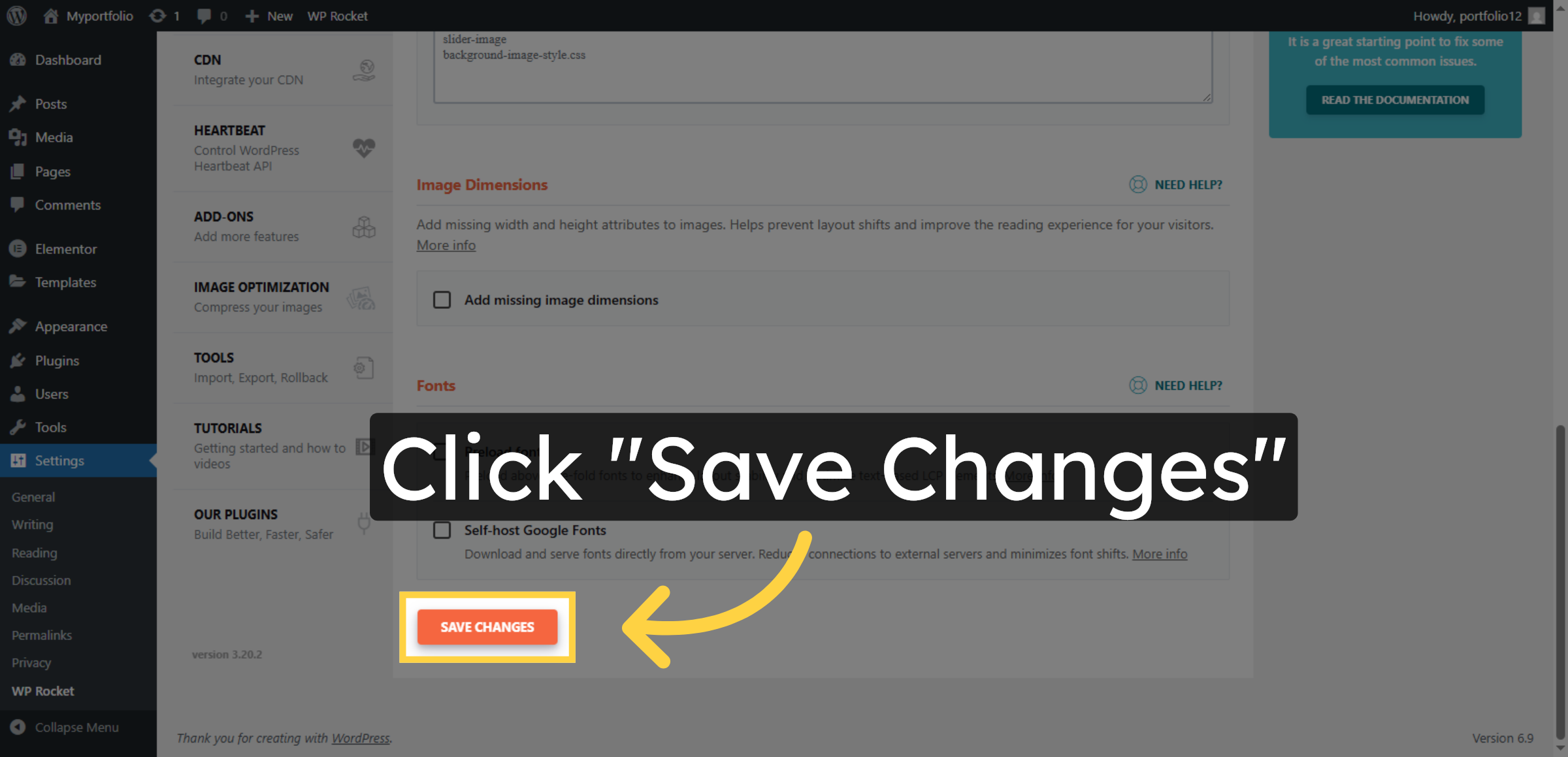
Click Save Changes to apply your lazy loading configurations.

Save LazyLoad Settings

27. Generate Cache Files
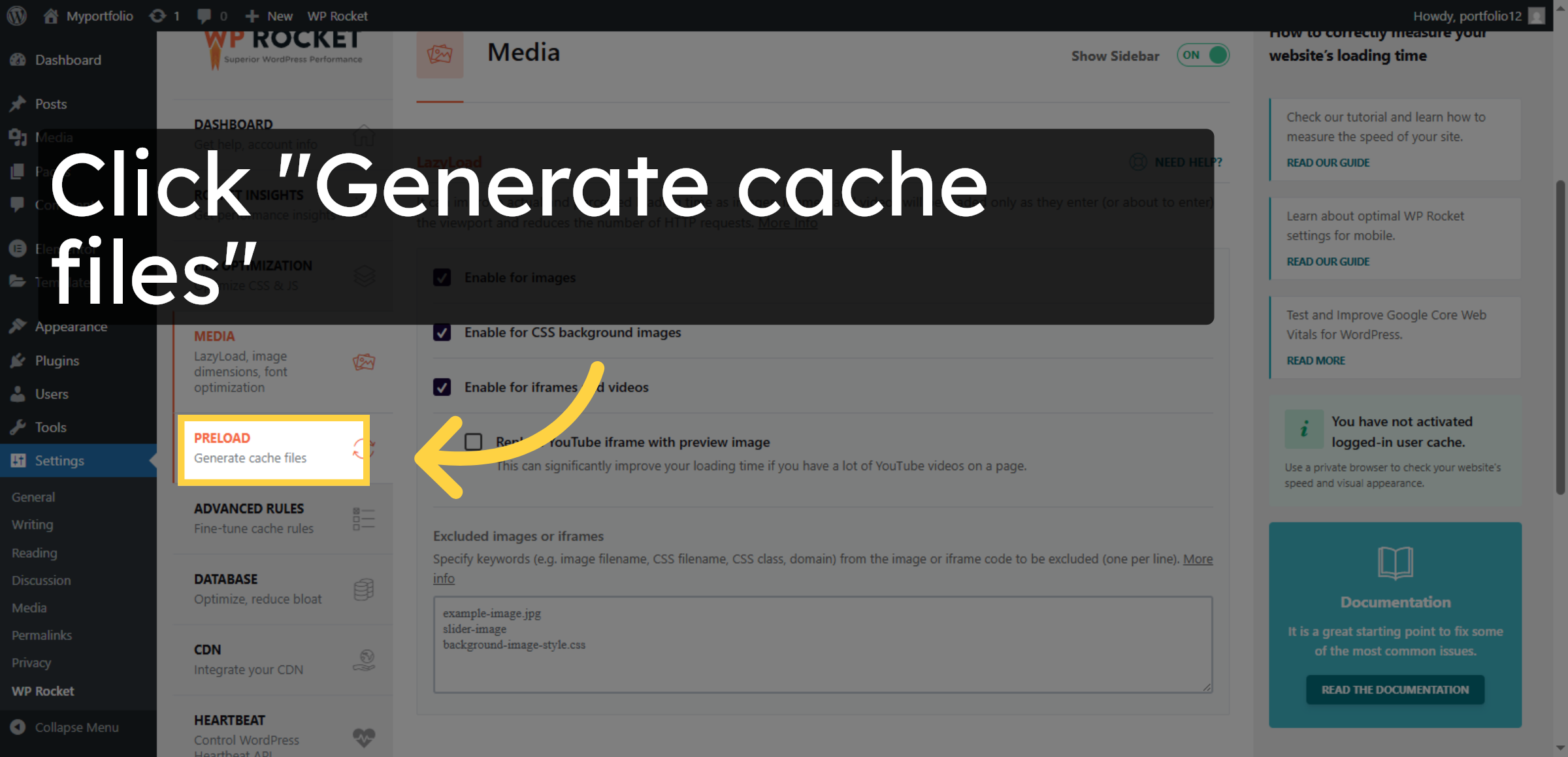
Click Generate cache files to create cached versions of your website pages for faster loading.

Generate Cache Files

28. Enable Link Preloading
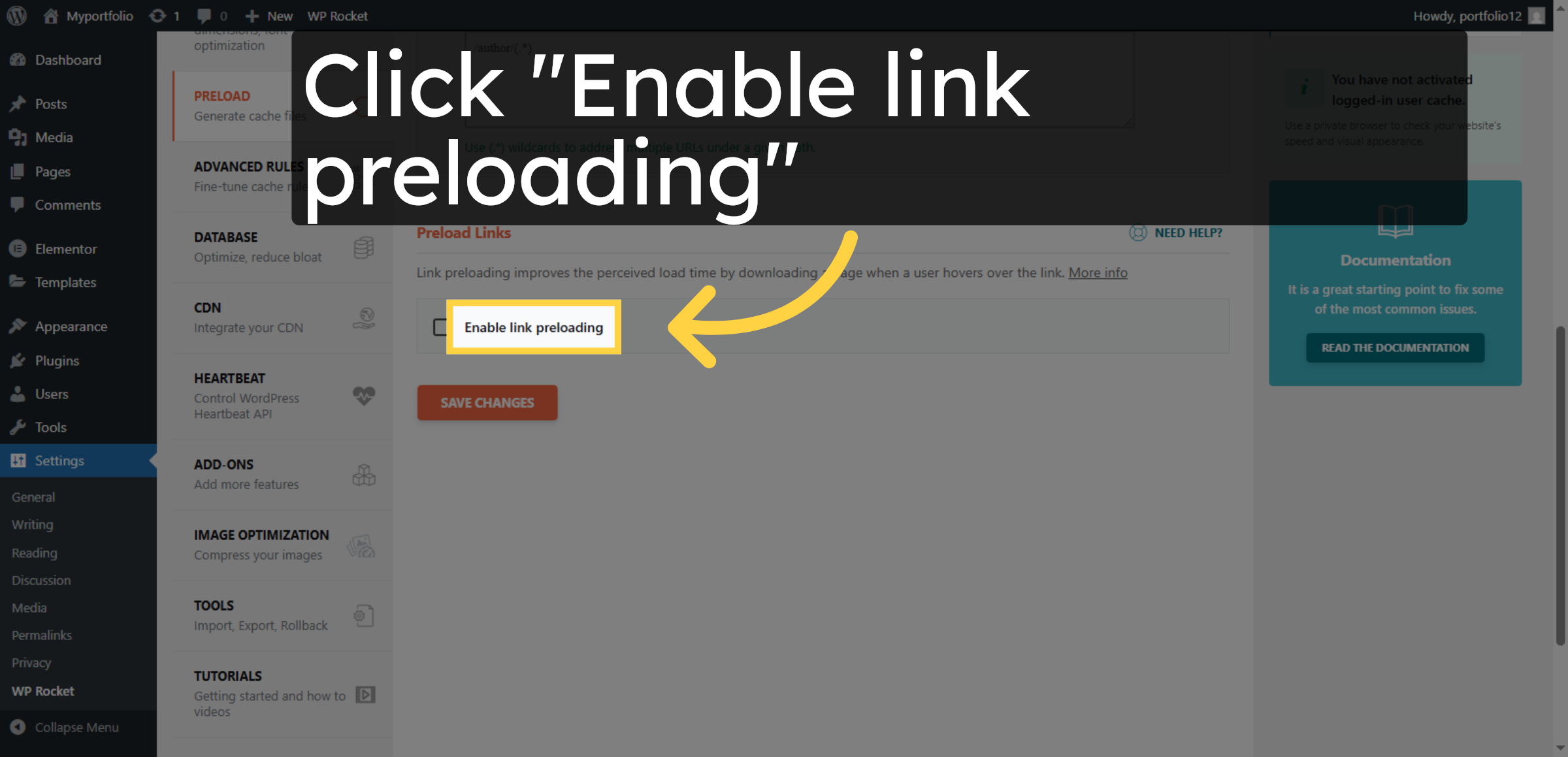
Click Enable link preloading to improve navigation speed by preloading linked pages.

Enable Link Preloading

29. Save Link Preloading Settings
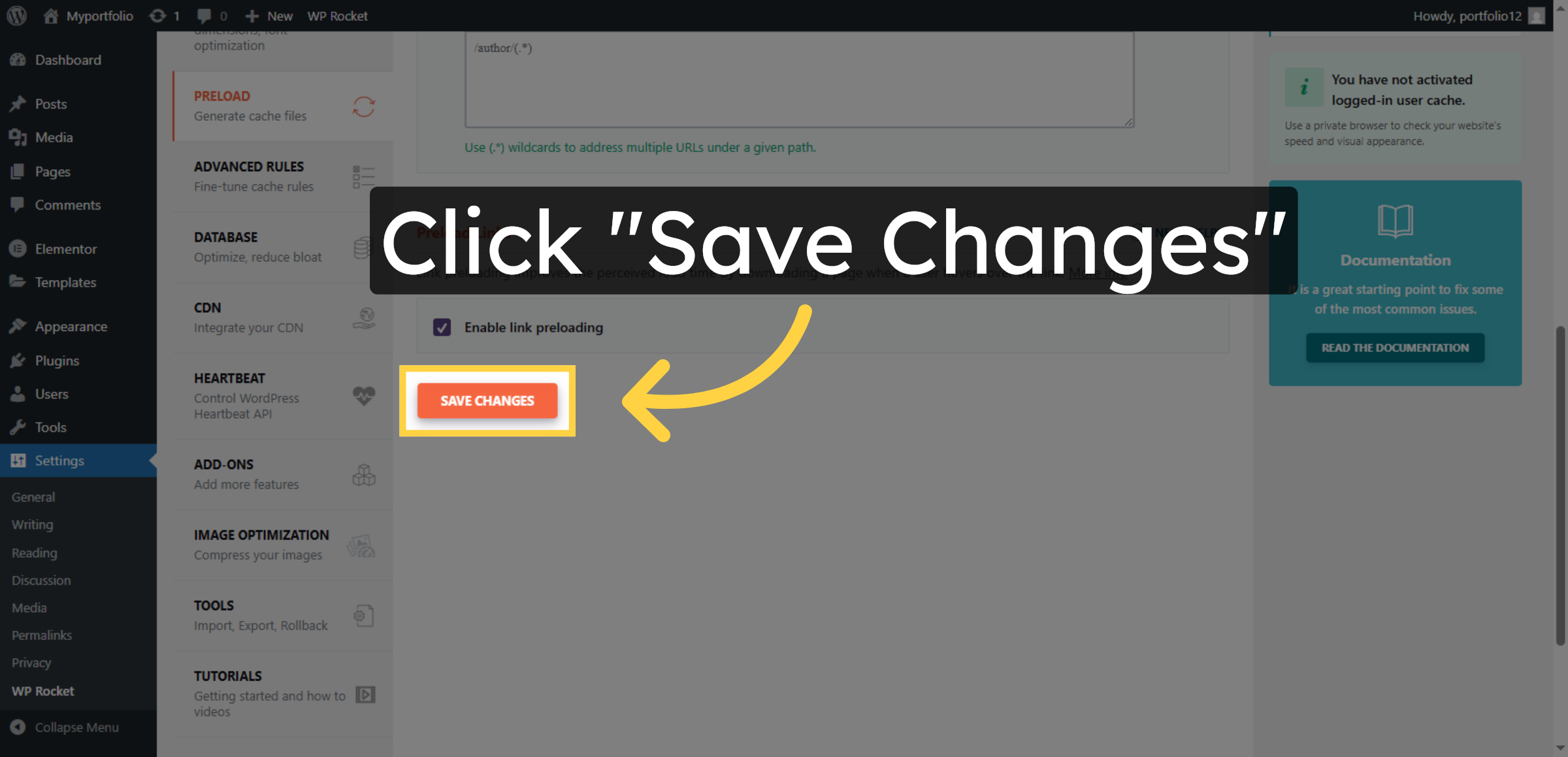
Click Save Changes to confirm your link preloading preferences.

Save Link Preloading Settings

30. Open Optimization and Bloat Reduction
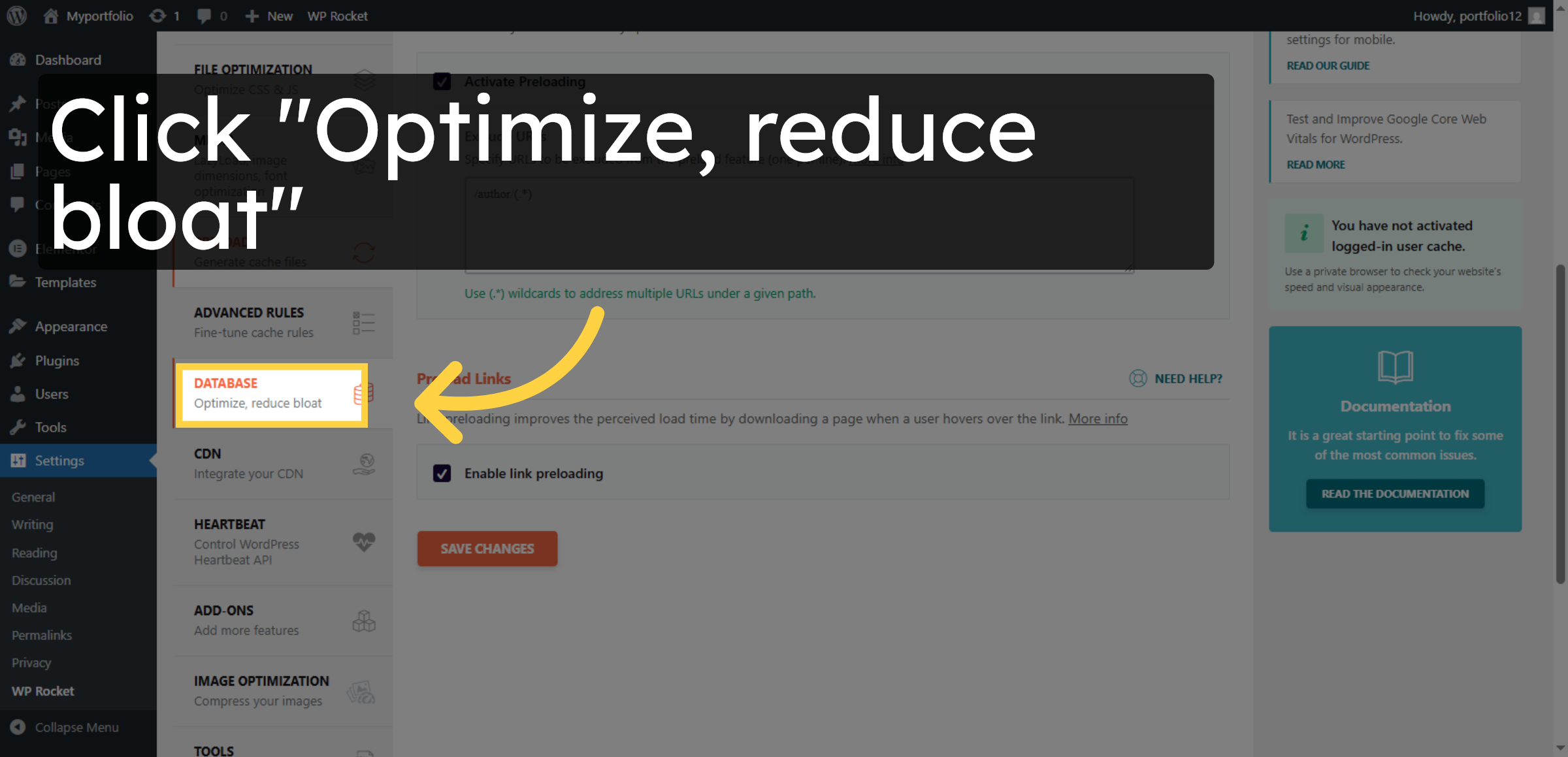
Click Optimize, reduce bloat to access options for cleaning up your WordPress database.

Open Optimization and Bloat Reduction

31. Access Revisions Settings
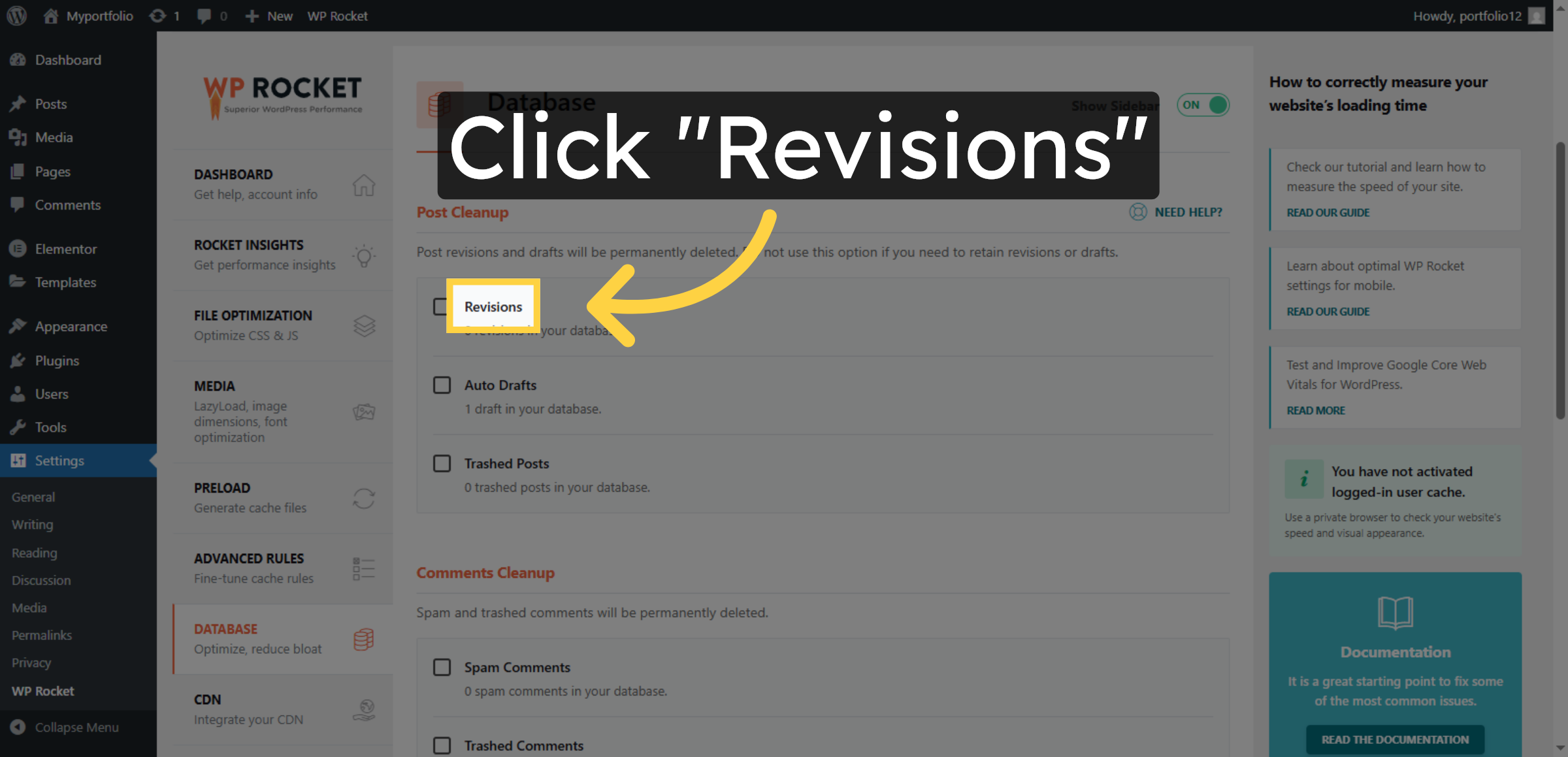
Click Revisions to manage and limit post revision storage.

Access Revisions Settings

32. Set Autosave Interval
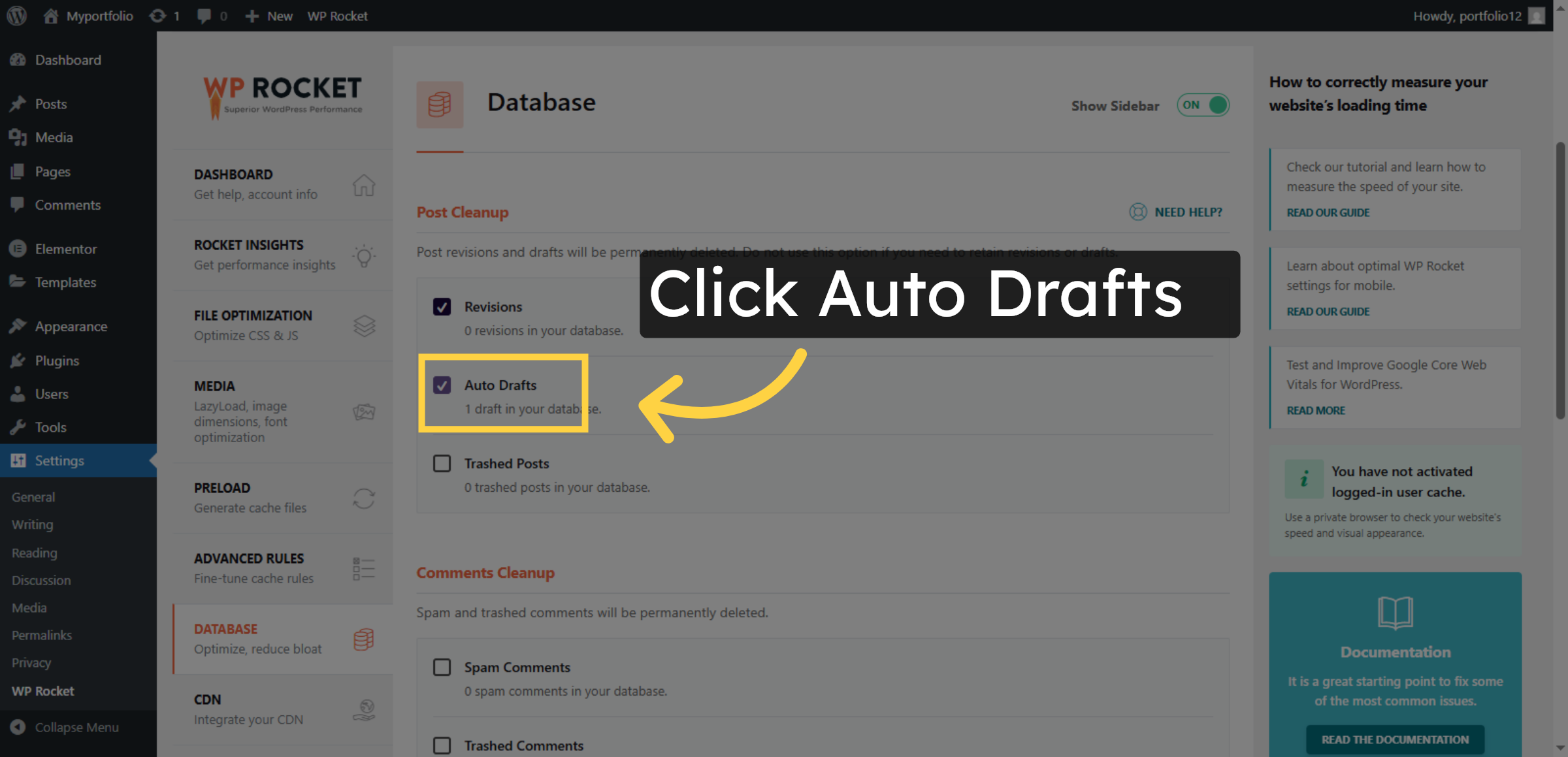
nable Autosave Interval.

Set Autosave Interval

33. Manage Trashed Posts
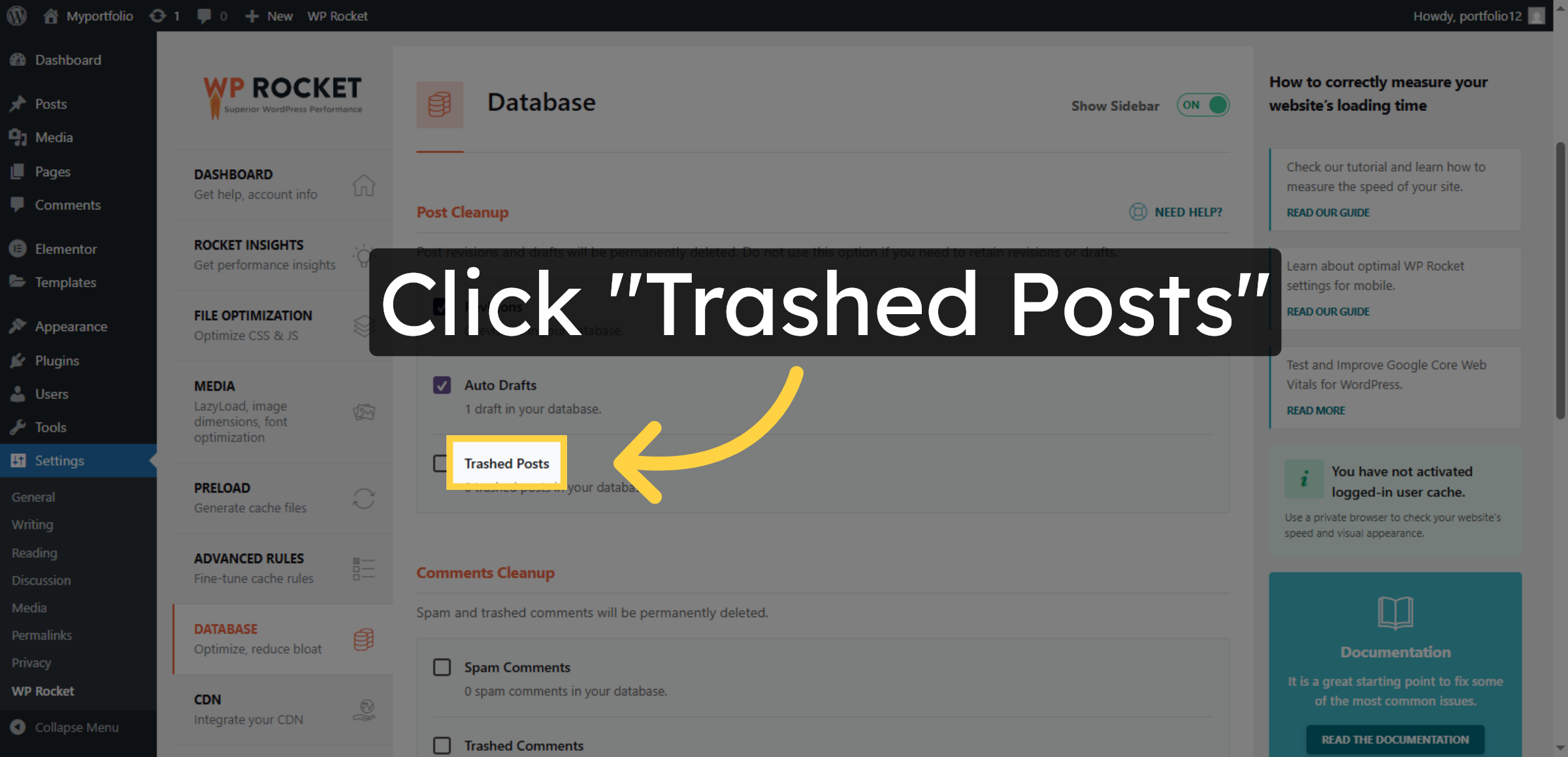
Enable trashed posts

Manage Trashed Posts

34. click on database
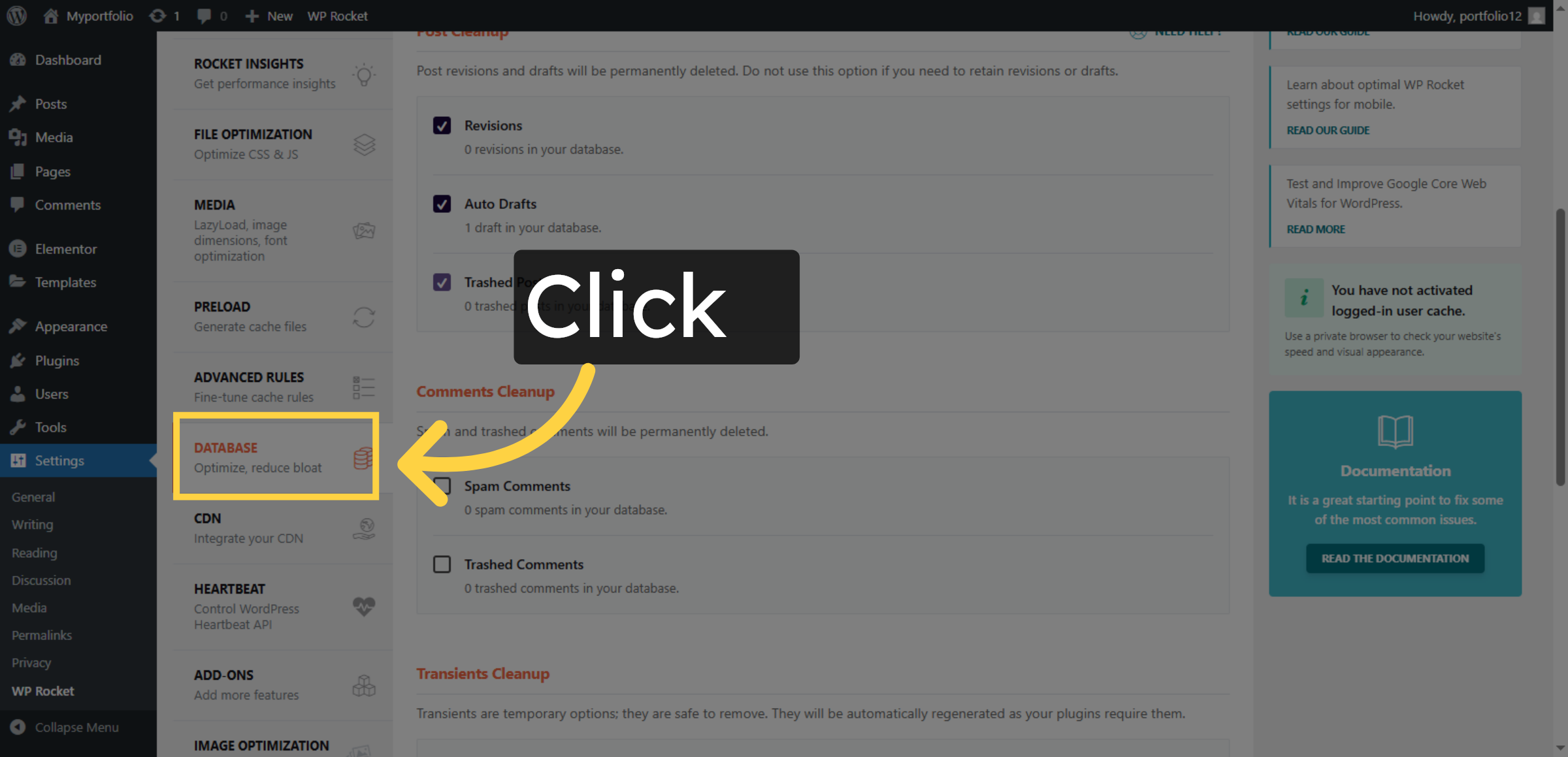
click on database section.

click on database

35. Manage All Transients
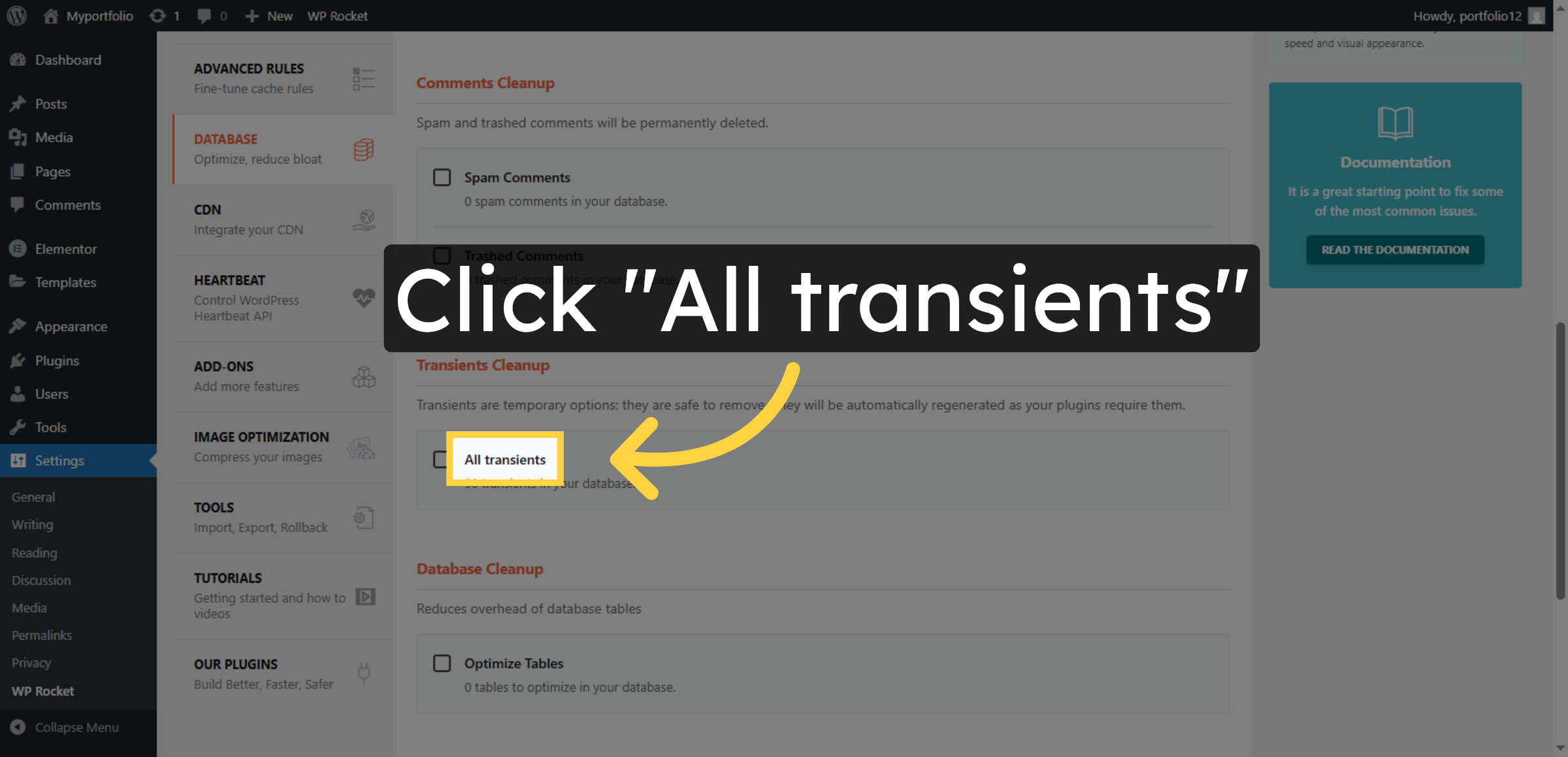
Enable All transients.

Manage All Transients

36. Enable Optimize Database Tables
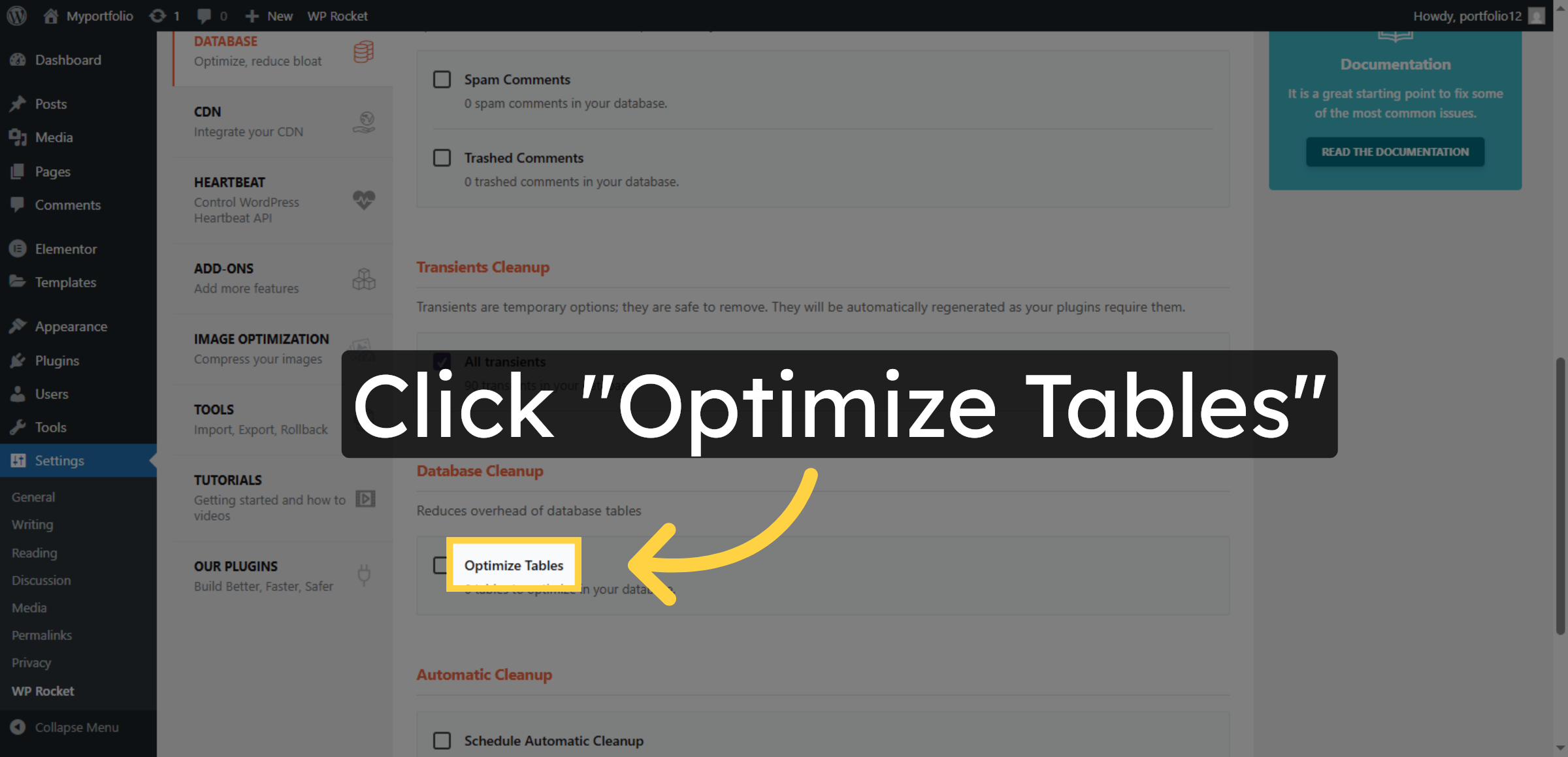
Enable Optimize Database Tables.

Enable Optimize Database Tables

37. Save changes
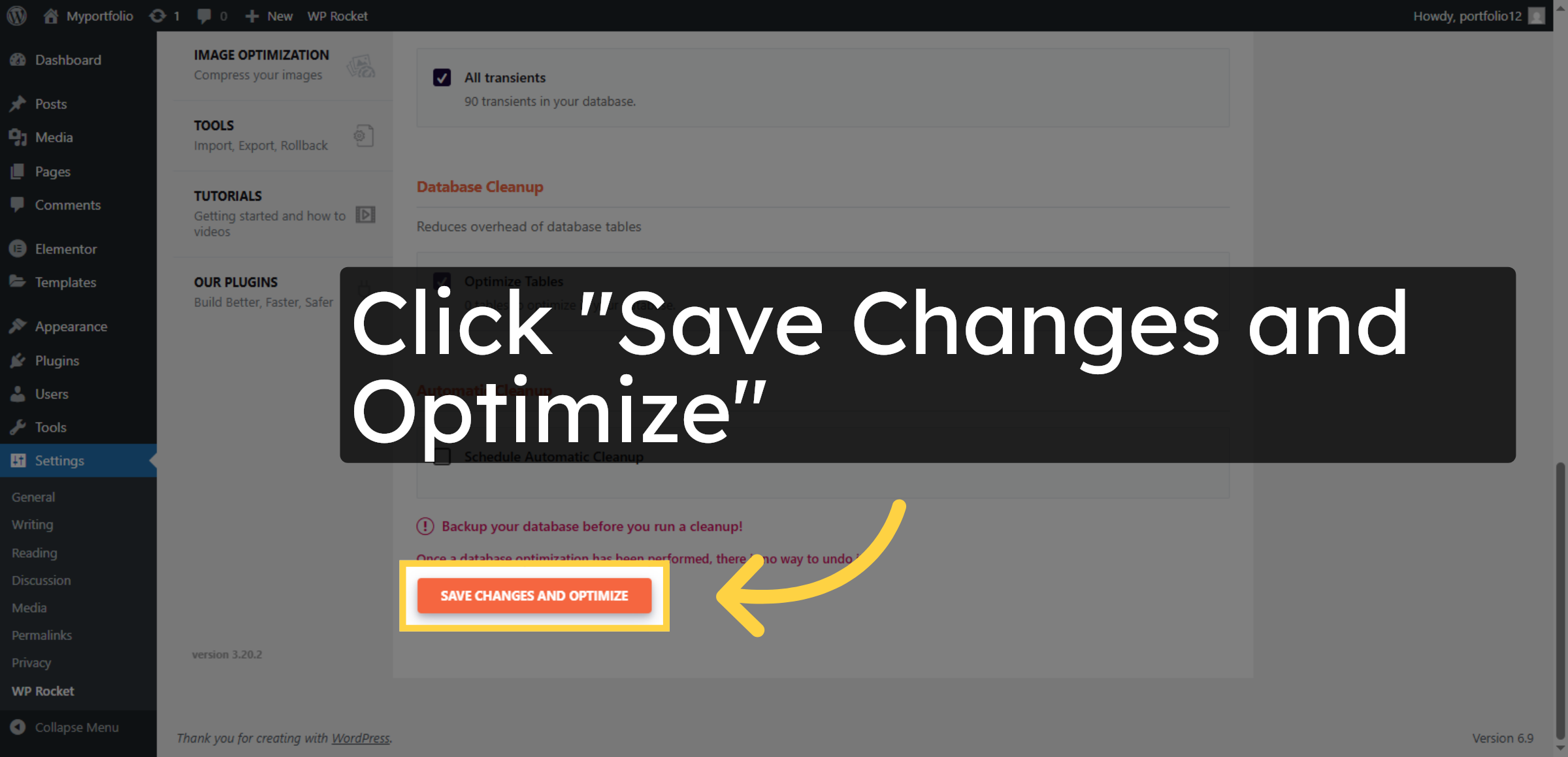
Click Save Changes.

Save changes

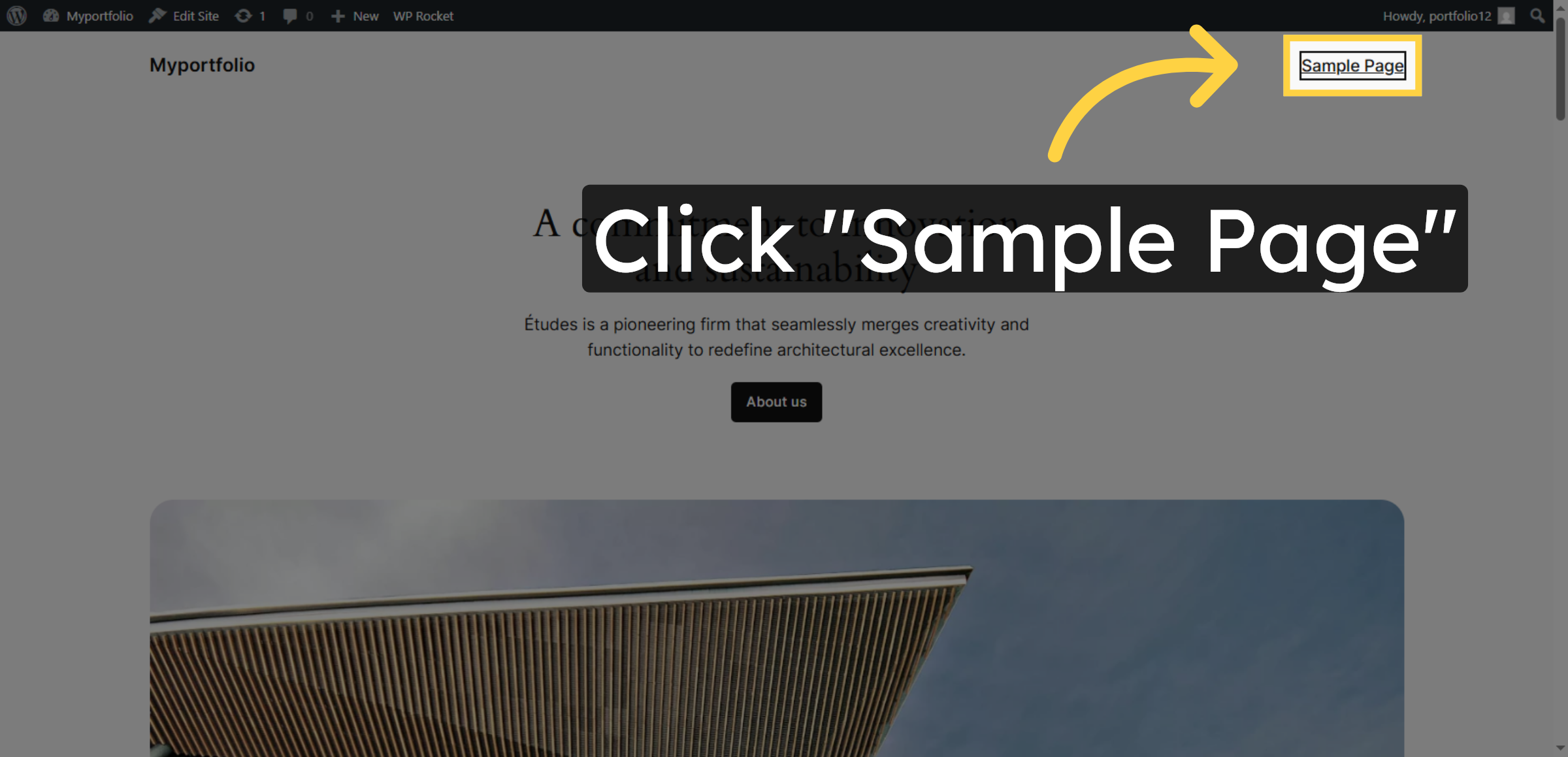
38. Visit Website

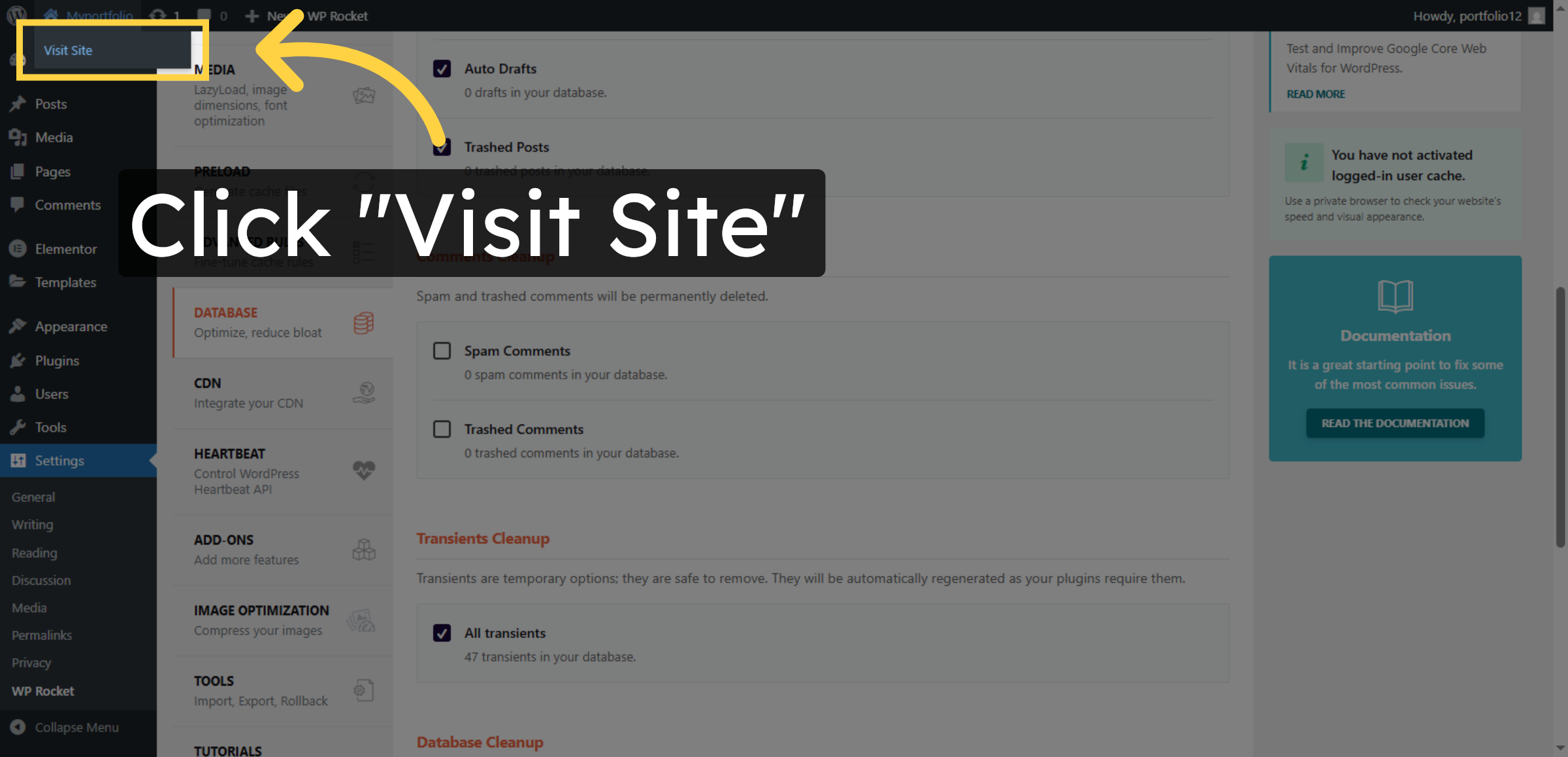
Click Visit Site to view your WordPress website and verify performance improvements.

Visit Website

39. verify your changes
visit website pages to verify changes and performance.

verify your changes

40. “After Speeding Up Your Website’s Performance”
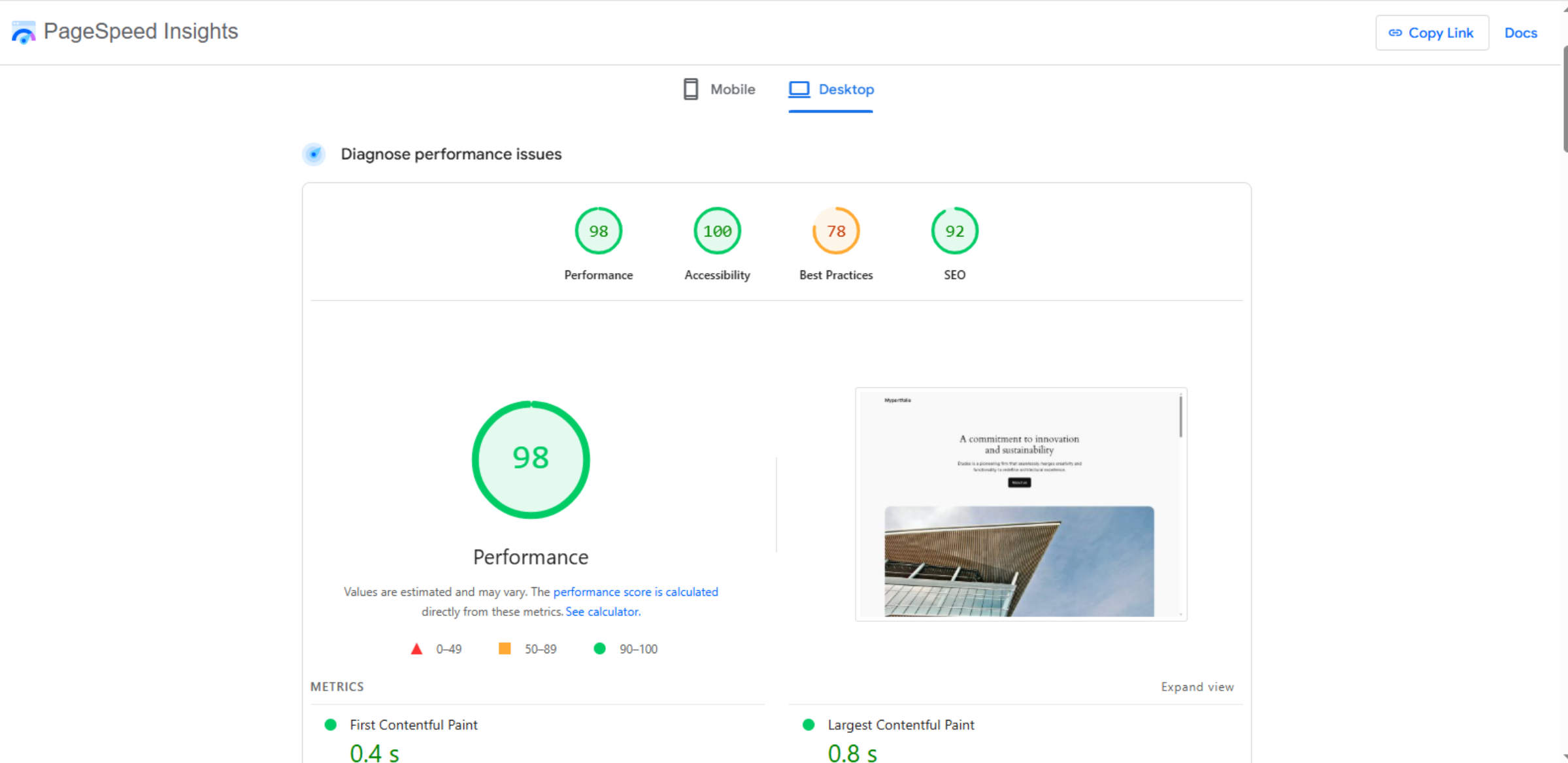
After speeding up the website, you should notice faster loading times and improved user experience.

“After Speeding Up Your Website’s Performance”

Conclusion

By following the steps outlined in this guide, you can successfully improve your WordPress website’s performance using the WP Rocket plugin. Measuring site speed before optimization, applying file optimization, enabling lazy loading, generating cache files, and optimizing the database all contribute to faster loading times and a better user experience. Regular performance monitoring and optimization are best practices for maintaining a fast, efficient, and SEO-friendly WordPress website.

Visit: https://www.woohelpdesk.com
Call Us Toll-Free: +1 888 602 0119 (US & Canada)
Get professional support for WordPress configuration, hosting management, performance optimization, and troubleshooting.


 

Leave a Reply

Your email address will not be published. Required fields are marked *

Leave a Reply

Your email address will not be published. Required fields are marked *