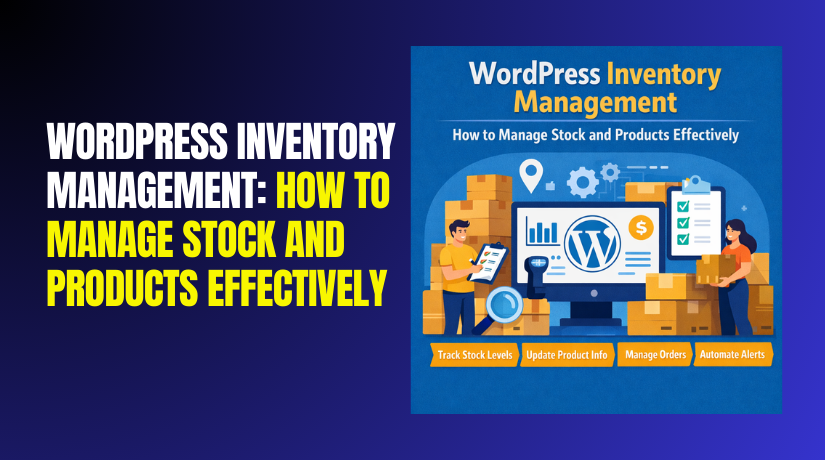
WordPress Inventory Management: How to Manage Stock and Products Effectively?
Table of Contents
- Introduction
- What is WordPress?
- What is Stock management in WordPress?
- What are the Key Features of WordPress Inventory Management?
- What are the Benefits of WordPress Inventory Management?
- Does WordPress have inventory management?
- How to Manage Inventory in WordPress Step by Step?
- What are the Top 3 Best Stock Management Plugins for WordPress?
- Final Verdict
Introduction
Inventory problems can quietly destroy store profits and customer trust. One wrong stock number can create backorders and refunds fast. One missing product update can confuse buyers and increase support tickets.
This is why WordPress inventory management matters for every store. Even small stores need a clean system for stock and products. Good inventory control helps you ship faster and avoid overselling. It also helps you track what sells and what stays unsold. With the right workflow, you can manage inventory in WordPress confidently.
You can also improve WordPress stock management without complex tools. Many store owners use a WordPress inventory plugin for automation and clarity. Strong WordPress product management also improves pricing accuracy and catalog quality.
This guide explains a stable inventory approach step by step. Each section uses bullet points with full explanations for clarity. The goal is simple: reduce mistakes and improve daily operations.
What is WordPress?
WordPress is a content management system that powers websites. It helps you create pages, posts, and media without coding. It also supports plugins that add features like stores and inventory.
WordPress can run blogs, business websites, and eCommerce sites. For selling products, many sites use WooCommerce on WordPress. WordPress manages users, menus, and site settings centrally. It also supports themes for site design and layout control. WordPress is flexible and works for many business models.
But WordPress alone is not an inventory system by default. Inventory features come from store plugins and inventory plugins. This is where WordPress product management becomes important. With the right tools, WordPress can support strong inventory workflows.
What is Stock management in WordPress?
Stock management means tracking product quantities and availability. It also means controlling what buyers can purchase at checkout. Stock management includes low stock alerts and reorder planning. It includes backorder rules and out of stock display behavior. In WordPress stores, stock management usually comes from WooCommerce.
WooCommerce supports stock quantities, stock status, and inventory settings. You can track stock per product and per variation. You can also set low stock thresholds for alerts. You can also manage stock when orders are placed automatically. This makes Manage inventory in WordPress possible for many stores.
For more advanced needs, a WordPress inventory plugin can add bulk tools. It can also add barcode support, purchase orders, and stock history. Good stock management prevents overselling and improves customer trust.
What are the Key Features of WordPress Inventory Management?
1. Central product catalog with organized product data
A central catalog keeps all product details in one place. This helps you manage pricing, SKU, and stock consistently. It also helps staff find products faster during updates. A clean catalog supports better reporting and smoother fulfillment.
- Product titles, SKUs, and categories stored in one catalog. Central storage prevents scattered product records and confusion.
- Product types like simple, variable, and grouped products are supported. Types help represent real inventory and selling options cleanly.
- Attributes and variations supported for size and color options. Variation stock helps track each option accurately without guessing.
2. Stock quantity tracking with auto reduction on orders
Stock tracking is the core of inventory control in WordPress. When orders are placed, stock can reduce automatically. This prevents overselling and keeps availability accurate for buyers. Auto reduction depends on correct settings and order status flow.
- Track stock quantity per product and per variation. Per variation tracking prevents wrong availability for size and color.
- Auto reduces stock when an order reaches a chosen status. Correct status rules prevent unpaid orders reducing stock wrongly.
- Hold stock for unpaid orders for a set number of minutes. Hold time prevents overselling during slow payment confirmations.
3. Stock status controls for in stock and out of stock behavior
Stock status controls what customers can buy and see. You can show out of stock products or hide them. You can also allow backorders for some items. These controls shape the buying experience and demand handling.
- Set stock status as in stock, out of stock, or backorder. Status rules control purchase access and customer expectations clearly.
- Hide out of stock items from catalogs when needed. Hiding reduces frustration and improves browsing experience quickly.
- Show stock messages like only three left for urgency. Stock messaging can improve conversions when used carefully.
4. Low stock alerts and reorder threshold settings
Reorder planning prevents stockouts and lost revenue. Low stock alerts tell you when to restock on time. Threshold settings make alerts consistent across the store. Alerts can be email based or dashboard based depending on tools.
- Set low stock thresholds globally and per product when needed. Thresholds support different reorder timelines for each product.
- Receive low stock and out of stock email notifications. Notifications help you act fast and prevent missed reorders.
- Use reorder reports to plan purchase orders and supplier calls. Reports reduce guesswork and support smart restocking decisions.
5. SKU based tracking for faster picking and fewer mistakes
SKUs make product tracking reliable and fast in warehouses. They reduce confusion when product names look similar. SKUs also help with barcode scanning and supplier systems. SKU usage improves accuracy in packing and returns processing.
- Assign unique SKUs to every product and every variation. Unique SKUs prevent wrong item selection during packing work.
- Use SKU search to find products quickly in admin screens. SKU search speeds updates and reduces manual browsing time.
- Use SKU consistency across suppliers and internal systems. Consistency supports smooth reorders and inventory reconciliation.
6. Bulk editing tools for faster product and stock updates
Bulk tools save time when you manage many products. They allow mass stock updates and price changes quickly. They also reduce repetitive clicking in product screens. Bulk editing is a key reason stores use inventory plugins.
- Bulk updates stock quantities for many products at once. Bulk updates help after stock count and shipment receiving.
- Bulk update stock status for seasonal items and discontinued lines. Status updates keep catalogs clean and reduce confusion.
- Bulk edit prices and sale dates for planned promotions. Bulk pricing reduces errors during sale campaigns and launches.
7. Role based access control for inventory safety
Not every staff member should edit stock and pricing. Roles protect inventory settings from accidental changes. Access control also improves accountability and reduces internal mistakes. This is important for teams and agencies managing stores.
- Assign roles like Shop Manager for inventory handling tasks. Roles limit access and protect critical store settings safely.
- Restrict editing for sensitive fields like price and stock quantity. Restriction prevents accidental price drops and stock confusion.
- Use audit logs when possible to track stock changes by user. Logs help identify mistakes and improve staff training.
8. Inventory reporting for sales, stock value, and trends
Reports help you understand what sells and what sits. They help you plan restocking and reduce dead stock. They also help you forecast seasonal demand patterns. Reporting improves decisions for purchasing and marketing teams.
- View reports for low stock, out of stock, and backorders. Visibility helps you plan reorders before customers complain.
- Track best sellers to prioritize restocking and promotions. Best sellers deserve priority stock to avoid revenue loss.
- Track slow movers to reduce overstock and storage costs. Slow movers can be discounted or bundled for clearance.
9. Multi location and multi channel support through add ons
Some stores need inventory across multiple locations or channels. WordPress can support this using add ons and integrations. You can sync stock across warehouses or retail stores. You can also sync with marketplaces and POS systems.
- Sync inventory across multiple warehouses and pickup locations. Multi location sync prevents overselling at one location.
- Sync stock with POS systems for in store and online sales. POS sync keeps one stock truth across channels.
- Sync stock with marketplaces using connectors and APIs. Marketplace sync reduces manual updates and stock mismatches.
What are the Benefits of WordPress Inventory Management?
Good WordPress inventory management improves daily operations and customer trust. It reduces overselling, prevents stockouts, and cuts manual work. It also makes catalogs cleaner and easier to manage.
When you manage inventory in WordPress properly, you ship faster and make fewer mistakes. Strong WordPress stock management also improves reporting and restocking decisions.
Better inventory control also supports better customer experience and store reputation. The benefits below explain why inventory management matters for stores.
1. Prevents overselling and reduces refund requests
Overselling happens when stock levels are wrong or delayed. This creates cancellations, refunds, and negative reviews quickly. Inventory management reduces these issues using accurate stock reduction. It also reserves stock during checkout using hold rules.
- Auto reduces stock after payment or Processing status changes. This keeps stock accurate and avoids selling unavailable items.
- Hold stock for pending orders to prevent double selling. Hold time reserves inventory during slow payment confirmations.
- Show out of stock status clearly to stop failed checkouts. Clear status prevents buyer frustration and cart abandonment issues.
2. Helps you restock faster using alerts and thresholds
Stockouts reduce sales and force customers to shop elsewhere. Alerts tell you what is low before it runs out. Thresholds keep alert behavior consistent across products. This helps you reorder on time without guessing.
- Receive low stock alerts before products fully run out. Alerts help you reorder early and protect daily revenue.
- Set product specific thresholds for fast moving products. Fast movers need higher thresholds to avoid sudden stockouts.
- Use reports to plan supplier orders and delivery schedules. Planning reduces emergency reorders and shipping premium costs.
3. Improves fulfillment speed and reduces packing mistakes
Inventory systems improve order picking and packing accuracy. Clear SKUs and variation details help warehouse teams work faster. Accurate stock data reduces last minute order changes. This improves dispatch speed and reduces support tickets.
- Use SKU based picking to avoid selecting wrong products. SKUs reduce mistakes when product names look similar.
- Track variation stock so correct size and color ship always. Variation accuracy reduces wrong variant shipping issues quickly.
- Keep product data organized for faster packing and labeling. Organized data speeds operations and reduces staff confusion.
4. Saves time through bulk updates and repeatable workflows
Manual updates waste time and create inconsistent stock values. Bulk tools help you update many products quickly. Repeatable workflows reduce training time and prevent team mistakes. This benefit grows as your catalog grows.
- Bulk edit stock quantities after receiving new inventory shipments. Bulk updates prevent hours of repetitive product editing.
- Bulk set out of stock items during supplier delays quickly. Quick updates prevent orders for items you cannot fulfill.
- Standardize product setup steps for faster new product launches. Standards reduce setup errors and improve catalog consistency.
5. Improves product catalog quality and buyer experience
A clean catalog improves browsing and purchase confidence. Accurate stock status prevents dead end product pages. Better product organization supports better filtering and navigation. This improves conversions and reduces customer confusion.
- Show accurate availability messages on product and category pages. Accurate messages reduce confusion and support decision making.
- Hide out of stock products to keep catalog browsing clean. Clean browsing helps buyers find available items quickly.
- Keep categories and tags structured for easier product discovery. Structure improves navigation and supports better internal linking.
6. Supports multi channel selling with fewer stock conflicts
Many stores sell online and offline at the same time. Stock conflicts happen when channels do not sync properly. Inventory management helps keep one accurate stock truth. Plugins and integrations can sync inventory across channels.
- Sync inventory between WooCommerce and POS for one stock number. Single stock truth prevents overselling across sales channels.
- Sync stock with marketplaces to avoid manual updates daily. Sync reduces time and prevents marketplace stock mismatches.
- Support multiple warehouses and pickup locations with rules. Rules ensure each location sells only available stock.
7. Helps you track performance and plan smarter purchasing
Inventory reports help you learn what sells and what does not. This reduces dead stock and improves cash flow. It also supports seasonal planning and promotions. Good reporting makes purchasing more strategic and less reactive.
- Track best sellers to prioritize restocking and ad budgets. Best sellers drive revenue and need stable inventory levels.
- Track slow movers to plan discounts and clearance strategies. Slow movers consume cash and storage without selling quickly.
- Forecast seasonal demand using past sales and stock patterns. Forecasting reduces panic restocking and missed sales opportunities.
8. Improves security and accountability for inventory changes
Inventory mistakes often happen through accidental edits. Role control reduces risk by limiting access. Logs provide visibility into changes when disputes happen. This helps teams stay accountable and improve processes.
- Limit inventory editing to trusted roles and staff only. Role limits prevent accidental pricing and stock mistakes.
- Use audit logs to track stock edits by user and time. Logs help troubleshoot and fix recurring inventory errors.
- Protect stock settings from plugin conflicts using careful selection. Fewer overlapping plugins reduces data write conflicts.
Does WordPress have inventory management?
WordPress core does not include inventory tools by default. WordPress is a content platform, not a stock system. Inventory features come from eCommerce and inventory plugins. The most common option is WooCommerce with stock settings enabled.
WooCommerce adds products, orders, and WordPress stock management controls. It also reduces stock when orders are placed and paid. For advanced needs, a WordPress inventory plugin adds bulk tools and reporting. So the correct answer is simple and clear.
WordPress supports inventory management through plugins and setups. This is why WordPress inventory management is plugin driven in most stores.
How to Manage Inventory in WordPress Step by Step?
This section explains how to Manage inventory in WordPress using a stable workflow. The safest method starts with WooCommerce inventory settings. Then you configure product level stock rules and alerts. After that, you add bulk tools and reporting for control.
Follow the steps below in the same order for best stability:
Step 1: Confirm you have an inventory ready store setup
You need an eCommerce system to manage products and stock. WooCommerce is the most common foundation for inventory control. You should also confirm your theme supports WooCommerce layouts. Stable hosting also supports accurate order updates.
WordPress Dashboard → Plugins → Installed Plugins
WordPress Dashboard → Appearance → Themes
- Install and activate WooCommerce for product and stock features. WooCommerce adds product types, orders, and inventory settings.
- Confirm WooCommerce is updated to a stable version. Updates fix inventory bugs and improve order status reliability.
- Confirm your theme supports WooCommerce product templates. Compatible themes display stock status and product data correctly.
Step 2: Enable stock management globally in WooCommerce settings
Global settings control how stock tracking works storewide. If stock management is disabled, products will not reduce stock. You should also set low stock thresholds and hold stock minutes. These settings create consistent stock behavior.
WordPress Dashboard → WooCommerce → Settings → Products → Inventory


- Enable Manage stock to activate storewide stock tracking. This allows products to track quantity and reduce after orders.
- Set Hold stock minutes to reserve stock during checkout. Hold time prevents overselling when payments are delayed.
- Set Low stock threshold for early reorder alerts. Thresholds tell you when to reorder before stockouts happen.
- Set Out of stock threshold to control when items become unavailable. This prevents selling when stock is too low to fulfill.
Step 3: Configure product stock settings for every product
Global settings are not enough for correct product behavior. Each product needs stock enabled and quantity set properly. You also need to choose backorder behavior per product. Variation products need a stock set per variation.
WordPress Dashboard → Products → All Products → Edit Product
Product Editor → Product data → Inventory
- Enable stock management and set stock quantity for the product.: Quantity controls availability and supports automatic stock reduction.
- Set SKU and keep it unique across your catalog. Unique SKUs support picking, packing, and tracking accuracy daily.
- Choose backorder settings based on your fulfillment capability. Backorders help sales but can cause delays without clear messaging.
- For variable products, set stock at the variation level. Variation stock prevents wrong availability for sizes and colors.
Step 4: Control out of stock behavior for better browsing
Out of stock items can frustrate buyers and reduce conversions. You can hide them from catalogs for cleaner browsing. You can also keep them visible for SEO and waitlist interest. Choose behavior that matches your store strategy.
WordPress Dashboard → WooCommerce → Settings → Products → Inventory
WordPress Dashboard → Products → Categories
- Hide out of stock items from catalog pages when needed. Hiding improves browsing and helps buyers find available items.
- Show clear out of stock labels on product pages. Labels prevent wasted clicks and reduce customer complaints.
- Add alternative suggestions or related products on out of stock pages. Alternatives keep visitors engaged and reduce bounce rates.
Step 5: Set alerts and notifications for stock events
Inventory management fails without alerts and routine checks. Alerts tell you when stock is low and needs reorder. Notifications can be email based or dashboard based. You should confirm your store emails work correctly.
WordPress Dashboard → WooCommerce → Settings → Emails
WordPress Dashboard → WooCommerce → Status → Logs
- Enable low stock and out of stock email notifications. Notifications prevent missed reorders and sudden stockouts.
- Set the correct notification recipient email address. Wrong recipients mean alerts never reach the right team.
- Test alerts by lowering stock on a test product. Testing confirms the workflow works before real stock issues happen.
Step 6: Use bulk editing tools for faster inventory updates
Bulk updates save time during restocking and stock counts. WooCommerce offers basic bulk edit tools for stock status. Many stores also use inventory plugins for better bulk control. Bulk edits reduce repetitive product screen work.
WordPress Dashboard → Products → All Products
Select Products → Bulk Actions → Edit → Apply
- Bulk changes stock status for many products after a stock count. Status updates prevent orders for items that are unavailable.
- Bulk edit categories and tags to improve product organization. Organization improves browsing and reduces admin search time.
- Use bulk tools to update sale dates and pricing consistently. Consistent pricing reduces mistakes during promotions and launches.
Step 7: Track inventory performance using reports
Reports help you understand stock health and sales trends. They also show backorders and products that sell quickly. You should review these reports weekly for best results. Reporting supports smarter purchasing and fewer stockouts.
WordPress Dashboard → WooCommerce → Analytics → Stock
WordPress Dashboard → WooCommerce → Reports
- Review low stock and out of stock reports weekly. Weekly review helps you reorder before you lose sales.
- Track best sellers to prioritize restocking and ads. Best sellers need stable inventory to protect ranking and revenue.
- Track slow movers to plan bundles and clearance discounts. Slow movers reduce cash flow and storage space efficiency.
Step 8: Add an inventory plugin when you outgrow basics
As catalogs grow, you need better tools for speed and control. Inventory plugins add stock history, imports, and better editing screens. They can also add barcodes and purchase order workflows. Add plugins only when needed to avoid conflicts.
WordPress Dashboard → Plugins → Add New → Search “inventory” → Install → Activate
WordPress Dashboard → Plugin Settings → Inventory
- Choose a plugin that supports bulk stock updates and stock logs. Logs help track changes and prevent hidden inventory mistakes.
- Use import and export tools for large catalog stock updates. Imports speed updates when suppliers send stock lists often.
- Use barcode support if you manage a warehouse workflow. Barcodes improve picking accuracy and reduce packing mistakes.
What are the Top 3 Best Stock Management Plugins for WordPress?
A good WordPress inventory plugin helps you manage stock faster and with fewer errors. WooCommerce stock tools are good, but they can feel slow at scale.
Inventory plugins add bulk editing, imports, stock history, and cleaner workflows. They also improve WordPress product management for large catalogs. Choose one plugin that matches your inventory size and process.
Avoid installing multiple stock plugins together to prevent conflicts. Below are three plugin options that fit most store needs
1. ATUM Inventory Management for WooCommerce
ATUM is a popular inventory solution for WooCommerce based stores. It adds a central stock dashboard with better visibility. It also adds supplier and purchase order style workflows in many setups. It is designed for stores that want stronger WordPress stock management. It is also helpful for teams managing many products daily.
WordPress Dashboard → Plugins → Add New → Search “ATUM Inventory” → Install → Activate
WordPress Dashboard → ATUM Inventory → Dashboard → Settings
Key features
- Central inventory dashboard with stock status and filters. Filters help you find low stock items quickly and act faster.
- Bulk editing screens designed for faster stock updates. Bulk screens reduce repetitive clicks across many products.
- Stock control for product variations and product types. Variation support keeps option stock accurate and reliable.
- Supplier and purchase workflow support in many configurations. Supplier tracking helps reorder planning and delivery follow ups.
- Stock reports for low stock, out of stock, and backorders. Reports support weekly checks and smarter purchasing decisions.
Pros
- Great for growing catalogs with many SKUs and variations. It improves speed and visibility compared to default screens.
- Improves day to day workflow with inventory focused admin UI. Cleaner UI reduces mistakes and improves staff efficiency.
- Helps standardize restocking routines using reports and filters. Standard routines reduce stockouts and missed reorder timing.
Cons
- Some features may feel heavy for very small stores. Small catalogs may not need advanced dashboards and workflows.
- Setup needs careful configuration to match your store process. Wrong setup can create confusion in stock routines.
- May require training for staff who only used WooCommerce before. Training helps teams use features consistently and correctly.
Download Link: ATUM WooCommerce Inventory Management and Stock Tracking
2. Smart Manager for WooCommerce
Smart Manager is built for bulk product and stock management. It gives you a spreadsheet style editor inside WordPress. It is excellent for fast edits across many products and variations. It supports clean Manage inventory in WordPress workflows for busy admins. It also supports fast WordPress product management updates.
WordPress Dashboard → Plugins → Add New → Search “Smart Manager WooCommerce” → Install → Activate
WordPress Dashboard → Smart Manager → Products → Bulk Edit
Key features
- Spreadsheet style grid for products, variations, and stock fields. Grid editing speeds updates and reduces admin screen hopping.
- Bulk update stock, price, SKU, and status in one view. One view prevents missed fields and reduces editing mistakes.
- Search and filter tools for low stock and specific categories. Filters help target updates without affecting other products.
- Inline editing for quick changes without opening each product. Inline edits save time for large catalogs and daily updates.
- Supports batch actions for fast seasonal and sale adjustments. Batch actions help during promotions and holiday updates.
Pros
- Huge time saver for stores with many products and variations. Bulk grid editing reduces hours of repetitive admin work.
- Great for teams doing frequent stock counts and stock corrections. Corrections can be applied quickly across many items.
- Useful for pricing updates and product cleanup projects. Cleanup improves catalog quality and improves buyer experience.
Cons
- Grid tools can increase risk if edits are not reviewed. Bulk edits can change many items, so caution is needed.
- Not focused on purchase orders and supplier workflows. It is a bulk editor, not a full procurement system.
- Best results require a clear internal naming and SKU system. Poor SKU structure makes filtering and updates slower.
Download Link: Smart Manager – Advanced WooCommerce Bulk Edit & Inventory Management
3. Stock Manager for WooCommerce
Stock Manager plugins focus on quick stock adjustments and inventory overview. They provide an inventory list view for fast stock editing. This is useful when you want a lightweight tool without complex dashboards. It supports faster WordPress stock management for small to mid stores. It also helps when you do weekly stock checks and quick edits.
WordPress Dashboard → Plugins → Add New → Search “Stock Manager WooCommerce” → Install → Activate
WordPress Dashboard → Stock Manager → Inventory List → Update Stock
Key features
- Central product list with stock quantity and stock status editing. List view supports fast updates without opening product pages.
- Quick search by product name and SKU for faster locating. Search reduces time wasted scrolling long product lists.
- Variation stock editing support depending on plugin version. Variation editing helps stores with size and color options.
- Simple interface focused only on inventory fields and status. Simple UI reduces confusion and supports quick staff training.
- Fast update flow for stock counts and incoming shipment updates. Fast updates keep availability accurate and reduce overselling.
Pros
- Lightweight option for stores that need quick stock updates. Lightweight tools work well on basic hosting environments.
- Easy to learn for staff who only need stock editing. Simple screens reduce training time and daily mistakes.
- Good fit for weekly stock checks and restock adjustments. Weekly routines become faster and more reliable with list views.
Cons
- May not include deep reporting and purchase order workflows. Advanced planning usually needs more feature rich solutions.
- May not handle large catalogs as smoothly as grid editors. Very large catalogs benefit more from spreadsheet style tools.
- Automation features depend on the specific plugin version used. Some versions focus only on manual stock updates.
Download Link: Stock Manager for WooCommerce
Final Verdict
WordPress inventory management works best when you keep settings consistent. Start with WooCommerce inventory settings and clean product stock setup. Use SKUs, thresholds, and weekly reports for stable control. This approach helps you manage inventory in WordPress without confusion. It also supports cleaner WordPress product management as your catalog grows.
If your store updates stock often, add a WordPress inventory plugin. Choose one plugin that matches your workflow and team skills. Use bulk tools for speed and alerts for timely restocking. Review reports weekly and test stock reduction after updates. With the right routine, WordPress stock management becomes accurate and reliable
Have questions before starting with WooCommerce & WordPress? Get support here at WooHelpDesk.