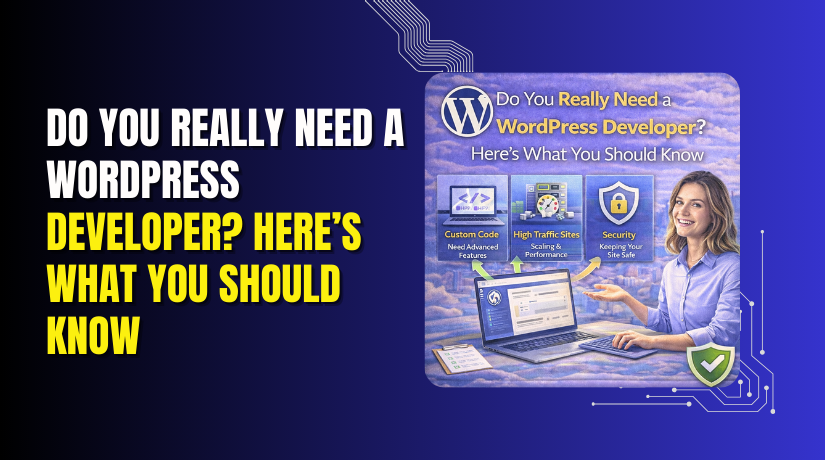
Do You Really Need a WordPress Developer? Here’s What You Should Know
Table of Contents
- Introduction: What Does a WordPress Developer Do?
- DIY WordPress Website: Is It a Good Option?
- Why Hiring a WordPress Developer Might Be Necessary
- The Cost of Hiring a WordPress Developer
- Finding and Hiring the Right WordPress Developer
- Conclusion
Introduction: What Does a WordPress Developer Do?
A WordPress developer is a professional responsible for building and maintaining WordPress websites. They are skilled in various aspects of WordPress, such as theme and plugin development, website optimization, and troubleshooting. WordPress is an incredibly powerful and flexible platform, but to unlock its full potential, sometimes you need expert help. This is where a WordPress developer comes in.
- WordPress Development Services
WordPress development services encompass a wide range of tasks that make your website functional, user-friendly, and secure. These services typically include:
- Theme Development and Customization: A WordPress developer creates or customizes themes to suit your specific needs. This ensures that your website reflects your brand and is fully responsive on all devices.
- Plugin Integration and Customization: Plugins are essential to extend the functionality of a WordPress site. Developers know how to integrate and customize plugins to add features like contact forms, social sharing buttons, or SEO tools.
- E-commerce Integration: For online stores, a WordPress developer can integrate e-commerce platforms like WooCommerce. This helps you set up product catalogs, shopping carts, and payment gateways.
- Security Management: Developers ensure your website is safe from malware, hacking attempts, and other security threats. They implement best practices like regular updates, firewalls, and secure login systems.
- Performance Optimization: A good developer optimizes your website’s speed, ensuring it loads quickly. They implement caching, image optimization, and other techniques to improve site performance.
- WordPress Developer vs DIY
Many website owners wonder whether they should hire a WordPress developer or go the DIY route. It’s important to understand the difference:
- DIY WordPress Website: If you have basic technical knowledge, you may opt to build your WordPress website yourself. You can use pre-designed themes and plugins to create a functional site. However, this approach has limitations. You might struggle with customization or encounter performance issues that you cannot easily resolve.
- WordPress Developer: Hiring a developer brings expertise to the table. Developers can tailor every aspect of your site to meet your business needs. They handle complex tasks like custom coding, database management, and troubleshooting. Their expertise ensures a high-quality, professional website.
In many cases, especially for business websites or sites requiring advanced functionality, hiring a WordPress developer is the better option.
- When Should You Hire a WordPress Developer?
There are several situations where hiring a WordPress developer is a must. Here are some signs you may need a professional:
- Custom Functionality: If your website needs a feature that isn’t available through pre-built themes or plugins, a developer can create custom solutions.
- Design and Branding Needs: If you want a unique, professional design that sets you apart from competitors, a developer can build a custom theme.
- Troubleshooting Complex Issues: WordPress websites can encounter errors that are difficult for non-developers to resolve. A WordPress developer can quickly diagnose and fix these issues.
- Scalability: As your business grows, your website may need to scale. A developer can ensure your site can handle increased traffic and more complex functionality.
In these cases, hiring a WordPress developer ensures that your website is professionally built and maintained.
DIY WordPress Website: Is It a Good Option?
Building a WordPress website yourself can seem like an appealing idea. With an abundance of themes, plugins, and tutorials available, many people believe they can handle the job without needing a WordPress developer. However, before diving into a DIY WordPress project, it’s essential to weigh the pros and cons.
- Pros of a DIY WordPress Website
Creating a WordPress website on your own has several benefits. If you’re comfortable with technology and enjoy learning, a DIY approach can be a rewarding experience. Here are some key advantages:
- Cost-Effective: One of the biggest advantages of building your own WordPress website is the cost savings. Without paying for a developer, you can save hundreds or even thousands of dollars, depending on your project.
- Full Control: When you build your own site, you have complete control over the design, content, and functionality. You can make changes quickly and don’t have to rely on anyone else.
- Flexibility: You can experiment with different themes, plugins, and settings to create a website that reflects your vision. The ability to tweak and customize without waiting for a developer gives you more flexibility.
- DIY WordPress Website Tips
For those who choose to go the DIY route, there are a few tips and tools that can help streamline the process and ensure your website meets basic standards:
- Choose a Good Theme: Pick a well-designed, responsive theme from reputable sources. Many free themes are available, but premium themes often come with more features and better support.
- Use Plugins Wisely: Plugins can add functionality, but be selective. Too many plugins can slow down your website. Choose only the essential plugins that meet your needs.
- Learn Basic CSS and HTML: While WordPress is user-friendly, knowing a little CSS or HTML can go a long way when it comes to customization.
- Optimize for Speed: A slow website will drive visitors away. Use caching plugins and optimize your images to improve load times.
- Focus on SEO: Use an SEO plugin like Yoast SEO to optimize your website for search engines. This will help your website rank higher and reach a wider audience.
- Challenges of Building a DIY WordPress Website
While the DIY approach can work well for simple websites, it can be a challenge if your project requires more advanced features. Here are some of the difficulties you might face:
- Customization Limitations: Pre-built themes and plugins have limitations. If you need a feature that isn’t supported, it may require custom coding, which can be complex without a developer’s skills.
- Time-Consuming: Building a website from scratch, even with WordPress, can take time. From researching themes and plugins to learning how to customize them, the process can be more time-consuming than you expect.
- Technical Issues: As you add more content and functionality, your website might run into issues like slow performance, plugin conflicts, or broken links. Troubleshooting these problems can be overwhelming without technical knowledge.
- Security Risks: Security is crucial for any website. As a DIY builder, you might overlook security measures such as regular updates, secure login practices, and backups, leaving your site vulnerable to attacks.
- DIY vs Hiring a Developer
Ultimately, the decision to DIY your WordPress website depends on your needs and expertise. If you’re comfortable with technology and have a basic understanding of web design, DIY might be a good option for a simple site. However, if your website requires more advanced features, design, or long-term maintenance, hiring a WordPress developer can save you time and frustration.
While DIY WordPress website tips can help you get started, remember that a WordPress developer brings valuable expertise that can make a significant difference in the quality and performance of your website. Consider the complexity of your site, your goals, and the time you’re willing to invest before making your decision.
If you’re unsure, consulting with a WordPress website help service or getting professional advice can be a great way to ensure you’re making the best decision for your online presence.
Why Hiring a WordPress Developer Might Be Necessary
As you build your website or online business, you may find that the DIY approach is no longer sufficient. While creating a website on your own might work for basic projects, there are many situations where hiring a WordPress developer becomes essential. A developer brings specialized expertise to the table that ensures your website performs well, looks professional, and meets your business needs.
- Custom Functionality Requirements
One of the primary reasons to hire a WordPress developer is when you need custom functionality. WordPress offers numerous plugins, but they may not always meet your exact needs. Whether you need a unique feature or custom coding, a developer can help create a tailored solution.
- Custom Themes: If you want a theme that matches your brand perfectly, a developer can create a custom design rather than using a pre-made theme.
- Custom Plugins: Some websites require functionality that standard plugins cannot provide. A developer can build a custom plugin to add features like booking systems, custom forms, or advanced e-commerce options.
- Database Customization: If your website needs custom databases for handling large amounts of data, such as a product catalog or user profiles, a developer can set that up seamlessly.
When your website needs specific features that aren’t available off-the-shelf, a WordPress developer ensures it runs smoothly with custom-built solutions.
- Complex Design and Layout Needs
If your site’s design requires advanced layouts or animations, hiring a developer is often the best choice. WordPress offers many themes that are easy to use, but they can have limitations when it comes to complex or unique design requirements.
- Custom Design Elements: If you want unique design elements such as custom header designs, animations, or page layouts, a developer can create them from scratch.
- Responsive Design: A WordPress developer ensures your site looks good on all devices. They can create a fully responsive website that adapts to different screen sizes and resolutions.
A professional developer ensures that your design is both visually appealing and functionally effective, meeting the needs of all users across various devices.
- Troubleshooting and Technical Issues
WordPress websites can encounter errors that are difficult to resolve without technical knowledge. Issues like slow load times, plugin conflicts, and broken links can significantly affect the user experience. A WordPress developer can identify and fix these issues quickly.
- Diagnosing Errors: If your website is experiencing technical problems, a developer can use debugging tools to identify the root cause.
- Fixing Speed Issues: Websites that load slowly can cause visitors to leave. A developer can optimize your website’s performance, from compressing images to improving server-side code.
- Plugin Conflicts: Sometimes, plugins may not work together, causing issues with your website. A developer can resolve these conflicts and ensure smooth integration.
Hiring a developer to handle technical problems helps you focus on growing your business while your website remains fully functional.
- Security and Maintenance
Security is crucial for any website, especially if you handle sensitive customer data or run an online store. WordPress websites are often targeted by hackers, so keeping your site secure is a top priority. A WordPress developer can ensure your site is protected from potential threats.


- Regular Updates: Developers ensure that your WordPress core, themes, and plugins are updated regularly to patch security vulnerabilities.
- Backup Systems: A developer can set up automated backups, ensuring that your website data is protected and can be restored in case of a crash.
- SSL Integration: SSL certificates are essential for encrypting data and providing secure transactions. A WordPress developer can install and configure SSL certificates on your website.
By handling your site’s security, a developer provides peace of mind and protects your website from potential threats.
- Scalability and Growth
As your website grows, its needs will change. A WordPress developer helps ensure that your site can scale efficiently to accommodate more traffic, products, or features.
- Optimizing for Traffic: As your website gains more visitors, a developer can ensure it can handle increased traffic without slowing down or crashing.
- Adding New Features: If you need to add new features, such as additional payment gateways, membership areas, or interactive tools, a developer can implement them seamlessly.
- Expanding E-commerce Capabilities: For e-commerce websites, scaling involves integrating additional payment methods, shipping options, and inventory management systems.
A developer ensures that your website grows with your business, providing the flexibility to add new features and handle higher traffic levels.
The Cost of Hiring a WordPress Developer
When considering whether to hire a WordPress developer, cost is an important factor. Understanding the potential expenses involved can help you decide if it’s worth the investment. Hiring a developer can be a significant expense, but it often provides excellent value in terms of website performance, security, and growth potential.
- Breakdown of Developer Costs
The cost of hiring a WordPress developer can vary based on several factors, such as the complexity of the project, the developer’s experience, and the location. Generally, the costs are either hourly or project-based.
- Hourly Rates: Developers usually charge by the hour. Rates can range from $25 to $150 per hour, depending on their experience and expertise.
- Project-Based Fees: For larger projects, developers may offer a flat rate. For example, custom theme development or a full website redesign might cost between $1,500 and $5,000 or more.
The cost is often higher for projects requiring more advanced skills or for experienced developers with a proven track record.
- Factors Influencing the Cost
Several factors can influence the total cost of hiring a WordPress developer. These include:
- Project Complexity: A simple blog or informational website will cost less than an e-commerce site or a custom-built solution. More complex features such as custom plugins, membership systems, or integrations with third-party services will increase the cost.
- Developer’s Experience: Experienced developers or agencies charge higher rates, but they can often complete tasks faster and with fewer errors. If you choose a less experienced developer, you might save money upfront, but it could lead to more revisions and longer timelines.
- Location: Developer rates vary by region. For example, developers in North America or Europe tend to charge more than those in Asia or Eastern Europe.
- Value and ROI of Hiring a Developer
While hiring a WordPress developer can be expensive, it provides valuable benefits that can justify the cost. Here’s how:
- Time Savings: A professional developer can work more quickly and efficiently. What might take you weeks to learn and implement could be completed in a few days or hours by an expert.
- High-Quality Results: Hiring a developer ensures your website is functional, secure, and optimized. This can improve your website’s user experience and conversion rates, leading to higher revenue for businesses with online stores.
- Long-Term Savings: A well-built website requires less ongoing maintenance. A professional developer ensures your site runs smoothly, reducing the chances of costly issues in the future.
- WordPress Website Help: Why It’s Worth It
While the upfront cost of hiring a developer might seem high, it often pays off in the long run. A WordPress developer can help you avoid common pitfalls and make your website more successful. Investing in professional help ensures your website is built to last, with a strong foundation for future growth.
In addition, developers can provide WordPress website help after the project is completed, offering ongoing support, security updates, and troubleshooting. This peace of mind is invaluable, especially for businesses that rely on their website to generate income.
Finding and Hiring the Right WordPress Developer
Hiring the right WordPress developer is crucial to the success of your website. Whether you’re building a simple blog or a complex e-commerce site, choosing the right developer can make a big difference. Here’s how to find the best fit for your needs.
- Understand Your Needs
Before you start searching for a developer, clearly define your project’s requirements. Consider the following:
- Scope of Work: Do you need a custom theme, plugin development, or ongoing maintenance?
- Budget: How much can you afford to spend on a WordPress developer? Having a clear budget will help narrow down your options.
- Timeline: What is your expected deadline? Be realistic about how much time the project will take.
Once you have a clear idea of your project, you can better evaluate potential developers.
- Where to Find WordPress Developers
There are several places where you can find WordPress development services:
- Freelance Platforms: Websites like Upwork, Freelancer, and Fiverr are great places to find freelancers with varying levels of expertise.
- Agencies: If you need a team of developers, a WordPress development agency might be a better option. Agencies often have more resources to handle larger projects.
- Job Boards: You can post your job requirements on job boards like We Work Remotely, or LinkedIn to attract developers.
- How to Evaluate Developers
When you have a list of potential candidates, it’s time to evaluate them. Here’s how:
- Review Portfolio: Look at their past projects to see if their style matches your needs.
- Check References: Ask for client testimonials or references to ensure they are reliable and professional.
- Interview: Speak with the developer to gauge their communication skills and expertise. A good developer should be able to explain technical concepts clearly.
- Contract and Agreement
Once you’ve found the right developer, make sure to draft a contract. The contract should include:
- Scope of work: Detailed description of tasks.
- Timeline: Expected deadlines for milestones and final completion.
- Payment terms: Clear pricing and payment schedule.
By following these steps, you can hire the right WordPress developer who fits your needs, budget, and project goals.
Conclusion
In conclusion, deciding whether to hire a WordPress developer depends on the complexity of your project and your own technical skills. While a DIY approach may work for basic websites, hiring a professional ensures your site is built to meet your business goals, performs optimally, and is secure. Whether you need custom features, design, or ongoing maintenance, a developer can save you time and effort. If you’re ready to take your website to the next level, professional help is just a step away.
For reliable and expert WordPress development services, trust the team at WooHelpDesk. Our experienced developers can help you create and maintain a website that meets your needs and exceeds expectations. Contact us today to get started!