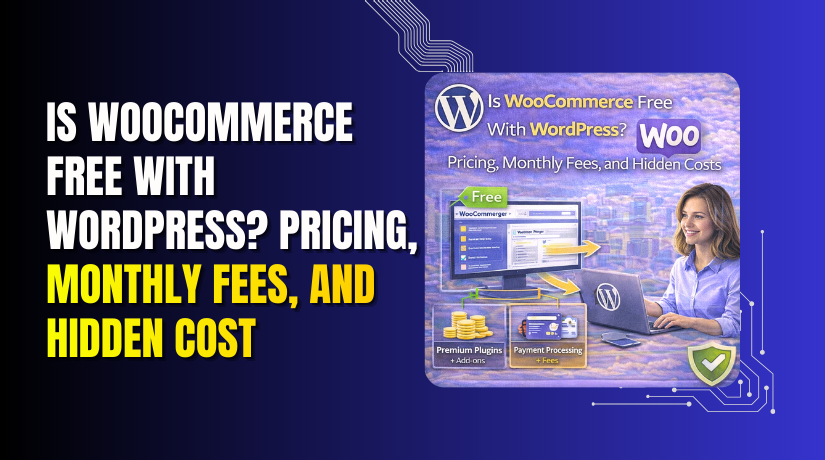
Is WooCommerce Free With WordPress? Pricing, Monthly Fees, and Hidden Cost
Table of Contents
- Introduction: Is WooCommerce Free With WordPress?
- Is WooCommerce Free? What You Actually Get at $0
- The Difference Between WooCommerce Plugin Cost and Store Operating Cost
- WooCommerce Cost Breakdown for USA Stores
- Does WooCommerce Charge Monthly Fees? The Clear Answer
- Security, Backups, and Performance Tools Become Necessary
- WooCommerce Extensions Cost: Where Most Businesses Spend Money
- WooCommerce Free vs Paid: When Paid Becomes Worth It
- Conclusion
Introduction: Is WooCommerce Free With WordPress?
Many beginners ask, is WooCommerce free with WordPress or not. The short answer is yes, the WooCommerce plugin is free. You can install it on a WordPress site without paying. But a real store still needs tools and services. Those extras create your total budget over time. So when people ask is WooCommerce free, they often mean overall store cost. This guide starts with the clear truth. WooCommerce is free to use, but running it is not always free. Your final spend depends on your store goals. It also depends on your setup choices and needed features. If you sell in the USA, you may need extra help. Taxes, shipping, and payments can add costs quickly. Still, you can start small and grow safely. You just need to plan costs early. That avoids surprise bills later. It also helps you choose the right tools.
Is WooCommerce Free? What You Actually Get at $0
WooCommerce is a free plugin you add to WordPress. After install, you can build a basic store fast. You do not pay WooCommerce to activate core features. This is why woocommerce free vs paid is a common search. The free version covers the store foundation. It lets you sell products and take orders. It also includes a working cart and checkout. For many new stores, this is enough to launch.
Core Free Features Included in WooCommerce
Here is what you can use without paying anything:
- Add simple products and product categories easily.
- Set product prices, images, and short descriptions quickly.
- Use a cart, checkout, and order confirmation pages.
- Manage orders, customers, and basic store settings.
- Create basic coupons for simple discount offers.
- Set basic shipping zones and flat shipping rates.
- Enable stock tracking for products and low stock alerts.
These features explain why people say WooCommerce is free. They also show how you can start selling quickly. If your store is small, free features may work well. But many stores grow and need more control.
What “Free” Does Not Cover in Real Store Setup
Even when is WooCommerce free is true, store costs can appear. These costs are not always obvious at first. They come from running a secure and smooth store.
Common costs you may still need include:
- Hosting plans that support speed and stable checkout.
- A domain name for your store brand and trust.
- SSL for safe payments and browser security warnings.
- Paid tools for taxes, shipping labels, or advanced checkout.
So is WooCommerce free with WordPress is true for the plugin. But your full store budget depends on what you add next.
WooCommerce Pricing Explained: Free Plugin vs Running a Store
Many store owners search woocommerce pricing and expect one fixed price. WooCommerce does not work like a paid SaaS platform. The plugin itself is free to install and use. That is why people keep asking, is woocommerce free. The real cost starts when you run a store. Your store needs hosting, a domain, and payment tools. It may also need extra features for growth. So woocommerce pricing is really your total store budget. It includes the basics plus any add-ons you choose. Think of WooCommerce like a free engine. You still need the full car to drive.
Why “WooCommerce Pricing” Feels Confusing for Beginners
WooCommerce is part of the WordPress ecosystem. WordPress is free, but services around it cost. New users often mix plugin price with store cost. They see paid themes and tools and think WooCommerce charges. This leads to another common question. People ask, does woocommerce charge monthly fees. The answer is simple. WooCommerce does not charge you a monthly platform fee. But other services you choose can be monthly.
Here is why the confusion happens:
- Hosting companies sell plans with monthly billing cycles.
- Many extensions renew yearly, but look like subscriptions.
- Payment gateways charge fees per transaction and payout.
- Advanced features are often paid through add-ons.
This is where woocommerce free vs paid becomes important. Free covers the base store system. Paid covers extra power, automation, and advanced control.
The Difference Between WooCommerce Plugin Cost and Store Operating Cost
To understand woocommerce cost, separate these two ideas clearly. First, WooCommerce plugin cost is zero dollars. Second, store operating cost depends on your setup. It can be small or it can be large. A simple store selling few products can stay low-cost. A WooCommerce store with many needs will spend more.
Store Cost Buckets You Should Plan For
Most WooCommerce store costs fall into a few buckets. These buckets help you estimate real budgets early. They also help you avoid surprise spending later.
Common buckets include:
- Hosting and performance tools for fast store pages.
- Domain and SSL for trust and secure checkout.
- Theme and design work for a clean brand look.
- Payments and transaction fees for card processing.
- Plugins and add-ons for extra store features.
This last bucket is where many budgets grow fast. It is also where woocommerce extensions cost matters most. Extensions add features like subscriptions, bookings, and shipping tools. Some are free, but many are paid. Your final woocommerce pricing depends on which extensions you need.
The Biggest Cost Drivers You’ll Face First
Most beginners spend money in the same few places first. These costs show up soon after launch planning. They are not always “hidden,” but they surprise new users.
The first cost drivers usually include:
- Reliable hosting that can handle checkout traffic safely.
- A premium theme, if free themes feel too limited.
- A few paid add-ons for shipping, tax, or payments.
Once you know these drivers, planning gets easier. You can start lean and upgrade only when needed.
WooCommerce Cost Breakdown for USA Stores
The real woocommerce cost depends on how you build. Some stores run lean with basic needs only. Other stores need speed, security, and special features. In the USA, store owners also handle taxes and shipping rules. That can raise your total budget faster. This section explains the main cost areas clearly. It also helps you plan woocommerce pricing the smart way.
Website Basics That Impact WooCommerce Cost
Every WooCommerce store needs a few basic website items. These are not WooCommerce charges or platform fees. They are normal website costs you pay to run online. If you skip the basics, your store can feel slow. It can also look less trusted to new buyers.
1) Domain Name Cost
A domain is your store address on the web. It builds brand trust and helps customers remember you. Most domains are paid yearly, not monthly. Choose a simple domain that matches your store name.
2) Hosting Cost
Hosting is where your WordPress store lives online. Hosting affects speed, uptime, and checkout success. A weak host can cause cart and payment issues. A better host can reduce support problems later.
Common hosting choices include:
- Shared hosting for small stores and low traffic.
- Managed WordPress hosting for better speed and support.
- VPS hosting for more control and stronger performance.
Hosting can feel like a monthly bill. This is why many ask, does woocommerce charge monthly fees. WooCommerce does not charge monthly fees itself. Your host is the one billing you monthly or yearly.
3) SSL Certificate Cost
SSL keeps checkout data safe during payment. It also removes browser “Not Secure” warnings. Many hosts include SSL for free in plans. Some stores still buy SSL for special needs.
Theme and Design Cost Options
Your theme controls how your store looks and feels. It also impacts mobile shopping and product page layout. A good design helps customers trust your store quickly. It can also improve sales and reduce bounce rates.
Free Themes
Free themes can work for simple stores and test launches. They often have fewer layout options and fewer style controls. They are best when you need a clean, basic store.
Premium Themes
Premium themes usually offer better layouts and support. They may include extra shop features and design blocks. This fits stores that want a strong brand look fast.
Custom Design Work
Custom design is helpful for unique brand needs. It is also helpful for special product display rules. Many USA stores choose this after early growth.
Here is how design spending usually works:
- Free theme to start with basic layouts.
- Premium theme when you want better style options.
- Custom work when you need unique pages and branding.
This is where woocommerce free vs paid becomes real. The core plugin is free, but the store look may cost. Planning these basics early keeps your woocommerce cost under control.
Does WooCommerce Charge Monthly Fees? The Clear Answer
Many beginners worry about recurring platform bills. They ask, does woocommerce charge monthly fees to sell products. The clear answer is no, WooCommerce does not charge you monthly. The plugin is free to install and keep using. That is why searches like is woocommerce free stay popular. However, running a store includes services that renew monthly. Those renewals create the feeling of a “WooCommerce monthly fee.” In reality, the monthly costs come from other providers. WooCommerce is not the one billing you each month. Your total woocommerce cost depends on what you add.
Why People Think WooCommerce Has Monthly Fees
WooCommerce stores run on WordPress, hosting, and add-ons. Many of these tools charge monthly or yearly renewals. So store owners connect those charges to WooCommerce. This is common when people compare woocommerce free vs paid. Free means the plugin cost is zero dollars. Paid usually means your store stack has paid services.
Here are the top reasons the monthly fee idea happens:
- Hosting plans often bill monthly for server resources.
- Email services bill monthly for store messages and updates.
- Security tools charge monthly for active protection and scans.
- Performance tools bill monthly for speed and global delivery.
- Some paid plugins renew yearly, but show monthly breakdowns.
So woocommerce pricing is not a single fixed number. It is a mix of tools that support your store daily.


Common Monthly Costs That Support a WooCommerce Store
You can run WooCommerce with low spending at first. But most serious stores choose a few monthly tools. These tools help the store run smooth and safely. They also reduce cart drops and payment errors.
Ongoing Costs You May See Each Month
These are common services that can add monthly cost:
- Hosting: Better speed and stable checkout during traffic spikes.
- Backups: Regular backups protect orders and customer data.
- Security: Firewall and malware checks reduce hacking risks.
- Email delivery: Helps order emails reach inbox, not spam.
- Speed tools: Caching or CDN options improve page load times.
Not every store needs all these on day one. A small shop can start with basics only. But growth often makes these tools worth the price.
How to Keep Monthly Spending Under Control
You can reduce hidden costs of woocommerce with smart choices. Focus on what helps sales and avoids store downtime. Add tools only when you feel real limits.
Use these simple cost control tips:
- Start with strong hosting, then add tools slowly.
- Avoid buying many plugins with the same features.
- Pick trusted tools with updates and clear support.
- Review renewals every year and remove unused services.
WooCommerce stays free, but your store stack may grow. This is the real meaning of woocommerce cost for most stores.
Hidden Costs of WooCommerce Most Beginners Miss
Many store owners learn this lesson after launching. The plugin is free, but running a store adds costs. These extra bills are the hidden costs of woocommerce for most beginners. They are not secret charges from WooCommerce itself. They come from tools and services your store needs. If you plan early, you can avoid budget shocks later. This section explains common surprises for USA store owners. It also helps you understand real woocommerce cost planning.
Payment Processing Fees Are Not WooCommerce Fees
A big cost comes from taking card payments online. Payment companies charge a fee per sale transaction. This fee is not part of woocommerce pricing from the plugin. It is a normal cost of doing online business. The fee is often a percentage plus a small fixed amount. The exact fee depends on your payment provider and card type.
These fees can feel small per order at first. But they add up when your sales grow. They also affect your profit on low-cost items. If your margins are tight, plan this carefully.
You should plan for:
- Card processing fees on every successful order.
- Chargeback fees when customers dispute a payment.
- Currency conversion fees if you sell outside the USA.
- Payout or transfer rules that affect cash flow timing.
This is why people ask, does woocommerce charge monthly fees. They see payment fees and assume WooCommerce charges them. The truth is simple. Payment companies charge those fees, not WooCommerce.
Taxes, Invoices, and Compliance Tools Add Cost
USA sales tax rules can be confusing for beginners. Many states have different rules and rates. Some stores need automated tax tools to stay accurate. This is one of the most common hidden costs of woocommerce.
You may need extra help for:
- Automatic tax calculations by state and product type.
- Tax reports that make filing easier and faster.
- Address checks to reduce wrong tax charges.
- Invoice tools for B2B customers and wholesale orders.
Some store owners handle taxes manually early. That can work for small product lists and low sales. But manual work becomes risky as orders grow. A small tax mistake can create bigger problems later. So tax tools become part of your real woocommerce cost over time.
Security, Backups, and Performance Tools Become Necessary
Many new store owners focus only on design and products. They forget security and backups until a problem hits. A hacked store can lose trust and revenue quickly. A broken update can stop checkout and orders. This is why smart stores invest in protection early.
Common tools that add cost include:
- Firewall protection that blocks bad traffic and attacks.
- Malware scanning that finds harmful files before damage spreads.
- Daily backups that restore your store after an error.
- Speed tools that improve load time for product pages.
- Uptime checks that alert you when the site goes down.
These tools support stable checkout and a better user experience. They also reduce downtime and lost sales. Even if is woocommerce free, your store still needs protection.
Maintenance and Fix Costs Often Surprise Store Owners
A WooCommerce store uses WordPress, themes, and plugins together. Updates can sometimes cause conflicts and site issues. Fixing those issues can cost time or money. Many beginners do not plan for this cost.
Maintenance costs often come from:
- Plugin conflicts that break cart, checkout, or shipping.
- Theme updates that change page layouts or styles.
- Slow site issues caused by heavy plugins or bad hosting.
- Emergency support when checkout stops working suddenly.
This is where woocommerce free vs paid becomes a business choice. You can stay free on tools, but fixes may cost later. Planning a small support budget can protect your revenue. It also keeps your store stable during growth.
WooCommerce Extensions Cost: Where Most Businesses Spend Money
WooCommerce starts free, but stores often need extra features. These extra features usually come from add-ons and plugins. That is where woocommerce extensions cost becomes a big topic. Extensions help you add new store functions without custom coding. They can improve checkout, shipping, and customer experience fast. Many store owners first ask, is woocommerce free. Later, they ask why their store budget keeps growing. The answer is usually extensions and paid tools. This is a normal part of woocommerce pricing for growing stores.
What Extensions Are and Why They Matter
Extensions are feature add-ons for WooCommerce stores. They connect new functions into your store system. Some extensions are built by WooCommerce partners. Many others are built by trusted plugin developers. They matter because every store has different needs. A clothing store needs size options and returns tools. A subscription store needs recurring billing features. A large store needs advanced shipping and inventory tools.
Common reasons people buy extensions include:
- Better payment options and smoother checkout steps.
- Live shipping rates and label printing support.
- Subscriptions, memberships, bookings, or deposits features.
- Product add-ons like gift wrapping and custom fields.
- Marketing tools for email, popups, and cart recovery.
This is the real line between woocommerce free vs paid. Free WooCommerce gives the base store engine. Paid extensions give advanced control and automation.
How WooCommerce Extensions Cost Is Usually Charged
Most extension pricing follows a few common models. Understanding these models helps you plan real woocommerce cost. It also reduces surprise renewals after your first year.
The most common pricing patterns are:
- Yearly license renewals for updates and support access.
- Per-site licenses that cost more for multiple stores.
- Tiered plans based on features, usage, or order volume.
- One-time purchases for limited plugins, not very common now.
Many store owners forget about renewals during setup. Then they see a bill after 12 months. This is why budgeting for woocommerce pricing should include renewals. Renewals matter because updates keep your store secure. They also keep plugins compatible with new WooCommerce versions.
WooCommerce Free vs Paid: When Paid Becomes Worth It
You can run a basic store without paid tools. But paid upgrades can save time and reduce errors. They also help you scale without breaking your store. The question is not “must I pay.” The question is “what should I pay for now.”
A Simple Decision Guide for Store Owners
Paid tools become worth it when you hit real limits. Those limits show up as lost time or lost sales. Use this simple guide to decide.
Choose paid tools when you need:
- Faster checkout with fewer steps and better trust signals.
- Advanced shipping rules, live rates, or label printing.
- Automated tax tools for multi-state USA sales.
- Subscriptions, bookings, memberships, or deposits features.
- Better reporting and automation for growing order volume.
This helps you control hidden costs of woocommerce. You invest in tools that solve real problems. You avoid buying plugins that add no clear value.
Conclusion
So, is woocommerce free with wordpress? Yes, the plugin is free. WooCommerce does not charge a platform monthly fee. That answers, does woocommerce charge monthly fees clearly. But your total woocommerce cost depends on hosting, payments, and add-ons. Many real expenses come from woocommerce extensions cost and renewals. The best approach is to start lean and upgrade as needed. If you want help planning your store budget, WooHelpDesk can help. We can guide setup, improve speed, and secure your checkout. We also fix plugin issues and reduce ongoing costs.