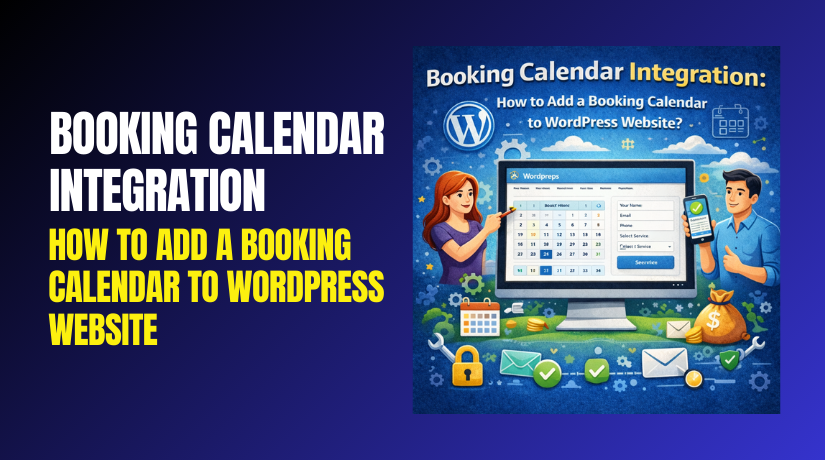
Booking Calendar Integration: How to Add a Booking Calendar to WordPress Website?
Table of Contents
- Introduction
- What Is a Booking Calendar In WordPress?
- Uses of a Booking Calendar for Website Owners and Visitors
- Before You Start: Decide the Exact Booking Type You Need
- Features Checklist Before You Choose a Booking Plugin
- How to Add a Booking Calendar to Your Website (Step By Step)
- Common Problems and Quick Fixes for Booking Calendar Integration
- Conclusion
Introduction
A booking calendar helps visitors schedule time with you online. It removes phone calls and long email threads quickly. Many businesses now need faster booking on their websites. A booking calendar for website users improves customer experience instantly. It also helps you manage time with less manual work. This guide explains the basics in a simple way. You will learn how a calendar supports bookings and scheduling. You will also understand what to set up first. By the end, you will know the core concept clearly.
What Is a Booking Calendar In WordPress?
An online booking calendar is a tool that shows available slots. Visitors pick a date and time from your schedule. They then fill a short form to confirm booking. This creates a smooth website booking system for daily use. The system saves the booking and blocks that time slot. It can also send confirmation emails to the customer. Many tools also send alerts to the site owner. Some setups allow payments for appointments or services. Others support free bookings with quick confirmations.
A booking calendar can work in many website types. Most people use a plugin on WordPress websites. Some use hosted tools and embed them as a widget. In both cases, the goal stays the same. You want customers to book without any confusion. When you add booking calendar to a website, you reduce missed leads. You also make your business look more trusted.
Uses of a Booking Calendar for Website Owners and Visitors
A booking calendar makes your website more useful and active. It helps visitors book services without calling your team. This saves time for you and your customers daily. A booking calendar for website use improves trust and conversions. It also keeps your schedule organized with less effort. When you add booking calendar to website, bookings feel simple and quick. This creates a smoother website booking system for your business.
Accept Bookings 24/7 Without Calls or Delays
Customers can book anytime, even after business hours. They do not need to wait for a reply. An online booking calendar works day and night without breaks. This helps you capture leads when competitors are offline. It also supports people in different time zones easily. With booking calendar integration, availability stays updated automatically.
Reduce Back-and-Forth and Save Support Time
Without a calendar, scheduling needs many messages and follow-ups. Customers ask for slots and you confirm them manually. This wastes time and increases the chance of mistakes. A calendar shows slots clearly and avoids repeated questions. Your website booking system handles scheduling in a clean flow. When you add booking calendar to website, the process becomes direct.
Prevent Double Bookings and Keep Your Day Organized
Manual booking often causes double bookings and confusion. A booking calendar blocks slots after a confirmed booking. This keeps your schedule safe and predictable every day. A booking calendar for the website also supports buffer time settings. Buffer time helps you avoid rushed meetings and late starts. With booking calendar integration, your calendar stays accurate and reliable.
Collect Customer Details in One Place for Better Service
A booking form collects key details before the appointment. You can ask for phone, email, and service needs. This helps you prepare better and deliver faster support. It also reduces no-shows because customers feel committed. A strong website booking system keeps records for easy tracking. An online booking calendar also helps you follow up later.
Send Confirmations and Reminders Automatically
Customers like instant confirmation after booking an appointment. The system can send email confirmations within seconds. Many tools also send reminders before the scheduled time. This reduces missed bookings and last-minute confusion. When you add booking calendar to website, reminders improve attendance rates. Good booking calendar integration also alerts your team instantly.
Accept Payments or Deposits for Paid Bookings
Many businesses need payments before confirming a booking. Some calendars allow full payment during the booking process. Others allow deposits to secure the time slot. This helps reduce cancellations and serious time wasters. An online booking calendar with payments feels professional to users. It also makes your website booking system more complete.
Manage Team Schedules When Multiple Staff Handle Bookings
If you have a team, bookings can be assigned automatically. Customers can choose a staff member or get auto assigned. Each staff member can set their working hours separately. This is useful for salons, clinics, and service agencies. A booking calendar for website with staff options scales better. With booking calendar integration, team scheduling becomes easier to manage.
Before You Start: Decide the Exact Booking Type You Need
Before you choose any plugin, define your booking needs clearly. This step prevents wrong settings and future booking issues. It also helps you build a cleaner website booking system. When you add booking calendar to website, the setup must match. The right booking type makes booking calendar integration smoother.
Appointment Booking: Best for One-to-One Time Slot Meetings
Appointment booking works for single meetings with fixed time slots. It fits consultants, coaches, clinics, and service professionals well. You set working hours and offer open time slots. Customers pick one slot and confirm the booking quickly. This setup keeps your day organized with less effort. A simple online booking calendar works best for appointments.
Service Booking: Best for Multiple Services With Different Durations
Service booking is useful when you offer many service types. Each service can have its own time and price. You can also add buffer time between service sessions. This helps avoid delays and keeps the schedule realistic. It fits salons, agencies, repair services, and home visits well. A booking calendar for website should support service rules properly.
Class or Group Booking: Best for Sessions With Limited Seats
Group booking works when many people join one time slot. You set a seat limit and stop bookings when full. This helps you avoid overbooking and crowd issues. It fits yoga classes, workshops, training sessions, and tours. A good website booking system should support capacity settings. This type also needs clear time and date display.
Rental Booking: Best for Daily or Multi-Day Booking Needs


Rental booking is different from normal time slot bookings. It uses check-in and check-out dates for availability. It fits rooms, vehicles, equipment, and venue rentals well. The calendar must block dates based on rental duration. It should also handle full-day booking and pricing rules. When you add booking calendar to website, rentals need special logic.
Features Checklist Before You Choose a Booking Plugin
Use this checklist to pick the right tool for your needs. It helps you avoid missing features after setup. It also improves long-term booking calendar integration results.
- Time slots and calendar views should be easy to understand.
- Custom form fields should collect details you really need.
- Working hours and breaks should be simple to set.
- Buffer time should support travel and reset between bookings.
- Cancellation and reschedule rules should be clear and editable.
- Payment options should support full payment or small deposits.
- Email alerts should confirm bookings for you and customers.
- Time zone settings should match your target customer location.
- Google Calendar sync should help prevent double booking issues.
- Staff support should exist if multiple team members take bookings.
How to Add a Booking Calendar to Your Website (Step By Step)
A plugin is the simplest way for most WordPress websites. It adds an online booking calendar without custom coding work. You can build a clean website booking system in less time. You also get better control over time slots and rules. Follow these steps to add booking calendar to website correctly. Each step improves booking calendar integration and reduces future issues.
Step 1: Choose the Right Plugin for Your Booking Type
Start by matching the plugin with your booking needs. Some plugins focus on appointments with simple time slots. Some support services, staff, and long booking rules. Others support rentals with day-based availability logic. Check if it supports your required features and payments. Also check ratings, updates, and support response time. A good booking calendar for website must stay stable long term.
Step 2: Install and Activate the Plugin from WordPress Dashboard
- Go to your WordPress dashboard and open the Plugins section.
- Click Add New and search the plugin name carefully.
- Install it and click Activate after installation completes.
- Open the plugin settings page from the left menu. This is where booking calendar integration starts in your site.
Step 3: Create Services or Appointment Types With Clear Settings
- Now create the service or appointment option you want.
- Add a name that users can understand quickly.
- Set the duration like 30 minutes or 60 minutes. Add buffer time if you need breaks between bookings.
- If needed, set price or deposit for paid bookings. This builds the core of your website booking system. A clear setup improves the online booking calendar
Step 4: Set Availability Rules and Booking Limits Properly
- Set your working days and your working hours carefully.
- Add lunch breaks and weekly off days in settings.
- Set lead time so users cannot book last minute.
- Set cut-off time to block late night same-day bookings.
- Limit maximum bookings per day to avoid overload.
- These rules keep your booking calendar for website This also improves booking calendar integration with your schedule.
Step 5: Configure Booking Form Fields and Notifications
- Decide what details you want from the customer.
- Keep fields short to reduce drop-offs and confusion. Add only required fields like name, email, and phone.
- Enable confirmation email for customers after successful bookings.
- Enable admin alerts so you never miss a new booking. This makes your website booking system reliable each day. It also makes the online booking calendar feel professional.
Step 6: Add Booking Calendar to Website Page Using Shortcode or Block
- Create a new page like Book Appointment or Schedule a Call.
- Use the plugin block if it supports the editor block. If not, use the plugin shortcode inside the page content.
- Save the page and preview it on desktop and mobile screens.
- Add a menu link and a clear Book Now button too. This step completes how you add booking calendar to website.
Step 7: Test the Full Booking Flow Before Publishing Live
- Test booking like a real customer from start to finish.
- Check time slots, form fields, and confirmation messages. Confirm emails arrive in inbox and not in spam folder.
- Test the same flow on mobile and different browsers. This protects your booking calendar for website from launch issues.
- It also ensures smooth booking calendar integration
Common Problems and Quick Fixes for Booking Calendar Integration
Even a good plugin can show issues after setup. Most problems happen due to settings or plugin conflicts. These fixes help your booking calendar integration run smoothly again. Use each fix step-by-step and test after every change. This keeps your website booking system stable and reliable.
Booking calendar is not showing on the page after embedding
This happens when the shortcode or block is placed wrong. It can also happen due to page builder conflicts. First, open the page and confirm the shortcode is correct. If you used a block, remove it and add again. Clear your site cache and browser cache after changes. Disable minify options in cache plugins for quick testing. This helps the booking calendar for website display properly again.
Time slots are showing wrong time or wrong date
Wrong time slots usually come from time zone settings mismatch. Check WordPress time zone under Settings and General. Then check the plugin time zone setting inside its options. If you use Google Calendar sync, check that time zone too. Save settings and test booking from an incognito browser window. This keeps your online booking calendar accurate for visitors.
Booking button works but bookings are not getting saved
This can happen due to caching, security rules, or blocked requests. First, disable caching for the booking page using exclusions. If you use a security plugin, allow the booking form endpoints. Also check if your hosting firewall blocks repeated form requests. Try disabling one plugin at a time and test again. This helps your website booking system store bookings correctly.
Confirmation emails are not sending to customers or admin
Email issues are common on WordPress websites without proper SMTP. Many hosts block the default PHP mail for security reasons. Install an SMTP plugin and connect it with your email service. Send a test email from the SMTP plugin settings page. Also check spam and promotions folders for delivered emails. Make sure customer email field is required in the form. This improves your booking calendar integration and reduces missed bookings.
Customers can still double book the same time slot
Double booking happens when slot blocking is not enabled. It can also happen when sync settings are not correct. Check plugin settings for slot availability and booking limits. Enable “block slot after booking” or similar option. If you have staff, make sure each staff has separate availability. Enable Google Calendar two-way sync if plugin supports it. This keeps your booking calendar for website consistent and safe.
Payments are failing during booking confirmation step
Payment failures often come from wrong gateway keys or currency mismatch. Recheck your Stripe or PayPal keys in plugin settings. Confirm the site uses HTTPS and has a valid SSL certificate. Check if your payment account supports your chosen currency. Disable checkout page caching because payment pages must stay dynamic. Test payments using sandbox or test mode before going live. This makes your online booking calendar more reliable for paid bookings.
Booking calendar looks broken on mobile devices
Mobile layout issues happen due to theme styling or page builders. Switch to a default theme for testing, like Twenty Twenty-Four. If it works, the issue is theme styling conflict. Reduce extra spacing and disable heavy animations on booking pages. Use the plugin’s built-in layout options if available. Also test with different screen sizes and browsers. This helps you add booking calendar to website with a clean look.
Plugin conflict causes calendar errors or blank booking form
Conflicts happen when two plugins load similar scripts or styles. Common causes include cache, security, and optimization plugins. Disable plugins one-by-one and test the booking page each time. When you find the conflict, exclude the booking page from that plugin. Update WordPress, theme, and booking plugin to latest versions. This improves booking calendar integration and reduces future errors.
Conclusion
A booking calendar makes scheduling easy for you and customers. First choose the correct booking type for your business. Then install a plugin and set services and availability. Add the calendar to a page and test full booking flow. This creates a strong online booking calendar users can trust. It also builds a clean website booking system for daily work. When you add booking calendar to website with correct settings, results improve. Strong booking calendar integration helps you get more bookings with less effort.
WooHelpDesk helps you fix WordPress and WooCommerce issues fast. Get expert support, clear guides, and practical solutions. Improve site speed, security, and sales with trusted help from professionals.