How to Fix “This Site Ahead Contains Harmful Programs” in WordPress
Table of Contents
- What Does “This Site Ahead Contains Harmful Programs” Mean?
- What is Causes “This Site Ahead Contains Harmful Programs
- What Is the Impact of “This Site Ahead Contains Harmful Programs” on Your Website?
- How to Check If Your Website Has Been Compromised
- Why You Should Take Immediate Action to Fix This Issue
- Best WordPress Security Plugins in 2025
- How to Fix “This site ahead contains Harmful Programs” Error in WordPress
- How to prevent the “This site ahead contains harmful programs” warning?
- Conclusion
What Does “This Site Ahead Contains Harmful Programs” Mean?
The phrase “This site ahead contains harmful programs” is a warning shown by Google Chrome and other web browsers. It appears when Google detects that a website may harm users or their devices. This warning is part of the Google Safe Browsing warning system, which scans websites for security threats.
In most cases, this message means your website has been hacked. Harmful code or malware may have been added to your site. This triggers the warning to protect visitors from downloading malicious files or being tricked by phishing scams.
The alert is not random. It usually shows up when malware is detected on a website. That malware could steal data, install viruses, or redirect users to unsafe pages. As a result, Google blocks access and places your site on a list of warnings about unsafe sites.
Sometimes, this warning can also be caused by showing ads from low-quality or unsafe advertising networks. These ads may include links to harmful software. Even if your site is not the source of malware, it can still get flagged if you’re displaying dangerous third-party content.
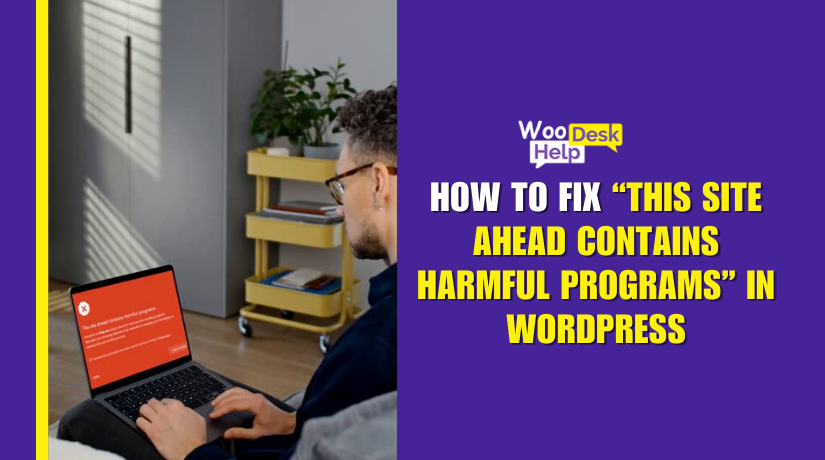
When Google issues this warning, your visitors will see a red screen warning in Google Chrome with a bold message saying the site is dangerous. This is designed to scare users away—and for good reason. It prevents malware from spreading and keeps users safe.
You might also see similar warnings like:
- “The Site Ahead Contains Malware”
- “Deceptive Site Ahead”
- “Website shows deceptive site error”
- “Deceptive Site Ahead Error”
All of these mean the same thing: the website has been flagged as unsafe.
This is especially serious for WordPress site owners. If you’re seeing this error, it’s likely your site has been infected. Hackers may have gained access and inserted malicious scripts. If this happens, you’ll need a deceptive site warning fix for WordPress quickly.
The warning not only affects visitors. It also causes your website to be blacklisted by Google. This means your site may stop showing in search results. Your ads might be paused. Your hosting provider could suspend your account.
Google uses advanced bots to scan websites for malicious activity. If they find something harmful, they flag the site using Google Safe Browsing. Until the malware is removed, the warning stays up.
This is why acting quickly is critical. The longer the warning remains, the more damage it causes—to your traffic, SEO, and reputation.
So when you see the “This site ahead contains harmful programs” message, take it seriously. It means your website is currently unsafe and needs immediate attention.
What is Causes “This Site Ahead Contains Harmful Programs
1. Malware Infection on the Website
One of the main causes is malware infection. If malware is detected on website, Google will show a warning. Malware can be added through hacked plugins, themes, or scripts. Hackers use malware to steal data or redirect visitors. Once found, your site gets blocked with a Google malware warning. It will also display “This site ahead contains harmful programs” to anyone visiting your website.
2. Use of Unsafe Third-Party Ads
Some websites run ads from unknown or low-quality ad networks. These ads may include links to fake or dangerous websites. When visitors click them, they can download viruses or spyware. This leads to the harmful programs site warning from Google. The warning shows up even if the malware is not yours. Google still blocks your site and may mark it unsafe to protect users.
3. Outdated Plugins or Themes in WordPress
Old or poorly coded WordPress plugins are easy to hack. Once hackers gain access, they inject harmful scripts into your site. These scripts are often hidden and hard to find. This is a common trigger for the Deceptive Site Ahead Error. If you’re using WordPress, be careful. It’s important to update plugins often and use only trusted tools to avoid a warning.
4. Suspicious Redirects or Hidden Scripts
Hackers often add redirects or backdoor scripts on a website. These will send visitors to spam or harmful websites. Search engines like Google can detect these actions. They immediately issue the Google safe browsing warning. Once flagged, the site shows “Deceptive site ahead” warning to all users. These hidden codes are one of the top reasons your site gets blocked.
5. Phishing and Fake Login Pages
Some hackers use your website to run phishing scams. They create fake login or payment pages to steal user data. Google quickly identifies these tactics and takes action. It then shows a “Dangerous Site Ahead Warning” in the browser. This kind of attack frequently results in Google blacklisting the website. The longer it stays flagged, the more visitors and trust you lose.
6. Hosting on a Shared Server
Shared hosting can sometimes be risky. If another site on your server is infected, your site could get affected too. Google may not always know which site caused the issue. This may lead to Google unjustly blacklisting your website. unfairly. You’ll still see the “This site ahead contains harmful programs” message. That’s why it’s important to choose a safe and secure hosting provider.
7. Using Null or Pirated Themes and Plugins
Using cracked or pirated WordPress plugins may save money short-term. But these often come with built-in malware or malicious code. Once installed, they infect your site without warning. These tools can bypass WordPress security and inject harmful programs. Google picks up the danger and displays the Deceptive Site Ahead in Chrome or Firefox. Use only official or reliable plugins to be safe.
What Is the Impact of “This Site Ahead Contains Harmful Programs” on Your Website?
1. Significant Drop in Website Traffic
When users see the “This site ahead contains harmful programs” warning, they often leave immediately. This leads to a sharp decline in your site’s traffic. The Google malware warning deters potential visitors, causing them to avoid your site altogether. As a result, your audience diminishes, and engagement metrics suffer, impacting overall site performance.
2. Decline in Search Engine Rankings
Search engines prioritize user safety. When your site is flagged with a harmful programs site warning, it signals to search engines that your site is compromised. Consequently, your website’s rankings can drop, reducing visibility in search results. This decline makes it harder for new users to discover your content, affecting organic growth and reach.
3. Risk of Being Blacklisted by Google
A website blacklisted by Google is removed from search results, drastically reducing organic traffic. Being blacklisted means users won’t find your site through Google searches, and other browsers may also block access. This status severely hampers your site’s accessibility and credibility, making recovery challenging and time-consuming.
4. Erosion of User Trust and Credibility
Encountering a Google safe browsing warning can erode trust in your brand. Users might think your website is hazardous or unprofessional, which would damage its credibility. Rebuilding this trust requires significant effort, as first impressions are crucial, and a security warning can deter even the most loyal visitors.
5. Browser Blocks and Accessibility Issues
Browsers like Chrome and Firefox implement warnings about unsafe sites to protect users. When your site is flagged, users may see messages like “Deceptive Site Ahead in Chrome” or “Deceptive Site Ahead in Firefox”, preventing them from accessing your content. This barrier limits your site’s reach and can frustrate users attempting to visit your site.
6. Decreased Conversion Rates and Revenue
Security warnings can lead to a drop in conversions. Potential customers may abandon purchases or avoid signing up for services due to safety concerns. This hesitation directly impacts revenue streams, as the dangerous site ahead warning discourages users from engaging with your site’s offerings.
7. Time-Consuming and Costly Recovery Process
Addressing the “The site ahead contains malware” error involves a thorough cleanup and security overhaul. The process includes deceptive site ahead error removal, updating security protocols, and requesting a review from Google. This recovery demands time, technical expertise, and potentially significant financial resources, diverting attention from other business operations.
8. Potential Loss of Data and Sensitive Information
A compromised site could allow unauthorized access to sensitive information. This breach can result in data loss or theft, affecting both your business and your users. Ensuring data integrity becomes challenging, and the red screen warning Google displays serves as an alert to potential data security issues.
9. Damage to Brand Reputation
The reputation of your brand can be damaged by a security warning. Negative publicity can result from the rapid dissemination of information about a compromised website. Rebuilding a damaged reputation requires extensive public relations efforts and consistent demonstration of improved security measures to regain user confidence.
10. Increased Vulnerability to Future Attacks
Once your site has been compromised, it may become a target for future attacks. Hackers might exploit existing vulnerabilities, leading to recurring security issues. Implementing robust security measures is essential to prevent repeated incidents and to remove the site flagged by Google Safe Browsing status.
How to Check If Your Website Has Been Compromised
1. Monitor Browser Security Warnings
Step-by-Step:
- Access Your Website: Open your site in various browsers like Chrome and Firefox.
- Identify Alerts: Look for warnings such as “This site ahead contains harmful programs” or “Deceptive Site Ahead.”
- Take Immediate Action: If such warnings appear, it’s a strong indication of potential security issues that need to be addressed promptly.
2. Utilize Google’s Safe Browsing Site Status
Step-by-Step:
- Visit the Tool: Navigate to Google’s Safe Browsing Site Status.
- Enter Your Website URL: Input your site’s address to check its safety status.
- Analyze the Results: If your site is flagged, follow the provided recommendations to resolve the issues.
3. Check Google Search Console for Security Issues
Step-by-Step:
- Log In: Access your Google Search Console account.
- Navigate to Security Issues: Go to the “Security Issues” section to view any detected problems.
- Address Listed Problems: Follow Google’s guidance to resolve any highlighted security concerns.
4. Scan Your Website with External Security Tools
Step-by-Step:
- Choose a Scanner: Use reputable tools like Sucuri SiteCheck.
- Input Your Website URL: Enter your site’s address to initiate a comprehensive scan.
- Review the Findings: Analyze the results for malware or vulnerabilities and take corrective actions as needed.
5. Inspect Website Files for Unauthorized Changes
Step-by-Step:
- Access Server Files: Use FTP/SFTP or your hosting provider’s file manager to view your website’s files.
- Check Modification Dates: Look for recently altered files, especially in core directories.
- Compare with Backups: Cross-reference with previous backups to identify unauthorized changes.
6. Look for Unexpected Redirects or Pop-ups
Step-by-Step:
- Navigate Your Site: Browse through various pages to detect any unsolicited redirects or pop-ups.
- Use Different Devices and Browsers: Test on multiple devices and browsers to ensure consistency.
- Investigate Abnormalities: If unexpected behaviors are observed, inspect your site’s code for injected scripts.
7. Monitor Website Traffic and Performance
Step-by-Step:
- Use Analytics Tools: Employ platforms like Google Analytics to track traffic patterns.
- Identify Anomalies: Look for sudden drops or spikes in traffic, which may indicate security issues.
- Assess Performance Metrics: Monitor page load times and server response rates for irregularities.
8. Review User Accounts for Unauthorized Additions
Step-by-Step:
- Access User Management: Log in to your website’s admin panel and navigate to user accounts.
- Examine Account List: Look for unfamiliar accounts, especially those with administrative privileges.
- Remove Unauthorized Users: Delete any suspicious accounts and change associated passwords immediately.
Why You Should Take Immediate Action to Fix This Issue
Addressing the “This Site Ahead Contains Harmful Programs” warning promptly is crucial to maintain your website’s integrity and user trust. Here’s why immediate action is necessary:
- Protect Visitor Safety
When users encounter a Google malware warning, it indicates potential threats on your site. Malware can compromise visitor data, leading to unauthorized access and data breaches. Ensuring a safe browsing experience is paramount to retain user confidence and prevent harm.
- Prevent Search Engine Blacklisting
A site flagged with a Harmful programs site warning risks being added to Google’s blacklist. This action significantly reduces your site’s visibility in search results, leading to a decline in organic traffic and potential revenue loss.


- Safeguard Your Website’s Reputation
Receiving a Google safe browsing warning can tarnish your brand’s credibility. Visitors may associate your site with security risks, leading to decreased trust and engagement. Maintaining a clean and secure site is essential for preserving your reputation.
- Avoid Hosting Account Suspension
If malware is detected on your website, hosting providers might suspend your account to protect their servers and other clients. This downtime can disrupt your operations and require time-consuming recovery processes.
- Mitigate Financial Losses
A “The site ahead contains malware” error can deter potential customers, directly impacting sales and revenue. Promptly addressing security warnings helps in maintaining business continuity and financial stability.
- Enhance User Experience
Frequent warnings about unsafe sites can frustrate users, leading them to seek alternatives. Ensuring your site is free from harmful programs enhances user satisfaction and loyalty.
- Prevent Further Security Complications
Ignoring a Deceptive Site Ahead Error can allow malware to spread, potentially infecting visitors and other interconnected systems. Early intervention prevents escalation and more complex security issues.
- Maintain Compliance with Security Standards
Addressing issues like the Deceptive site ahead” warning ensures compliance with web security standards and best practices, which is crucial for partnerships and certifications.
Best WordPress Security Plugins in 2025
Ensuring your WordPress website’s security is crucial in 2025. Implementing robust security plugins helps protect against threats and vulnerabilities. Here are some top WordPress security plugins to consider:
- Wordfence Security
Wordfence offers a comprehensive security solution with features like firewall protection, malware scanning, and login attempt monitoring. It includes real-time threat defense and alerts for potential security issues. Its user-friendly interface makes it suitable for both beginners and advanced users.
- Sucuri Security
Sucuri provides a robust security suite focused on malware detection, blacklist monitoring, and security audits. It offers a web application firewall (WAF) to block malicious traffic before it reaches your site. Sucuri also assists in post-hack security actions and performance optimization.
- MalCare Security
MalCare specializes in deep malware scanning and one-click removal. It operates on a cloud-based platform, ensuring minimal impact on your server’s performance. Additional features include firewall protection, login protection, and website management tools.
- iThemes Security
iThemes Security offers over 30 ways to protect your WordPress site, including two-factor authentication, malware scanning, and brute force protection. It also provides file change detection and database backups, enhancing overall site security.
- All-In-One WP Security & Firewall
This plugin provides a user-friendly interface with features like firewall protection, user account monitoring, and database security. It offers a grading system to measure your site’s security level and suggests improvements accordingly.
- Shield Security
Shield Security focuses on automated protection against bots and malicious traffic. It includes features like firewall protection, login security, and vulnerability detection. The plugin is designed to be lightweight, ensuring minimal impact on site performance.
Implementing one of these security plugins can significantly enhance your WordPress site’s protection against emerging threats in 2025. Regular updates and proactive security measures are essential to maintain a secure online presence.
How to Fix “This site ahead contains harmful programs” Error in WordPress
Addressing the “This site ahead contains harmful programs” warning in WordPress is crucial for maintaining your website’s integrity and user trust. Below is a detailed, step-by-step guide to help you resolve this issue effectively:
- Backup Your Website
Before initiating any remediation steps, it’s essential to create a comprehensive backup of your website. This ensures that you can restore your site to its previous state if anything goes wrong during the cleanup process.
Steps:
- Use a reliable backup plugin such as UpdraftPlus or Duplicator.
- Install and activate the chosen plugin from your WordPress dashboard.
- Navigate to the plugin settings and perform a full backup, including both your website files and database.
- Scan Your Website for Malware
Conducting a thorough malware scan helps identify malicious code or files that may have compromised your site.
Steps:
-
- Install a reputable security plugin like Wordfence or Sucuri Security.
- Activate the plugin and navigate to its dashboard.
- Initiate a full site scan to detect any malware or vulnerabilities.
- Review the scan results to identify infected files or suspicious activities.
- Remove Malicious Code and Files
After identifying the infected files, proceed to eliminate the malicious code to clean your website.
Steps:
-
- Using the security plugin, follow the provided instructions to delete or repair the infected files.
- If manual removal is necessary, access your website files via FTP or File Manager.
- Navigate to the directories containing the infected files and delete or replace them with clean versions.
- Update All Themes and Plugins
Outdated themes and plugins can serve as entry points for hackers. Keeping them updated is vital for security.
Steps:
-
- From your WordPress dashboard, go to the ‘Updates’ section.
- Update all themes and plugins to their latest versions.
- If certain plugins or themes are no longer maintained or have known vulnerabilities, consider replacing them with more secure alternatives.
- Implement Strong Security Measures
Enhancing your website’s security helps prevent future infections.
Steps:
-
- Enforce strong, unique passwords for all user accounts.
- Set up two-factor authentication for an additional layer of security.
- Install a firewall to block malicious traffic.
- Limit login attempts to prevent brute-force attacks.
- Request a Review from Google
Once your site is clean and secure, inform Google to remove the warning.
Steps:
- Log in to your Google Search Console.
- Navigate to the ‘Security Issues’ section.
- If any issues are listed, click on ‘Request a Review.’
- Provide details about the actions taken to resolve the issues.
- Submit the request and await Google’s response.
How to prevent the “This site ahead contains harmful programs” warning?
Preventing the “This site ahead contains harmful programs” warning is essential to maintain your website’s credibility and user trust. Implementing the following measures can help safeguard your site:
- Regularly Scan for Malware
Conduct frequent scans using reputable security plugins to detect and remove malicious code. Regular monitoring helps in early detection of threats, preventing potential security warnings.
- Keep Software Updated
Ensure that your WordPress core, themes, and plugins are always updated to their latest versions. Outdated software can have vulnerabilities that hackers exploit to inject harmful programs.
- Implement SSL Encryption
Install an SSL certificate to encrypt data transmission between your website and its visitors. This not only enhances security but also boosts your site’s credibility, reducing the risk of warnings.
- Use Strong Passwords and User Permissions
Assign suitable permissions and make sure all user accounts have strong, one-of-a-kind passwords.
- Regular Backups
Plan frequent website backups so you can promptly restore it in the event of an attack. Having recent backups reduces downtime and potential data loss.
- Monitor and Remove Suspicious Links
Regularly review and remove any suspicious or broken links on your site. Links to malicious sites can trigger warnings and harm your site’s reputation.
- Secure Hosting Environment
Opt for a hosting provider that emphasizes security, including firewalls and malware scanning. A secure hosting environment offers additional defense against potential threats.
By proactively implementing these strategies, you can significantly reduce the risk of encountering the “This site ahead contains harmful programs“ warning, ensuring a safe experience for your users.
Conclusion
The “This site ahead contains harmful programs“ warning highlights the critical importance of maintaining a secure and trusted online presence. By promptly addressing the underlying issues—whether it’s malware removal, software updates, or enhanced security measures—you not only restore the safety of your website but also protect your visitors, preserve your reputation, and sustain search engine visibility. Proactive action and regular maintenance are key to ensuring that your website remains a safe, reliable resource for users. For more assistance, visit WooHelpDesk or contact their WooCommerce support team at +1 888 602 0119 (US & Canada)