WooCommerce in WordPress: Features, Pros & Cons, Setup, and Comparison Explained
Table of Contents
- Introduction
- What does WooCommerce do in WordPress?
- What is The Difference Between WooCommerce and An E-Commerce Website?
- How Do You Connect WooCommerce to WordPress? (Step-by-Step Guide)
- What Are The Pros and Cons of WooCommerce?
- Which is Better, WordPress or WooCommerce?
- Conclusion
Introduction
Running an online store should feel simple and clear. Many site owners start with WordPress for pages and blogs. Then they need a shop with products and checkout. This is where WooCommerce in WordPress becomes very useful. In this guide, you will learn What is WooCommerce and why people use it. You will also understand WooCommerce vs WordPress in plain words. You will see how it differs from a typical store website. You will learn what WooCommerce adds inside your WordPress dashboard. You will also learn how to plan your store the right way. This Part 1 focuses on the basics and core ideas. It explains how the system works before setup steps. By the end, you will feel confident about next actions. You will be ready for a clean store plan and smooth build.
What does WooCommerce do in WordPress?
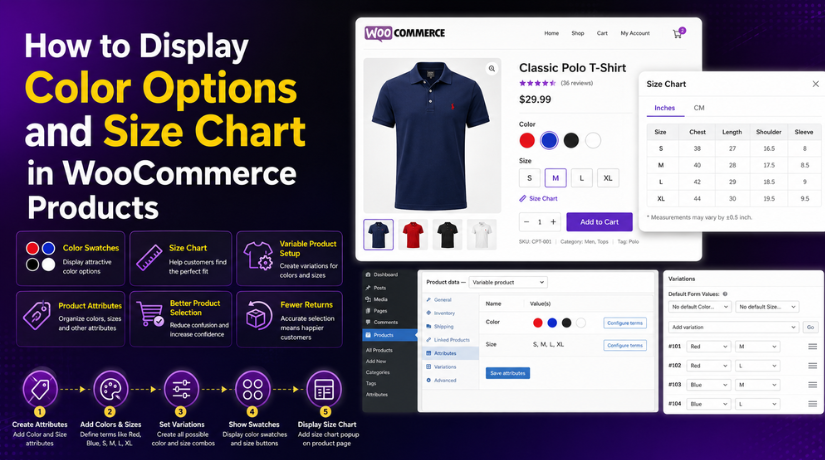
WooCommerce turns your WordPress site into an online store. It adds key store pages like shop, cart, and checkout. It also adds a “My Account” page for customers. You can list products and organize them with categories. You can set prices, sale prices, and stock rules. You can add product photos, short text, and full details. You can sell physical items, digital files, or both. You can also create product options using variations. For example, size and color can become simple choices. This shows how How WooCommerce works with product data.
WooCommerce also helps you take payments in safe ways. You can accept cards using Stripe or similar services. You can accept PayPal or bank transfer in many cases. You can also enable cash on delivery if you need it. The best option depends on your store and country rules. WooCommerce keeps the order record inside your WordPress dashboard. You can view orders, status, and customer details quickly. You can mark orders as processing, shipped, or completed. WooCommerce also sends basic email updates by default. Customers get order emails and receipts after checkout. Store owners get new order alerts in most setups.
Shipping is also part of the core store flow. You can set shipping zones based on countries or states. You can add flat rates, free shipping, or local pickup. You can set rules like free shipping over a set amount. Taxes can be set in simple ways inside WooCommerce settings. You can set tax rates and show tax at checkout. You can also choose if prices include tax already. These basics help many stores start without extra tools. Later, you can add extra tools for complex tax needs.
Many people ask about WooCommerce features before starting. The core features cover most small store needs. You get product pages, cart, checkout, and order tracking tools. You get coupon codes for sales and special offers. You get stock control to avoid selling out-of-stock items. You get basic reports for sales, orders, and top items. You get customer accounts and saved addresses for easy repeat buys. You also get simple settings for store currency and location. These WooCommerce features are enough for many first stores.
WooCommerce also supports add-ons through extra plugins. These are often called extensions or add-ons in shops. Add-ons can help with bookings, memberships, and subscriptions. Add-ons can also add advanced shipping labels and tracking. Add-ons can improve product search and filters for buyers. Add-ons can connect your store with email marketing tools. Add-ons can also help with invoices and packing slips. This is why people like WooCommerce for long growth. You can start small and add only what you need. A clean plugin list helps speed and reduces conflicts.
If you want a simple WooCommerce setup guide, start with goals. Decide what you sell and how buyers get it. Decide how you will ship or deliver products. Decide what payments you want to offer buyers. Decide if you need taxes and what rules apply. Then plan a theme that supports WooCommerce pages well. This planning reduces rework and saves time later. It also helps your store feel smooth for customers. This approach supports better trust and more sales over time.
What is The Difference Between WooCommerce and An E-Commerce Website?
An eCommerce website is any site that sells online. It can be built using many different tools and systems. Some eCommerce sites use hosted platforms with built-in tools. Some use custom code built by a developer from scratch. Some use WordPress with WooCommerce for full control. This is the core idea behind WooCommerce vs ecommerce website. WooCommerce is not the same as “eCommerce website” by itself. WooCommerce is one way to build an eCommerce website. It is a tool you add to WordPress to enable selling. Without WooCommerce, WordPress is mainly a content website. With WooCommerce, WordPress becomes a store website too.
A hosted eCommerce platform often handles many things for you. It may handle hosting, updates, and some security tasks. It may offer themes, checkout, and payments in one package. You usually pay a monthly fee for that simple setup. You also follow their rules for design and features. In contrast, WooCommerce is self-managed in most cases. You choose your hosting provider and site setup. You control updates, backups, and plugin choices yourself. This gives you more control but needs more care.
The biggest difference is control and freedom over your store. With WooCommerce, you own your site and store data. You can move hosts and change themes when needed. You can add new features with plugins and custom changes. You can shape checkout steps to match your business needs. With some hosted platforms, changes can be limited. You may also face extra fees for apps and add-ons. WooCommerce can still have costs through hosting and paid plugins. The cost style is different, not always cheaper or higher. It depends on your store size and feature needs.
So, when you compare WooCommerce vs ecommerce website, focus on meaning. “eCommerce website” is the goal and end result. WooCommerce is a tool that helps you reach that goal. It works best if you want WordPress content plus store sales. It is also good if you want long control. If you want a fast hosted setup, you may pick a hosted tool. If you want a flexible WordPress store, WooCommerce fits well. In Part 2, you will learn the setup steps clearly. You will also review WooCommerce pros and cons for real decisions. You will then see which choice fits your store plan best.
How Do You Connect WooCommerce to WordPress? (Step-by-Step Guide)
Step 1: Check WordPress is ready
Log in to your WordPress admin dashboard first. Update WordPress core, theme, and plugins once. Make sure your site has SSL enabled for checkout safety.
Step 2: Install the WooCommerce plugin
Go to Plugins and click Add New from the menu. Search for WooCommerce in the search box. Click Install Now, then click Activate after install.
Step 3: Start the WooCommerce setup wizard
After activation, the setup wizard will open automatically. If it does not open, go to WooCommerce and click Home. Then click the setup option to start the wizard.
Step 4: Add your store details
Enter your store address and choose your country. Select the right currency for your store sales. Choose what type of products you will sell now.
Step 5: Set up payments


Open WooCommerce settings and go to Payments. Turn on the payment method you want to use. Add required keys for Stripe or connect PayPal account.
Step 6: Set up shipping
Go to WooCommerce settings and open Shipping tab. Create shipping zones for your target locations and states. Add shipping rates like flat rate or free shipping.
Step 7: Confirm WooCommerce pages are created
Go to Pages and check key WooCommerce pages exist. Confirm Shop, Cart, Checkout, and My Account pages are present. Open each page and confirm it loads without errors.
Step 8: Add your first product
Go to Products and click Add New from the menu. Add product name, price, short details, and images. Publish the product and check it appears in the shop.
Step 9: Test the checkout process
Enable test mode in your payment plugin like Stripe. Place a test order to confirm payment flow works. Check order emails and order status inside Orders.
Step 10: Go live safely
Turn off test mode and add live payment keys. Take a small real order to confirm everything works. Set backups and security plugin to protect your store.
What Are The Pros and Cons of WooCommerce?
Pros
- Full ownership and control: You own your store data and website files. You can move hosting anytime without losing your platform. This makes WooCommerce in WordPress a strong long-term choice.
- Flexible store design options: You can choose many themes and layouts. You can design product pages and category pages as needed. This flexibility supports many store styles and niches.
- Powerful product management: You can sell simple, variable, and digital products. You can manage stock, pricing, and sale offers easily. These are core WooCommerce features that suit most stores.
- Many payment options: You can add Stripe, PayPal, bank transfer, and more. Customers get trusted payment methods with secure checkout support. This improves trust and reduces checkout drop-offs.
- Shipping control with zones: You can set shipping by country, state, or region. You can add flat rates, free shipping, or local pickup easily. This helps you match delivery needs for different buyers.
- SEO-friendly with WordPress content: You can publish blogs and guides for traffic growth. You can support product pages with helpful content and internal links. This is a key reason people choose WooCommerce vs WordPress comparisons.
- Easy to extend with plugins: You can add features like bookings, memberships, or subscriptions. You can connect email tools and analytics without custom coding. This helps your store grow without rebuilding later.
Cons
- Needs regular updates and care: You must update WordPress, WooCommerce, and plugins often. Skipping updates can cause bugs or security issues. This is a common challenge in every WordPress WooCommerce tutorial.
- Speed depends on hosting and plugins: Cheap hosting can slow your shop and checkout pages. Too many plugins can also impact performance and user experience. Fast hosting and clean plugins are very important.
- Plugin conflicts can happen: Some plugins or themes may not work well together. This can break checkout, cart, or product pages. Testing changes on staging reduces this risk a lot.
- Extra features may cost more: Many advanced features need paid plugins or services. Costs can increase as your store grows and needs more tools. Planning early helps control long-term spending.
- Security is your responsibility: WooCommerce is secure, but your setup matters most. You must use SSL, strong passwords, and security tools. Backups also matter for quick recovery after issues.
- Support is split across providers: Hosting issues need hosting support help, not WooCommerce support. Theme issues need theme developer support in many cases. This can slow troubleshooting if you lack a clear process.
Which is Better, WordPress or WooCommerce?
This question needs one important clarity first. WordPress and WooCommerce are not direct competitors here. WordPress is the base platform for your website content. WooCommerce is a store plugin that runs inside WordPress. So WooCommerce vs WordPress is really about your goal. If you want a blog or company site, use WordPress alone. If you want to sell products, add WooCommerce to WordPress. That is the simplest and most accurate answer.
If you compare store options, compare full platforms instead. Some users compare WooCommerce vs ecommerce website builders like hosted systems. Hosted systems can feel easier at the start for beginners. They often include hosting, updates, and built-in support tools. WooCommerce needs you to manage hosting and store maintenance. But WooCommerce offers more control and customization later. It also fits well with content marketing and long blog plans. WordPress content plus WooCommerce selling is a strong mix.
Choose WooCommerce when you want flexible store control and growth. Choose it when you want custom checkout and plugin options. Choose it when content SEO is part of your sales plan. Choose another platform if you want a fully managed store. Choose another platform if you do not want updates or hosting tasks. Your comfort level should guide your best decision. If you want full control, WooCommerce is often better.
Conclusion
Now you understand the full flow for building a store. You learned how to plan and complete WooCommerce installation steps. You also learned the key WooCommerce pros and cons clearly. You saw why WooCommerce vs WordPress is not an either choice. Use WordPress for content, and WooCommerce for selling tools. Follow this WooCommerce setup guide and test checkout before launch. Keep your store light, fast, and secure from day one. With a clean setup, WooCommerce can scale with your business.