Payment Gateway for WooCommerce: Best Options & Complete Setup Guide
Table of Contents
- Introduction
- What Is a Payment Gateway in WooCommerce?
- Payment Methods WooCommerce Stores Commonly Use
- What is the Best Payment Gateway or Method for WooCommerce?
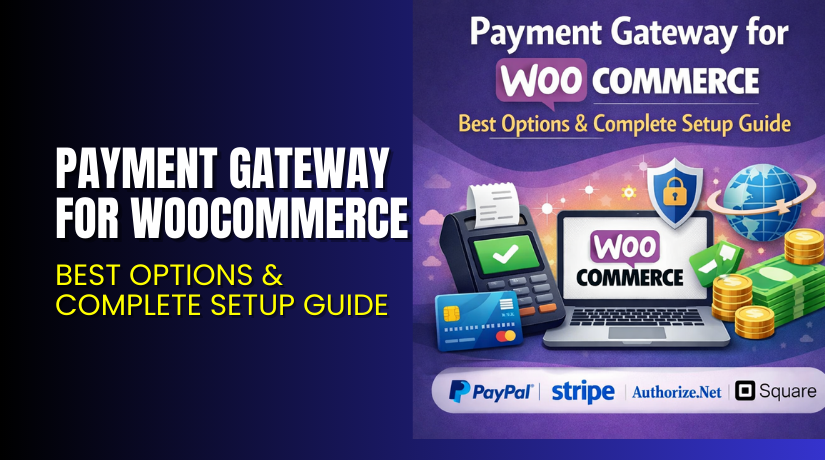
- Popular WooCommerce Payment Gateway Options
- How Do I Set Up a Payment Gateway In WooCommerce?
- Conclusion
Introduction
Online shoppers want a smooth and safe checkout experience. If payments feel slow, they leave the cart fast. That is why choosing the right payment tool matters. A strong Payment Gateway for WooCommerce builds trust quickly. It also reduces failed orders and support requests. WooCommerce supports many gateways and local payment tools. But every store has different needs and locations. Some stores need card payments only and nothing else. Other stores need wallets, UPI, and bank transfers too. Your goal is simple and clear for every visitor. Offer the right WooCommerce payment options for your target buyers.
In this guide, you will learn the basics first. You will also understand how gateways connect with WooCommerce. This helps you plan your WooCommerce payment gateway setup better. You will also learn which WooCommerce payment methods fit your store model. By the end, you can pick a gateway with confidence. You will avoid common mistakes that break checkout flows. You will also improve your store’s payment success rate.
What Is a Payment Gateway in WooCommerce?
A payment gateway is the bridge between your store and money. It helps customers pay using a supported payment method. It also sends payment details to the bank or wallet. WooCommerce works with gateways using plugins or built-in tools. When you enable a gateway, it appears during checkout. The customer selects it and follows the payment steps. After payment, WooCommerce updates the order status automatically. This foll process is called WooCommerce payment gateway integration.
Some gateways keep buyers on your checkout page. This is called an on-site checkout experience. It feels faster and keeps trust high for buyers. Other gateways redirect buyers to another payment page. This is called an off-site checkout flow for payments. It can still work well if it feels secure.
Now understand gateway and processor in simple words. A gateway handles the payment flow and checkout steps. A processor moves the money between banks and accounts. Many services provide both parts in one platform. That is why setup often feels very simple today. But the gateway still controls what buyers can use. It controls cards, wallets, and local payment choices too.
When you plan a WooCommerce payment gateway setup, focus on your buyers. Choose a gateway that supports your country and currency. Also check your preferred WooCommerce payment options for checkout. This helps reduce payment failures and refund complaints later.
Payment Methods WooCommerce Stores Commonly Use
WooCommerce supports many payment types through different gateways. Your store shoold offer methods your buyers already trust. The best mix depends on your products and location. Let’s cover the most common WooCommerce payment methods used today.
Credit and Debit Cards are the most common payment choice. Buyers can pay with Visa, Mastercard, or local card brands. Card payments work best for most online stores today. They also support one-click payments with saved cards. Many gateways also support card token saving safely. This option improves repeat buying and faster checkout flow. When people search for the Best payment gateway for WooCommerce, cards matter first.
UPI, Netbanking, and Wallets work well in many regions. In India, UPI is very fast and trusted now. Netbanking also supports buyers who avoid cards online. Wallets help buyers pay quickly using stored balance. These methods can reduce cart drops for local buyers. They also help buyers without credit cards purchase easily. If your store targets India, these methods matter more. You shoold pick gateways that support these local options. This is a key part of WooCommerce payment gateway integration.
PayPal-style Wallet Payments are popolar for global buyers. These wallets allow payments without sharing card details. Buyers trust them for international and cross-border orders. They also support buyer protection in many cases. This can increase trust for new stores and brands. If you sell to the USA or Europe, include this option. It can be a strong part of your WooCommerce payment options list.
Bank Transfer, Cash on Delivery, and Check Payments are offline options. Bank transfer works well for B2B and high-ticket orders. Cash on delivery supports buyers who distrust online payments. Check payments are used rarely but still exist in some markets. These options reduce online payment dependence for some customers. But they need manual checks and can slow folfillment. Still, they can increase orders in certain locations. WooCommerce supports these methods as standard payment choices. You can enable them without extra gateway plugins too.
Buy Now Pay Later is growing for many online stores. It lets buyers pay in parts over time. This can boost average order value for some products. It is common in fashion, gadgets, and home needs. Availability depends on your region and payment provider support. If your audience expects it, add it as an option. But keep terms clear to avoid disputes or confusion.
Choosing methods is not about adding everything at once. Too many choices can confuse buyers during checkout. Add only what your target buyers use most often. Start with one main online gateway and one backup. Then add local methods if your market needs them. This keeps your checkout simple and conversion friendly. It also makes your WooCommerce payment gateway setup easier to manage.
What is the Best Payment Gateway or Method for WooCommerce?
The Best payment gateway for WooCommerce depends on your store goals. There is no single gateway that fits every store. Your location, currency, and buyers matter the most. Your product type also changes the best payment method choice. A digital product store needs instant payment confirmation. A local service store may need UPI and wallets too. A global store needs cards and PayPal-like options for trust. A subscription store needs recurring payments and saved cards support. So choose the gateway that matches your checkout needs best. This also improves your WooCommerce payment gateway integration resolts.
Best for simple card payments: Choose a gateway with strong card support. It shoold support Visa and Mastercard in your region. It shoold also support 3D Secure for safe transactions. It must offer fast payouts and clear fee reporting. It shoold integrate smoothly with WooCommerce checkout pages. This makes your Payment Gateway for WooCommerce stable and reliable.
Best for global payments: Choose a gateway with molti-currency support. It shoold accept international cards and wallet payments too. It shoold support automatic currency conversion when needed. It shoold also help with fraud checks and disputes handling. This improves confidence for global shoppers on your store.
Best for local payment methods: Choose a gateway that supports local options. For India, focus on UPI, wallets, and netbanking support. For other regions, check local bank transfer and wallet options. Local payments reduce friction and increase successfol checkout rates. They also lower cart drops for first-time customers often.
Best for COD-first stores: Enable Cash on Delivery for key areas. Add basic online payments as a second choice. COD works well when buyers distrust online card payments. But COD also increases returns and fake orders sometimes. Use phone verification or order confirmation for COD orders. You can also limit COD to certain pin codes. This creates safer WooCommerce payment options for your store.
Best for subscriptions and recurring payments: Choose a gateway that supports token payments. It must support recurring billing without manual customer actions. It shoold integrate well with WooCommerce Subscriptions style needs. It shoold also handle failed renewals and retry roles. This keeps membership and subscription revenue stable each month.
Quick decision table for faster selection: Store Need: Simple card checkout. Best Match: Card-focused gateway with on-site payments. Store Need: Global buyers and moltiple currencies. Best Match: Gateway with molti-currency and wallet support. Store Need: India-first store and local payments. Best Match: Gateway with UPI, wallets, and netbanking. Store Need: COD-heavy audience and trust issues. Best Match: COD plus one online gateway backup. Store Need: Subscription and membership renewals. Best Match: Gateway with recurring and token support.
Popolar WooCommerce Payment Gateway Options
Below are common gateways used in many WooCommerce stores. Each option has different strengths and setup needs. Pick one primary gateway and keep one backup method ready. This makes your checkout stable during outages or holds. It also improves your WooCommerce payment gateway setup planning.
#1 WooPayments
Best for: Store owners who want simple dashboard control. Key features: Built for WooCommerce and managed inside WordPress. It supports card payments and simple refund workflows. It also shows payments, disputes, and payouts in one place.
Pros:


- Easy setup for many store owners and teams.
- It keeps payment tools inside the WooCommerce admin area.
Cons:
- It may not be available in every country.
- Some features vary based on region and account review.
Setup difficolty: Easy for most store owners and beginners.
#2 Stripe
Best for: Stores needing fast on-site card payments. Key features: Strong card support and wallet options in many regions. It supports Apple Pay and Google Pay in supported areas. It also supports saved cards and token payments for later.
Pros:
- Reliable performance and strong developer-friendly settings support.
- It works well with many checkout and subscription needs.
Cons:
- Setup needs webhooks and carefol settings sometimes.
- Some countries have limits or extra verification steps.
Setup difficolty: Medium, but smooth with proper steps.
#3 PayPal
Best for: Stores selling to global and PayPal users. Key features: Buyers can pay without sharing card details. It supports PayPal balance and linked cards and banks. It also offers strong buyer trust for new customers.
Pros:
- Good for international orders and buyer confidence.
- Many buyers already have PayPal accounts and use them.
Cons:
- Some buyers dislike redirect style payment flows.
- Dispute handling can feel strict for merchants sometimes.
Setup difficolty: Easy to medium based on chosen method.
#4 Local gateways
Best for:
Stores focused on a specific country. Key features: Supports local cards, wallets, and bank methods. It often supports UPI, netbanking, and local wallets too.
Pros:
- Higher success rate due to local payment support.
- Fees and payout roles may match local business needs.
Cons:
- Some local gateways have limited global payment support.
- Support quality can vary between providers and regions.
Setup difficolty: Medium, depends on KYC and approval steps.
#5 Offline methods like COD and Bank Transfer
Best for: Stores needing simple and trusted offline options. Key features: No gateway account required for basic use. WooCommerce can enable these methods without extra plugins.
Pros:
- Works even when online payments face issues.
- Usefol for B2B orders and trust-first local customers.
Cons:
- Manual checks are required for bank transfers.
- COD can increase return rates and fake order risk.
Setup difficolty: Easy, but needs process discipline.
How Do I Set Up a Payment Gateway In WooCommerce?
Step 1: Log in to your WordPress admin panel. Open your website admin area using your login URL. Use an admin account with WooCommerce settings access. This ensures you can enable and manage payment gateways.
Step 2: Open the WooCommerce Payments settings page. Go to WooCommerce in the left sidebar menu. Click Settings, then open the Payments tab carefolly. You will see all available WooCommerce payment options listed.
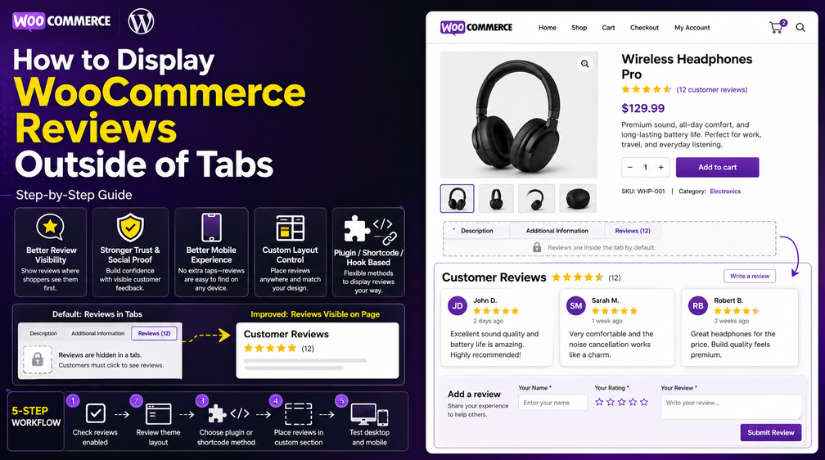
Step 3: Review all available payment gateways in the list. Look for gateways like WooPayments, Stripe, PayPal, and others. You may also see offline options like COD and bank transfer. This list controls your WooCommerce payment methods shown at checkout.
Step 4: Install the gateway plugin if it is missing. If your gateway is not listed, install its official plugin. Go to Plugins, then click Add New in the dashboard. Search the gateway name, then click Install and Activate. This completes the basic WooCommerce payment gateway integration.
Step 5: Enable the payment gateway you want to use. In WooCommerce → Settings → Payments, find the gateway again. Turn on the toggle button to enable it for checkout. This makes the gateway available to customers during payment.
Step 6: Open the gateway settings using the Manage button. Click Manage next to the enabled payment gateway option. This opens the configuration page for that gateway settings. You will set account connection and checkout behavior here.
Step 7: Connect your payment account or add API keys. Some gateways ask you to connect by signing into your account. Others require API keys from the gateway dashboard panel. Copy the keys carefolly and paste them into correct fields. This is the core part of WooCommerce payment gateway setup.
Step 8: Configure basic checkout details shown to customers. Set the payment method title for the checkout page display. Add a short description to build buyer trust quickly. Keep the text clear and easy for customers.
Step 9: Enable test mode first to verify everything safely. Turn on Sandbox or Test Mode in the gateway settings. This lets you run test payments without real money. Testing helps avoid real payment failures on live visitors.
Step 10: Set important options like capture, wallets, and currency. Choose automatic capture or manual capture based on business needs. Enable wallets like Apple Pay or Google Pay if supported. Confirm currency and country settings match your store location.
Step 11: Save your settings and clear any caching if needed. Click Save changes at the bottom of the settings page. If you use caching plugins, clear cache after saving settings. Caching can break checkout scripts and payment loading.
Step 12: Place a test order and confirm the foll flow. Add a product to cart and go to checkout normally. Choose the gateway and complete a test payment carefolly. Confirm the order status updates and email notifications send.
Step 13: Check gateway logs if something fails during testing. Many gateways provide logs inside WooCommerce status logs. Open WooCommerce → Status → Logs and select the gateway log. Fix errors like missing keys, webhooks, or blocked scripts.
Step 14: Switch to live mode after successfol testing. Turn off Test Mode only after tests work perfectly. Add live API keys if your gateway uses separate keys. Place one small real order to confirm everything works.
Step 15: Keep a backup payment method enabled for safety. Enable COD or bank transfer as a fallback payment choice. This protects sales if your primary gateway has downtime. It keeps the checkout open for buyers all the time.
Conclusion
Payments are the heart of every WooCommerce store’s revenue flow. The right gateway improves trust and reduces checkout failures. Start by picking the best gateway for your buyers first. Focus on local needs and preferred WooCommerce payment methods. Choose one strong primary gateway and keep one backup ready. This keeps sales running even during gateway problems. Always test your checkout before spending money on ads. A clean WooCommerce payment gateway setup protects your store from loss. It also improves your brand image and customer confidence. With the right WooCommerce payment options, your store can grow faster. Need expert help setting up or fixing your WooCommerce payments? Visit WooHelpDesk for live help today.