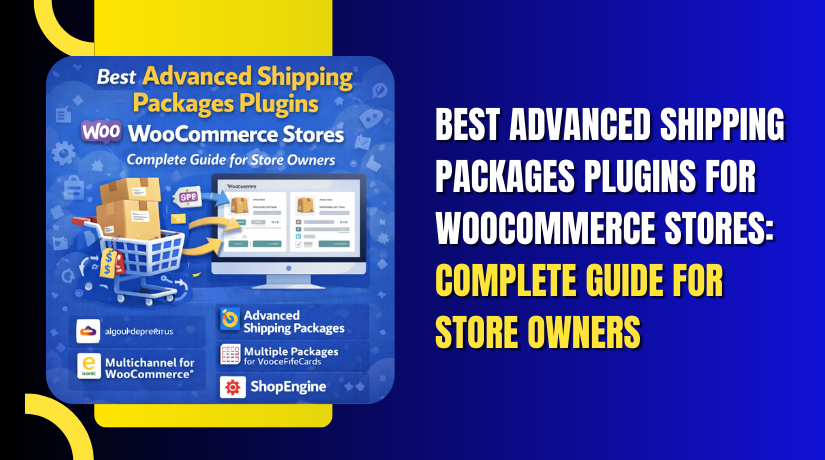
Best Advanced Shipping Packages Plugins for WooCommerce Stores: Complete Guide for Store Owners
Table of Contents
- Introduction
- What Is Advanced Shipping Packages in WooCommerce?
- When You Need Shipping Packages in WooCommerce: Clear Signs Store Owners Should Not Ignore
- Features to Look for in a Shipping Packages Plugin: Must-Have Checklist
- List of Best Advanced Shipping Packages Plugins for WooCommerce (Top Picks)
- How to Choose the Right Plugin Based on Your Store Type and Shipping Goals
- Conclusion
Introduction
Shipping can make or break your WooCommerce store at checkout. As product types grow, shipping costs become harder to predict. Default settings work for simple carts, but fail quickly often. Customers want clear costs, clear timelines, and fewer surprises. One wrong rate can cause cart drops and refund requests. A good WooCommerce shipping plugin helps you control rates and rules.
It also helps you show fair shipping charges at checkout. Many stores need smarter logic for complex product mixes. This is where WooCommerce shipping packages become very useful. You can split items into separate groups for better rates. You can also set clean WooCommerce shipping rules for each group. That makes totals accurate and the checkout more trusted. If your store ships many product types, this matters daily. If you manage multiple stock locations, it matters even more. If you run a marketplace, it becomes a must-have feature.
What Is Advanced Shipping Packages in WooCommerce?
A shipping package is a group of cart items shipped together. WooCommerce can create one package for the entire cart. That is fine when items ship from one place only. It also works when all items share similar size and weight. But many stores do not ship that way anymore. Some items need separate boxes for safety and handling. Some items ship from different locations and different carriers.
Some items need special rates due to size or weight. Advanced shipping packages solve this with smart cart grouping. A package can have its own method, rate, and label. This is why WooCommerce multiple shipping packages is a big upgrade. It helps you charge correctly for each shipment group. It also helps customers understand why shipping costs more sometimes. You can do this using an Advanced Shipping Packages plugin for WooCommerce. You can also combine it with other shipping tools for rates. The goal is simple, accurate shipping for every cart type.
When You Need Shipping Packages in WooCommerce: Clear Signs Store Owners Should Not Ignore
Shipping packages become necessary when your store sells products with different shipping needs. If your checkout shows wrong rates, packaging rules are missing. If customers ask why shipping looks too high, packages may help. If orders often ship in multiple boxes, packages are required. If staff manually split orders after checkout, packages will save time. If shipping labels fail due to size errors, package logic is missing. If one item blocks shipping for the whole cart, packages fix it. This also supports clean WooCommerce shipping rules for every shipment group. For many stores, this is the first step to shipping accuracy.
You Sell Mixed Size Products That Cannot Fit in One Box
Many stores sell small and large items together in one cart. WooCommerce often treats everything as one shipping calculation. That can cause wrong pricing and poor packing assumptions. A large item may need its own box and higher rate. A small item may still qualify for low-cost shipping options. With WooCommerce split shipping, you can separate these items at checkout. This creates more accurate shipping totals for the customer. It also reduces packing mistakes for your team and warehouse. If mixed sizes are common, packages are not optional anymore. They become part of a reliable shipping workflow.
You Sell Fragile Items With Regular Products in the Same Order
Fragile items often need special packing and safer carriers. Regular items can ship with cheaper services without risk. If both ship together, one rate will not match reality. You may overcharge customers or undercharge your own costs. With WooCommerce multiple shipping packages, fragile products can become one package. Regular products can stay in another package with normal shipping. This helps you apply clean WooCommerce shipping rules by shipping class. It also reduces returns caused by damage during delivery. It improves customer trust because packaging feels professional. It also protects your store margins on every fragile order.
You Run a Multi-Vendor Store Where Sellers Ship Separately
Marketplace stores usually ship items from different vendors. One cart may contain items from three different sellers. Default shipping cannot estimate this correctly in many cases. Vendor items need separate labels, tracking, and delivery timelines. With WooCommerce shipping packages, you can create one package per vendor. This is a practical form of WooCommerce split shipping for marketplaces. It also keeps vendor shipping logic separate and controlled. Customers understand why items arrive on different days. Vendors get fewer disputes about shipping responsibilities and costs. Your store runs smoother without manual vendor splits after checkout.
You Manage Multiple Warehouses or Ship-From Locations
Many WooCommerce stores store inventory in multiple locations. Some products ship from a local warehouse for faster delivery. Other products ship from a central warehouse to reduce storage cost. If your checkout uses one origin, rates can be wrong quickly. Customers may see shipping options that you cannot fulfill. With WooCommerce multiple shipping packages, you can split by origin. Each package can request rates based on its warehouse address. This gives more accurate costs and delivery time expectations. It also avoids delays caused by mixed fulfillment planning. A good WooCommerce shipping plugin makes multi-origin shipping practical.
You Sell Heavy or Oversized Items That Need Special Handling
Heavy and oversized products can trigger special shipping costs. They may need larger boxes or extra handling fees. Some items may require freight or LTL shipping methods. If these items mix with normal products, shipping rules break often. Packages can separate oversized items into a dedicated shipment group. This protects standard products from freight-only restrictions. It also prevents undercharging that leads to major losses. It makes shipping rates more stable and easier to explain. This is one of the strongest reasons to use WooCommerce shipping packages.
You Have Shipping Complaints and Cart Abandonment Due to High Rates
Customers leave when shipping feels confusing or unfair. If rates jump suddenly, trust drops very fast. This often happens when WooCommerce calculates one rate for mixed carts. A package approach explains costs with clearer shipping logic. Each group can show its own method and price. This makes the total feel more reasonable and expected. It also reduces support tickets about shipping totals and delivery times. Better shipping clarity often improves conversion on high value carts. If abandonment is rising, packages can be part of the fix.
Features to Look for in a Shipping Packages Plugin: Must-Have Checklist
Not every plugin supports true package-based shipping correctly. Some plugins only add rate rules without real cart splitting. Store owners should check features before buying anything. Focus on packaging logic, carrier support, and compatibility first. Also check checkout experience because it affects conversions. Below are the key features that matter in real stores. They help you choose a reliable Advanced Shipping Packages plugin for WooCommerce. They also help you avoid plugin conflicts and wasted setup work.
Cart Splitting Rules That Match Real Store Logic
The plugin should support flexible cart splitting based on rules. You should split by shipping class, category, and product tags. You should also split by vendor or shipping origin when needed. Weight and dimension rules should be supported for accuracy. The rule builder should be easy and not confusing. You should be able to test rules with sample carts. This is the core of WooCommerce split shipping functionality. Without strong splitting, package shipping will not work well.
Box Packing and Dimensional Weight Support for Accurate Rates
If you ship carriers that use dimensional weight, packing matters. The plugin should support box sizes and packing strategies. It should allow manual box setup for stable packing results. It should also support auto packing based on product dimensions. This helps calculate shipping costs closer to real label pricing. It reduces label errors and cost adjustments after checkout. It also helps you avoid undercharging on bulky items. This feature is very important for stores shipping nationwide.
Multi-Origin Shipping Support for Warehouse Based Fulfillment
Multi-origin shipping is essential for multi-location stores. The plugin should let you set ship-from locations per product. It should also select the right origin based on stock rules. It should support fallback origin when stock is missing. It should calculate rates for each origin separately when needed. This is key for accurate WooCommerce shipping packages in multi-warehouse stores. It also supports better delivery planning and fewer fulfillment delays.
Advanced Table Rates and Conditional Shipping Rules
A good plugin should offer strong WooCommerce shipping rules support. You should set conditions based on cart total, weight, quantity. You should also set rules by destination zone and postcode ranges. Free shipping conditions should be easy to add and test. Handling fees should be possible for special items or packaging. Rule priority should be clear to avoid conflicts. This feature helps you control margins and offer fair pricing. It also supports promotions without breaking shipping logic.
Freight and Oversized Shipping Options for Large Item Stores
If you sell large items, freight support is very useful. The plugin should let you separate freight items automatically. It should also offer freight methods and rate options. It should support hiding parcel options when freight is required. It should also allow mixed carts without blocking checkout. This keeps your store flexible for both normal and freight orders. It protects your profit from unexpected freight charges later. It also prevents checkout errors caused by oversized products.
HPOS and WooCommerce Blocks Compatibility for Future Safety
WooCommerce is moving toward faster order storage and blocks checkout. Your plugin should support HPOS without warnings in admin. It should also work with the WooCommerce Blocks checkout flow. If a plugin breaks checkout blocks, conversions can drop fast. You should verify this compatibility before relying on the plugin. You should also check update frequency and support response quality. This keeps your shipping system stable for long term growth. It also reduces sudden issues after WooCommerce updates.
Clear Checkout Display for Packages, Rates, and Delivery Choices
Customers should understand what they are paying for quickly. The plugin should show package groups clearly at checkout. It should also show shipping methods per package when needed. Labels should be simple and not confusing for buyers. Delivery estimates can help reduce checkout hesitation. Better clarity reduces support requests and refund pressure. A strong WooCommerce shipping plugin improves checkout trust directly. It helps customers feel confident before they pay. It also helps your store look more professional and reliable.
List of Best Advanced Shipping Packages Plugins for WooCommerce (Top Picks)
#1 WooCommerce Advanced Shipping Packages
Advanced Shipping Packages is built for clean WooCommerce split shipping. It lets you break one cart into multiple packages. Each package can show its own shipping choices. This is useful when items ship from different places. It also helps when you want strict WooCommerce shipping rules. Store owners love it for controlled WooCommerce shipping packages.
Features
- Split cart items into multiple shipping packages at checkout.
- Show package-wise shipping methods in cart and checkout.
- Apply different shipping rates for each created package.
- Control grouping with rules like shipping class and type.
- Supports complex WooCommerce multiple shipping packages setups.
Pros
- Best fit for true package-based checkout shipping flows.
- Makes mixed carts easier to ship and price correctly.
- Reduces support tickets about wrong shipping totals.
- Works well with many shipping method extensions.
- Strong choice for advanced WooCommerce shipping plugin needs.
Cons
- Requires careful setup for best package grouping results.
- Premium extension, so budget stores may hesitate.
- Some setups need testing with other shipping plugins.
- Not ideal if you only need simple flat rates.
- Can feel complex for first-time store owners.
Download Link: Advanced Shipping Packages for WooCommerce
#2 WooCommerce Shipping Packages
WooCommerce Shipping Packages focuses on grouping items into packages. It uses “group by” rules for building packages. Each package can show its own shipping method selector. This is useful for vendor-based shipping and class-based shipping. It also helps when one cart needs multiple shipments. It supports practical WooCommerce shipping packages without heavy setup.
Features
- Group cart items into packages using rule-based logic.
- Select shipping methods per package at checkout.
- Limit shipping methods by shipping class per package.
- Supports real-world WooCommerce split shipping scenarios.
- Helps manage WooCommerce shipping rules with package grouping.
Pros
- Good for stores needing package grouping without premium tools.
- Clear checkout experience with package-wise shipping options.
- Useful for shipping-class based packaging workflows.
- Easy starting point for package split concepts.
- Works as a focused WooCommerce shipping plugin option.
Cons


- May need add-ons for deeper pricing conditions.
- Not as rich as premium package split solutions.
- Complex carts can require extra testing and tuning.
- Support and updates depend on plugin maintainers.
- Advanced automation may require developer help.
Download Link: Shipping Packages
#3 Flexible Shipping PRO
Flexible Shipping PRO is made for advanced shipping rate building. It helps you create detailed WooCommerce shipping rules. You can set conditions by weight, totals, quantity, and more. It is ideal for table-rate style shipping. It also suits stores needing many shipping methods per zone. It is a strong Advanced Shipping Packages plugin for WooCommerce alternative for pricing control.
Features
- Create complex table-rate shipping methods using many conditions.
- Add extra costs by item, weight, or order percentage.
- Hide or show shipping methods based on set conditions.
- Supports detailed WooCommerce shipping rules per zone.
- Helps manage pricing for WooCommerce multiple shipping packages.
Pros
- Excellent for stores needing advanced rate control.
- Works well with shipping zones and shipping classes.
- Great for B2C stores with many pricing tiers.
- Strong long-term choice for scaling shipping logic.
- Reduces manual rate updates with rule-driven shipping.
Cons
- Paid plan required for full PRO capabilities.
- Setup needs careful planning for clean rate results.
- Too powerful for stores with simple shipping needs.
- Testing is needed for edge cases and mixed carts.
- Some stores may prefer simpler rule interfaces
Download Link: Flexible Shipping PRO
#4 WooCommerce Table Rate Shipping
Table Rate Shipping extends default WooCommerce shipping methods. It helps you define multiple rates by conditions. You can base rates on location, price, weight, or item count. This works well for shipping zones with layered rules. It is useful when you want predictable pricing for mixed carts. It supports WooCommerce shipping rules without heavy custom coding.
Features
- Add multiple table rates using location and cart conditions.
- Set rates by weight, price, or item count rules.
- Use wildcards to cover multiple regions efficiently.
- Create multiple methods in a single shipping zone.
- Useful alongside WooCommerce shipping packages strategies.
Pros
- Official WooCommerce extension with familiar setup flow.
- Great for structured pricing by zone and conditions.
- Works well for stores shipping to many regions.
- Helps reduce undercharging for large mixed carts.
- Strong core WooCommerce shipping plugin for rate setup.
Cons
- Not a dedicated package-splitting tool by itself.
- Can become complex with too many overlapping rules.
- Premium extension, so costs may be a concern.
- Needs testing with coupons and free shipping logic.
- Some advanced cases need extra extensions or logic.
Download Link: WooCommerce Table Rate Shipping
#5 Shipping Multiple Addresses
Shipping Multiple Addresses lets customers ship items to many addresses. This is real WooCommerce split shipping by destination. Customers can assign products to different shipping addresses. It helps gift orders, corporate orders, and bulk buying. It also improves checkout for multi-location customers. For stores selling bundles, it reduces manual post-order changes. It supports WooCommerce multiple shipping packages by address flow.
Features
- Ship items from one order to multiple addresses.
- Assign products to addresses during checkout steps
- Supports customer workflows for gifts and corporate shipping.
- Makes multi-destination shipping more accurate and clear.
- Improves WooCommerce split shipping for address-based orders.
Pros
- Perfect for gifting, teams, and bulk multi-address orders.
- Reduces checkout confusion for multi-destination customers.
- Cuts admin work for address changes after payment.
- Helps stores offer a premium customer experience.
- Useful add-on for WooCommerce shipping packages strategies.
Cons
- Adds extra checkout steps for some customers.
- Not needed for single-address stores with simple carts.
- Premium extension, so budget may be a factor.
- Needs theme testing for best checkout UI results.
- Some shipping plugins need compatibility testing.
Download Link: Shipping Multiple Addresses
#6 Multi Inventory Management
Multi Inventory Management helps stores handle multiple warehouses. You can create inventories by location and type. Customers can select a location or you can auto-detect. This is helpful when items ship from different hubs. It also supports shipping and zone logic per inventory setup. It is a strong base for WooCommerce shipping packages by fulfillment source.
Features
- Create multiple inventories by location, store, or warehouse.
- Allow customers to select locations while adding products.
- Auto-detect customer location for nearest inventory display.
- Control shipping zones and methods per inventory settings.
- Helps manage WooCommerce multiple shipping packages by origin.
Pros
- Great for brands with multiple warehouses or retail hubs.
- Improves stock accuracy with location-based inventory control.
- Helps route orders to the best fulfillment source.
- Useful for the same product stocked across multiple locations.
- Supports better shipping promises and fewer delivery issues.
Cons
- More setup work than single-inventory WooCommerce stores.
- Shipping logic can become complex across many warehouses.
- Some themes need UI tweaks for location selectors.
- Not required if you ship from only one address.
- Works best with a clear fulfillment process strategy.
Download Link: Multi Inventory Management
#7 LTL Freight Quotes
LTL Freight Quotes is made for freight shipping at checkout. It helps when products ship as pallets or LTL loads. Customers can see freight quotes without waiting for manual replies. It supports warehouse settings and freight-focused shipping flow. This is ideal for bulky products and B2B orders. It works well when standard parcel shipping fails. It fits advanced WooCommerce shipping packages for freight shipments.
Features
- Show LTL freight quotes in cart and checkout.
- Configure warehouses and freight shipping settings for quotes.
- Supports pallet packaging workflows for heavy shipments.
- Helps run freight checkout without manual quote emails.
- Useful for special WooCommerce shipping rules on bulky items.
Pros
- Best for heavy items that need freight pricing.
- Reduces abandoned carts caused by missing freight rates.
- Supports B2B buying with clearer shipping expectations.
- Saves time by automating freight quoting steps.
- Improves checkout trust for high-value heavy shipments.
Cons
- Not needed for normal parcel-only WooCommerce stores.
- Requires correct product weights and dimensions for accuracy.
- Setup can be technical for first-time freight sellers.
- Freight logic differs from standard carrier shipping methods.
- May require matching freight account and carrier setup.
Download Link: LTL Freight Quotes
How to Choose the Right Plugin Based on Your Store Type and Shipping Goals
Choosing the right shipping tool depends on what you sell daily. It also depends on how you pack and ship orders. Some stores need true cart splitting into separate packages. Other stores need stronger pricing rules and table rates. Many stores need both, but conflicts. Your goal is simple, accurate shipping for every cart. The best choice also supports clean WooCommerce shipping rules without confusion. Below are store type based picks that work in real cases.
If You Run a Small Store With Simple Products and One Warehouse
Small stores usually ship from one address and one carrier. They need easy rules and stable pricing control. You may not need heavy WooCommerce multiple shipping packages setup. But you still need clean WooCommerce shipping rules for zones and cart totals. If your carts are mostly similar, table rates can be enough. Flexible Shipping PRO or Table Rate Shipping can fit well. These tools help you control costs without complex splitting logic. Start simple and grow only when shipping becomes messy.
If You Sell Clothing, Fashion, and Lightweight Items Most of the Time
Fashion stores often ship small parcels with simple box sizes. But size variants can still change package weight and costs. You may also run free shipping thresholds and category promos. Table rate shipping rules help you manage this pricing cleanly. Flexible Shipping PRO works well for layered pricing and zone logic. You can split by shipping class or category for safer rates. This keeps WooCommerce shipping packages clean and easy to manage. It also keeps checkout rates stable during seasonal sales.
If You Sell Electronics, Fragile Products, or Items That Need Safer Shipping
Fragile products often need separate boxes and safer services. You may also need insurance, signature, and better tracking. If fragile and regular items mix, one rule set breaks often. Here, WooCommerce split shipping becomes very useful for accuracy. You can split packages by shipping class for fragile handling. An Advanced Shipping Packages plugin for WooCommerce helps create the split. Then rate plugins can price each package correctly. This setup reduces damage claims and replacement costs. It also improves customer trust with clear shipping options.
If You Sell Furniture, Heavy Items, or Oversized Products Often
Furniture and bulky items usually require freight or special carriers. Standard parcel shipping cannot handle many heavy deliveries. If a heavy product enters the cart, shipping must change. A freight focused plugin becomes the primary tool here. LTL Freight Quotes is a strong option for freight checkout. You can also split freight items from normal items if needed. This avoids blocking smaller items from normal shipping methods. It also needs clear checkout messaging to reduce hesitation.
If You Ship From Multiple Warehouses or Use Multiple Fulfillment Locations
Multi location shipping needs package splits by origin. Rates depend on which warehouse ships each item. If WooCommerce treats it as one origin, rates can be wrong. This is where WooCommerce multiple shipping packages become necessary. Multi Inventory Management helps map stock to locations and origins. Then packages can be created by shipping source for accuracy. This reduces delivery delays caused by wrong routing choices. Then add rate control only when you need deeper pricing rules.
If You Run a Marketplace Store With Many Vendors and Separate Shipping
Marketplace shipping becomes complex because vendors ship separately. Customers place one order but receive multiple shipments. Default shipping cannot reflect this clearly at checkout. You need packages split by vendor for true accuracy. That is a practical use of WooCommerce shipping packages. A package splitting tool helps create vendor packages automatically. Vendors get fewer disputes about shipping costs and responsibility. Choose a plugin that supports vendor based grouping first. Then use a rate tool only when vendors need complex pricing tiers.
Conclusion
A strong shipping setup improves conversions and reduces support tickets. The right WooCommerce shipping plugin depends on your store type. If carts are complex, you need WooCommerce shipping packages for accuracy. If pricing needs control, you need strong WooCommerce shipping rules. If orders ship separately, use WooCommerce split shipping for clarity. Always test your setup with real cart examples before going live. Keep your rules simple and expand only when needed. If you want expert help setting up shipping the right way, WooHelpDesk can help. WooHelpDesk can configure packages, rules, and checkout options correctly. You can avoid conflicts, rate errors, and confusing checkout shipping. Reach out to WooHelpDesk when you want shipping that works smoothly.