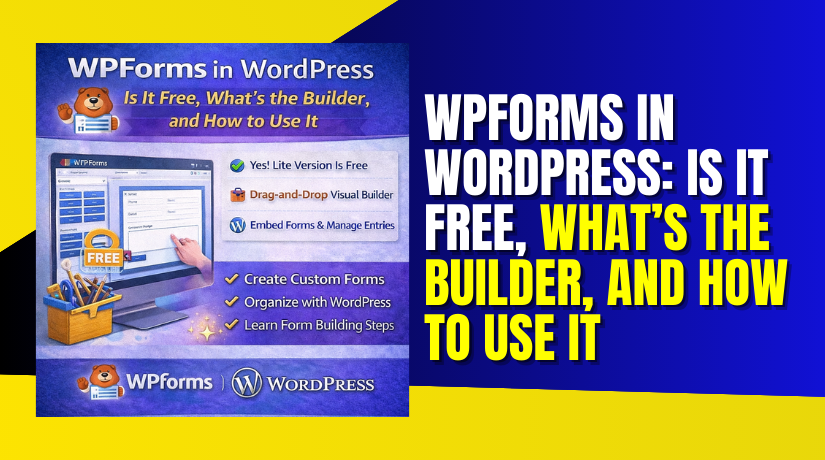
WPForms in WordPress: Is It Free, What’s the Builder, and How to Use It
Table of Contents
- Introduction
- What WPForms Does for WordPress Websites and Why It Matters
- Is WPForms free: What You Get With WPForms Lite
- What WPForms Lite May Not Include for Growing Sites
- WPForms lite vs pro: Key Differences That Matter for Real Sites
- What is WPForms builder in WordPress: A Simple and Clear Explanation
- Why the Builder Feels Beginner Friendly for Most Site Owners
- How to Install WPForms in WordPress: Step-by-Step Installation Guide
- How to Use WPForms in WordPress: Build, Publish, and Test Your First Form
- Common WPForms Problems and Quick Fixes
- Best Practices to Get More Leads From WPForms
- Conclusion
Introduction
WPForms is a popular form plugin for many WordPress websites. It helps you collect leads, questions, and requests in minutes. Many USA businesses use forms to grow and respond faster. You may still wonder, is WPForms free for real business use. You may also compare WPForms lite vs pro before upgrading later. This guide explains the basics in plain, simple everyday language. You will learn what is WPForms builder in WordPress step by step. You will learn how to install WPForms in WordPress the right way. Then you will see how to use WPForms in WordPress correctly. By the end, you will have a working form on key pages. This matters for service sites, blogs, and busy WooCommerce stores. A good form can reduce calls and keep requests well organized.
What WPForms Does for WordPress Websites and Why It Matters
WPForms lets visitors contact you without searching for email addresses. That reduces missed leads and improves your reply speed fast. It keeps entries in your dashboard, so nothing gets lost. You can build forms for sales, support, and daily operations. You can start with templates, then adjust fields in minutes. You can set confirmations so visitors know what happens next. You can send email alerts so your team replies on time. This simple setup makes your website feel helpful and professional.
Common Ways People Use WPForms on Real Websites
WPForms works well across many business types and site goals. Here are form ideas that fit most WordPress websites today:
- Many sites add a contact form to collect general questions.
- Many sites add a quote request form for services and pricing.
- Some businesses use a booking request form for in-person appointments.
- Others add a support request form for faster customer help.
- Stores add product question forms near key product page details.
- Creators use newsletter signup forms to grow an email list.
WPForms also supports better lead capture with fewer steps today. Short forms convert better when labels stay clear and simple. For WooCommerce, inquiry forms help shoppers ask questions before buying. This keeps your inbox clean and your follow-ups easy daily. Even basic forms can reduce support tickets and repeat questions. With the builder, you can update fields without hiring a developer. That saves time and keeps your site ready for new campaigns.
Is WPForms free: What You Get With WPForms Lite
Yes, is WPForms free is a fair question for beginners. WPForms offers a free version called WPForms Lite. It works well for many small WordPress websites in the USA. You can create a basic contact form in just minutes. You can also place that form on any page easily. This is useful when you want quick results without cost. WPForms Lite is also a safe starting point for new sites. You can test how forms work before paying for upgrades.
WPForms Lite usually gives you the core features needed first. You can build forms using a simple drag and drop system. You can add common fields like name, email, and message. You can also create simple forms for quotes and callbacks. Many service businesses use Lite for basic lead capture. Bloggers use it to collect reader questions and feedback. Local businesses use it for appointment request messages too.
Here are common things WPForms Lite helps you do well:
- Create a basic contact form without using any code.
- Add essential fields like name, email, phone, and message.
- Use a clean form layout that works on mobile screens.
- Add the form to pages using WordPress blocks or shortcodes.
- Receive form entries by email based on simple settings.
- Create basic lead forms for services and support requests.
WPForms Lite is not built for advanced marketing workflows. It is best for simple forms with fewer moving parts. If you need extra tools, you may outgrow Lite later. That is where upgrades start making more sense for growth.
What WPForms Lite May Not Include for Growing Sites
WPForms Lite is a strong start, but it has limits. Most free plugins limit advanced features to paid plans. This is normal for WordPress form tools today. If you run campaigns, you may need more control. If you need deep tracking, you may need extra add-ons.
Some features often needed by growing sites include these:
- Advanced form fields like file uploads and complex choices.
- More built-in integrations with email marketing tools and CRMs.
- Extra automation options for routing leads to the right team.
- More templates, add-ons, and advanced form rules.
- Stronger support access when problems need fast fixes.
If your site is getting steady leads, upgrade decisions become easier. You upgrade when a missing feature blocks your workflow daily. You also upgrade when you need faster support and tools.
WPForms lite vs pro: Key Differences That Matter for Real Sites
When comparing WPForms lite vs pro, focus on your real needs. Lite is best for simple contact and inquiry forms. Pro is best for businesses that want better control and growth. Many USA businesses start with Lite, then upgrade later. This keeps costs low while still building momentum.
Here is a practical way to think about the difference. Lite helps you collect leads and messages easily. Pro helps you improve how leads move through your business. Pro also helps you add more features without custom development. That matters when your site needs to scale.
WPForms Lite: Best Fit Use Cases
WPForms Lite is ideal when your forms stay simple. It also fits when you do not need many integrations. It works well for early stage websites and basic needs.
WPForms Lite fits best for these situations:
- A new business website needing one contact form fast.
- A personal blog collecting feedback and reader questions.
- A small service site offering quote requests and callbacks.
- A local business that wants simple lead capture only.
WPForms Pro: Best Fit Use Cases
WPForms Pro works best when your business is growing. It helps when your forms need more logic and options. It also helps when you need better workflows and tools.
WPForms Pro fits best for these situations:
- A service business needing advanced lead routing and tracking.
- A team needing smart notifications for different departments.
- A business needing stronger integrations with other marketing tools.
- A store needing detailed inquiry forms for product questions.
A Simple Decision Tip Before You Upgrade
Start with Lite when you are still testing your site flow. Upgrade only when your workflow needs advanced features. This keeps your setup clean and easy to manage. It also helps you avoid paying for features too early. Many site owners upgrade after consistent weekly lead volume. Some upgrade when they need better automation and support.
If you want a smart path, use this approach:
- Start with Lite and build one high converting contact form.
- Track how many leads you get each week consistently.
- Upgrade when a missing feature slows your team down.
- Improve forms as your business and traffic grows steadily.
What is WPForms builder in WordPress: A Simple and Clear Explanation
Many users ask, what is WPForms builder in WordPress and why it matters. The WPForms builder is the form creation screen inside WordPress. It lets you build forms using drag and drop actions. You do not need coding skills to create a clean form. You pick fields, place them, and adjust settings quickly. This builder is designed for beginners and busy site owners. It also works well for agencies managing many client sites.
The best part is the builder feels very visual and simple. You can see your form structure while editing it live. You can move fields up and down using your mouse. You can click any field to change its label quickly. You can also set fields as required with one toggle. This makes form building faster and less confusing for most users.
The Three Main Areas Inside the WPForms Builder
To understand the builder, focus on these three key sections. Each section has a clear job during form creation. Once you know these, the builder feels very easy.
1) Fields Panel: Choose What You Want to Collect
The Fields panel shows all available form fields to add. You can add basic fields for most contact forms quickly. You can also add extra fields when your form needs more details.
Common fields you can add include:
- Name, Email, Phone, Message
- Single Line Text and Paragraph Text
- Dropdown, Checkboxes, Multiple Choice
- Number field for budgets or quantities
You can drag any field into your form in seconds. You can add only what you truly need for conversions.
2) Form Preview Area: See Your Form Layout Clearly
The center area shows your form structure and layout. This is where you place and arrange fields properly. You can reorder fields to improve the form flow. You can also keep the form short and easy to finish. A clean layout reduces user drop-offs on mobile screens. That matters a lot for USA users on smartphones.
Helpful layout tips inside this area:
- Keep important fields near the top for faster action.
- Put optional fields later to reduce early form pressure.
- Use clear labels that match what users expect.
3) Settings Panel: Control Messages, Emails, and Behavior
The Settings area is where your form becomes functional. It controls what happens after someone submits a form. It also controls who gets the email alerts after submission. This is key for leads, support, and quote requests.
In settings, you usually manage these items:
- Confirmation message or thank-you page redirect
- Notification emails sent to you or your team
- Basic form behavior like required fields and formatting
Good settings improve user experience and reduce confusion. They also help you respond to leads much faster.
Why the Builder Feels Beginner Friendly for Most Site Owners
WPForms builder is built to save time and reduce mistakes. It keeps everything in one place for faster updates. You do not need extra tools to build a working form. You can also edit forms later without breaking pages.
Here is why many users like the builder:
- It uses simple drag and drop controls for fast form edits.
- It keeps the layout clear, even for first time users.
- It helps you publish forms without touching code.
- It lets you manage fields, emails, and messages in one screen.
How to Install WPForms in WordPress: Step-by-Step Installation Guide
If you are new, start with WPForms Lite first. It is fast to install and easy to test. You can later upgrade if your site needs more tools. These steps work for most WordPress websites in the USA. Follow them carefully to avoid common setup mistakes.
Method A: Install WPForms Lite From the WordPress Dashboard
This is the easiest option for most site owners today. You do not need any files for this method. You install it directly from the WordPress plugin library.
Follow these steps in your WordPress admin:
- Go to Plugins and click Add New.
- In the search bar, type WPForms.
- Find WPForms – Contact Form by WPForms in results.
- Click Install Now and wait for completion.
- Click Activate to turn the plugin on.
After activation, you should see WPForms in your admin menu. If you do not see it, refresh your dashboard once. Also check if your user role has plugin access.
Method B: Upload the Plugin ZIP File
This method is useful if you downloaded a plugin file. It is also helpful when a host blocks plugin searches. Many managed WordPress hosts still allow ZIP uploads.
Use these steps to upload and activate:
- Go to Plugins and click Add New.
- Click Upload Plugin at the top of the page.
- Click Choose File and select the WPForms ZIP.
- Click Install Now and wait for the process.
- Click Activate Plugin once installation finishes.
If the upload fails, your server may limit file size. You can increase limits using hosting settings or support.
Quick Setup Checklist After Installation
Installation is only step one, so verify everything works. This keeps you from missing leads and form submissions later.
Do this quick check right after activation:
- Confirm the WPForms menu shows inside your WordPress dashboard.
- Open the plugin and check the welcome screen settings.
- Create one test form to confirm the builder loads properly.
- Save the form once, so WordPress stores it correctly.
Now you are ready to build your first form correctly.
How to Use WPForms in WordPress: Build, Publish, and Test Your First Form
Now you will learn how to use WPForms in WordPress in a practical way. The goal is a working contact form on your website. This section covers creation, settings, publishing, and testing. Each step matters if you want fewer errors and more leads.
Step 1: Create a New Form Using a Template
Templates save time and reduce setup mistakes for beginners. WPForms includes ready options like a simple contact form. You can also start with a blank form if needed.
Follow these steps to create your first form:


- Go to WPForms and click Add New.
- Enter a clear form name, like “Contact Us Form.”
- Choose a contact form template to start quickly.
- The builder will open with basic fields added already.
Once the builder opens, you can start editing fields right away. You can remove fields you do not need for conversions. You can also add fields that match your business goals.
Step 2: Add and Arrange Fields for Better Lead Quality
Your form should collect only useful information from visitors. Too many fields reduce submissions on mobile devices. Keep the first form short and focused for better results.
A good first contact form usually includes:
- Name
- Message
- Phone, only if your team calls leads
To adjust fields in the builder:
- Drag a field from the left panel into the form.
- Click the field to edit label and helper text.
- Use the required option for key fields like email.
- Move fields up or down for a clean order.
Try to place email and message before phone fields. Many visitors prefer email replies over phone calls.
Step 3: Configure Confirmation Messages the Right Way
After someone submits a form, they need a clear next step. A good confirmation builds trust and reduces repeat submissions. You can show a message or redirect to a page.
Common confirmation options include:
- A simple thank-you message on the same page
- A redirect to a dedicated thank-you page
- A redirect to a resource page or contact details page
Keep the message short and clear for users:
- Tell them you received their request.
- Tell them when you will reply, like 24 hours.
- Add a support email if they need urgent help.
This improves user confidence and reduces frustration.
Step 4: Set Up Email Notifications So You Never Miss Leads
Email notifications are critical for lead capture and support requests. If notifications are wrong, you may never see submissions. Always confirm your notification email is correct.
Use this checklist for notifications:
- Send notifications to a monitored business email address.
- Use a trusted “from” email from your own domain.
- Add a clear subject line like “New Contact Form Entry.”
- Include key fields inside the email message body.
If you have multiple departments, route notifications carefully. For example, sales requests should go to sales inbox. Support requests should go to your support inbox.
Step 5: Publish the Form on Your Website Pages
After saving the form, place it where users expect it. The most common page is your Contact page. You can also add forms to service pages for better leads. This is where form placement impacts conversions the most.
Common places to add your first form:
- Contact page
- Service pages and pricing pages
- Product pages for store questions
- Footer area for quick access
Ways to embed the form usually include these options:
- Use the WPForms embed button inside the builder
- Add the form using a WordPress block in the editor
- Use a shortcode if you prefer manual placement
After publishing, open the page in a new browser tab. Confirm the form loads fast and looks clean on mobile.
Step 6: Test the Form Like a Real Visitor
Testing is the step many site owners skip by mistake. A form can look perfect but fail during submission. Always test before announcing your new contact page.
Use this simple testing process:
- Submit the form with a real email and message.
- Confirm the thank-you message appears correctly.
- Check that the notification email arrives in your inbox.
- Reply to the test email to confirm deliverability.
- Test on mobile to confirm fields fit well.
If emails do not arrive, it is often an email setup issue. Many hosts block PHP mail or limit sending features. Using SMTP is a common fix for this problem later.
Step 7: Make Small Improvements After the First Test
Once the form works, improve it with small changes. Small upgrades can increase form submissions quickly. Keep changes simple, so your form stays fast.
Easy improvements that work well:
- Change button text to “Send Message” or “Request Help.”
- Add a short privacy note under the submit button.
- Reduce extra fields that do not help your workflow.
- Add a response time line to set expectations clearly.
At this point, you have installed and used WPForms correctly. You now know how to install WPForms in WordPress and publish forms. You also learned how to use WPForms in WordPress with testing steps.
Common WPForms Problems and Quick Fixes
WPForms is easy, but issues can still happen sometimes. Most problems come from email setup and spam controls. Fixing them early protects your leads and saves time daily. These quick fixes work for most WordPress websites in the USA.
Problem 1: Form Emails Are Not Sending
This is the most common WPForms issue for many site owners. The form works, but emails never reach your inbox. This usually happens due to server mail limits and spam filters. WordPress often sends mail using basic PHP mail settings.
Try these quick fixes first:
- Check your spam and promotions folders in your inbox.
- Confirm the notification email address is typed correctly.
- Use a domain email, not a free Gmail sender address.
- Set a clear email subject line for better delivery.
If the issue continues, use an SMTP plugin for sending. SMTP improves deliverability on most hosting providers. It also reduces the chance of missed form entries.
Problem 2: Too Much Spam From Contact Forms
Spam submissions can waste time and fill your inbox fast. This happens more when forms are public on popular pages. WPForms Lite still supports basic spam control methods. You should turn these on before scaling your traffic.
Use these simple spam prevention steps:
- Add CAPTCHA options if your site gets spam often.
- Block suspicious words inside the message field.
- Limit repeated submissions from the same IP address.
- Keep your form short to reduce bot success.
These steps reduce spam and protect your time daily.
Problem 3: Form Design Looks Weird With Your Theme
Sometimes your form styling does not match your website layout. This can happen after theme updates and page builder changes. It can also happen if old CSS rules override form styles. Most layout issues are easy to correct with simple checks.
Try these quick fixes:
- Switch to the default editor and test form display.
- Check if your theme adds styling to all form inputs.
- Disable one plugin at a time to find conflicts.
- Clear cache if you use a caching plugin.
If you still need help, you can get expert support. For third-party help, consider WooHelpDesk. They can fix conflicts and improve email deliverability safely.
Best Practices to Get More Leads From WPForms
A form should not only work, it should convert. Better conversions mean more leads from the same traffic. Small changes can improve results without extra marketing spend. These best practices work for service sites and WooCommerce stores.
Keep the Form Short and Clear
Short forms are easier to complete on mobile devices. Many USA visitors browse websites from phones today. Too many fields cause drop-offs and fewer submissions. Ask only what you truly need for follow-ups.
Good short form rules:
- Use 3 to 5 fields for the first contact form.
- Keep optional fields clearly marked as optional.
- Use simple labels that match everyday language.
Use a Strong Button Text That Shows Clear Action
The submit button should feel friendly and direct. Avoid plain “Submit” when possible on business websites. Use text that matches your goal and page intent. This can increase clicks without any extra tools.
Better button text examples:
- “Send Message”
- “Request a Quote”
- “Get Support”
- “Ask a Question”
Place the Form Where Users Expect It
Form placement impacts conversions more than most people expect. A contact form should be easy to find without scrolling. Service pages are also great for lead capture forms. Product pages can use inquiry forms for pre-sale questions.
High intent form placement options:
- Contact page near the top section
- Pricing page below key service details
- Service pages near the call to action area
- Product pages for questions and custom requests
Add Trust Signals Near the Form
Many users hesitate before sharing contact details online. Trust signals reduce fear and improve submissions quickly. Keep these signals short and honest to build confidence.
Simple trust signals to add:
- “We reply within 24 business hours.”
- “We never share your information with others.”
- “Your details stay private and secure.”
Conclusion
WPForms is a smart tool for WordPress websites and online businesses. You learned the answer to is WPForms free and what Lite offers. You also compared WPForms lite vs pro in a practical way. Now you understand what is WPForms builder in WordPress and how it works. You also learned how to install WPForms in WordPress in simple steps. Finally, you saw how to use WPForms in WordPress to build and test forms. If you want help with setup, email delivery, or form conversions, WooHelpDesk can help. We can improve your form flow, reduce spam, and increase leads.