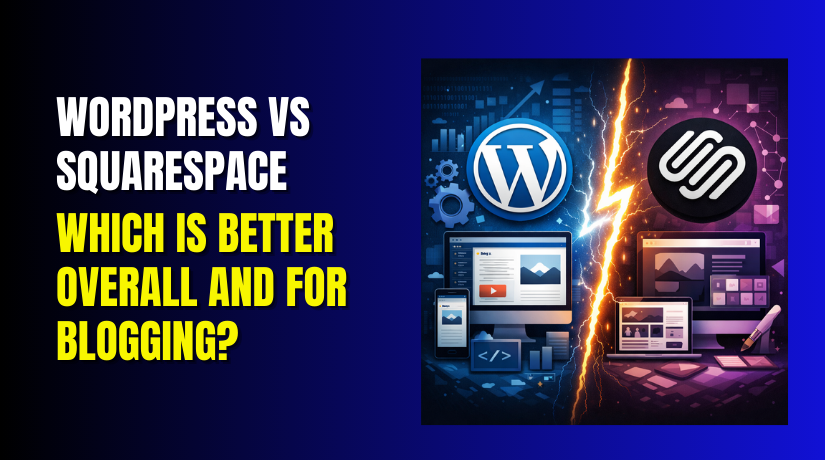
WordPress vs Squarespace: Which Is Better Overall and for Blogging?
Table of Contents
- Introduction
- The 5 decision factors that affect real blogging results
- WordPress vs Squarespace: quick comparison and the real answer
- Squarespace vs WordPress for blogging: day-to-day workflow that matters
- Blog features that impact consistency
- Content structure and media handling
- WordPress vs Squarespace for blogs when you publish at scale
- Squarespace limitations vs WordPress flexibility: design, features, and integrations
- Squarespace vs WordPress SEO: which platform gives you more ranking control
- Speed, hosting, security, and maintenance: what you control vs what’s managed
- Pricing and long-term costs: predictable plans vs flexible budgets
- Growth and monetization: turning a blog into a business
- Support options and learning curve: what help looks like in real life
- WordPress vs Squarespace pros and cons: a clear decision checklist
- Conclusion
Introduction
Choosing a blogging platform is a big business decision. It affects your traffic, leads, and income later. Many U.S. bloggers start fast, then outgrow their platform quickly. That is why this guide compares WordPress vs Squarespace in detail. Both platforms can publish blogs and build great pages. But they are built for different long-term goals. Squarespace focuses on a simple all-in-one experience. WordPress focuses on control, growth, and full flexibility. If you want a blog that scales with time, WordPress often wins. If you want a quick start with fewer settings, Squarespace can help. This post explains the real differences, with clear blogging examples. It also helps you choose based on your plans and skills.
What “better overall” means for blogging success
“Better overall” does not mean one platform is perfect. It means the platform supports real blog growth goals. A blog is not only about writing posts. It is also about ranking in Google and building trust. It is also about speed, design, and email list growth. For many creators, it also means monetization options. These factors decide if your blog stays small or scales. Use these five points to judge any platform fairly.
The 5 decision factors that affect real blogging results
1) Ownership and control of your website
You should control your content, design, and data fully. WordPress gives you full ownership with your hosting account. You can move hosts, change themes, and export content easily. Squarespace is a hosted platform with locked system rules. You can export some content, but not everything perfectly. This matters if you rebrand or migrate later.
2) Ease of publishing and daily workflow
Your blog should feel simple while writing every week. Squarespace has a smooth editor and clean design tools. WordPress also offers an easy block editor for posts. WordPress can feel bigger because it has more options. But the extra options help as you grow. With WordPress, you can build your own workflow.
3) SEO control and technical flexibility
Ranking needs control over titles, structure, and performance. WordPress gives deeper SEO control through plugins and settings. You can improve schema, internal links, and page speed tools. Squarespace has SEO features, but fewer advanced options. This is a key point in Squarespace vs WordPress SEO comparisons.
4) Costs today vs costs later
A platform can look cheap at the start. But growth can change the real monthly cost. Squarespace has fixed plans with clear billing. WordPress costs depend on your hosting and add-ons. Yet WordPress can stay cost-friendly with smart choices. Many bloggers spend only on what they truly need.
5) Scaling with plugins, tools, and integrations
Most blogs need more tools over time. You may need email marketing, lead forms, and analytics. You may need speed tools, security tools, and backups. WordPress has a huge plugin ecosystem for these needs. Squarespace has extensions, but fewer choices overall. This is the core of Squarespace limitations vs WordPress flexibility.
WordPress vs Squarespace: quick comparison and the real answer
This section answers the biggest questions fast. Many users ask, “Which is better overall for blogging?” They also ask, “Which is better for beginners?” The truth is simple. Squarespace is built for fast setup and easy design. WordPress is built for control, growth, and long-term results. For serious blogging goals, WordPress often wins overall. For simple websites and basic blogs, Squarespace can work well.
Is WordPress better than Squarespace for most serious bloggers?
For most serious bloggers, the answer is often yes. So, is WordPress better than Squarespace for long-term blogging growth? In many cases, it is. WordPress offers flexibility that supports bigger goals. It also supports better control over SEO and content structure. It gives more freedom to improve speed and performance. It also makes it easier to add advanced features later. These facts matter if you want consistent traffic growth.
Here are the biggest reasons WordPress often wins overall:
- More control over SEO and content structure for better rankings.
- More theme and design options for any blog style.
- More plugins and integrations for email and marketing tools.
- More control over speed and performance with hosting choices.
- Better long-term flexibility for scaling and monetization.
This is why many bloggers choose WordPress when traffic matters. It is also why agencies often recommend WordPress. In most WordPress vs Squarespace pros and cons lists, WordPress leads on growth.
Is Squarespace better than WordPress for beginners who want simplicity?
For beginners, Squarespace can feel easier at first. So, is Squarespace better than WordPress for quick setup? It can be, for some people. Squarespace offers a guided setup with fewer choices. It includes hosting, design templates, and basic tools in one plan. You can publish a clean blog fast with less planning. You also avoid picking hosting or installing plugins.
Squarespace is often a good fit if you want:
- A fast start with minimal setup steps.
- A simple editor with built-in design layouts.
- Fewer updates and fewer tech settings.
- A single bill that includes most basics.
But the same simplicity can become a limit later. As your blog grows, you may want more control. You may want deeper SEO tools and speed tuning. You may want custom features and better integrations. That is where many users hit Squarespace limitations vs WordPress flexibility. WordPress gives more room to expand without changing platforms.
Squarespace vs WordPress for blogging: day-to-day workflow that matters
Daily blogging is not only about writing words. It is also about planning, editing, and publishing smoothly. Your platform should help you stay consistent every week. It should also help you manage updates and content structure. This is where Squarespace vs WordPress for blogging becomes very practical. Both platforms let you publish posts and organize categories. But they feel very different during daily work. If you publish often, small workflow gaps become big problems. If you publish at scale, you need better control and tools. This section explains the real daily differences clearly.
Writing and editing experience for posts
A good editor should feel clean and fast. It should support images, headings, and links easily. It should also help you format posts for better reading.
How Squarespace feels while writing posts
Squarespace uses a block style editor for content. You add text blocks, image blocks, and other blocks. The interface looks modern and simple for new users. You can focus on layout without too many settings. You can also preview the design quickly while editing.
Squarespace writing strengths for beginners include:
- The editor stays clean and has fewer distractions.
- You can create good-looking layouts without extra plugins.
- Built-in blocks handle images, buttons, and embeds easily.
But Squarespace can feel limiting for long posts. Some formatting changes need extra clicks and workarounds. Advanced content controls are also fewer than WordPress. This matters for bloggers who write detailed guides often.
How WordPress feels while writing posts
WordPress uses the Block Editor, also called Gutenberg. It also works with blocks, like headings and images. But WordPress gives more control over each block. You can also install editor plugins for better writing flow. Many bloggers use tools for outlines, tables, and reusable blocks.
WordPress writing strengths for serious blogging include:
- Flexible blocks for content, layouts, and reusable sections.
- Better support for long-form posts with complex formatting.
- More options for tables, FAQs, and styled callouts.
- Easier internal linking with SEO plugin suggestions.
This is a key reason WordPress vs Squarespace for blogs often leans WordPress. WordPress supports content-heavy sites with better structure control.
Blog features that impact consistency
Consistency is what builds long-term traffic and trust. Your platform should support planning and publishing routines. It should also support content cleanup and updates later.
Drafts, revisions, and scheduling
Both platforms support drafts and scheduling in basic ways. But WordPress has a stronger publishing workflow overall. It supports deeper revision history and editorial control. This matters for teams and busy creators.
WordPress workflow advantages include:
- Strong revision control for fixing mistakes later.
- Scheduled publishing for content calendars and campaigns.
- Easy post duplication with plugins for faster publishing.
- Role management for authors, editors, and admins.
Squarespace supports drafts and scheduling too. But role control and workflow depth are limited. If you plan to grow your blog into a team, WordPress fits better.
Categories, tags, and content planning
Both platforms let you organize posts in groups. WordPress gives more freedom with taxonomies and structures. You can use categories, tags, and custom taxonomies. This helps SEO and navigation as posts grow.
WordPress organization strengths include:
- Better category and tag control for large blog structures.
- Custom taxonomies for series, topics, and content types.
- Plugins for related posts, topic hubs, and content clusters.
Squarespace supports categories and tags in a simpler way. It is fine for smaller blogs with fewer posts. But it gets harder when content expands.
Comments and community tools
Comments matter for some blogs and industries. WordPress supports native comments with spam control options. You can also use third-party comment tools easily. You can manage moderation settings with better control.
WordPress comment advantages include:
- Better spam control with trusted plugins.
- Flexible moderation rules and user roles.
- Easy integration with community tools and forms.
Squarespace comment features are more limited in options. You can still manage comments, but control is lighter. If community is a key part of your blog, WordPress helps more.
Content structure and media handling
A blog needs more than plain text. You will use images, videos, and screenshots often. You will also embed social posts and forms. Your platform should keep media organized and fast.
Image handling and media library control
WordPress has a full media library with folders and organization tools. You can also optimize images using image plugins. You can compress images and generate modern formats easily. This improves speed and helps rankings.
WordPress media strengths include:
- Full media library for managing many images.
- Image compression plugins to improve site speed.
- Better control over image sizes and lazy loading.
- Easier image SEO with alt text workflows.
Squarespace handles images smoothly inside the editor. But it has fewer controls for advanced optimization. For content sites with many images, this can impact performance.
Embeds, videos, and advanced blocks
WordPress supports many embed types and custom blocks. You can embed YouTube, social posts, and forms easily. You can also install plugins for advanced blocks. This helps you build modern blog layouts without limits.
WordPress content block advantages include:
- More block choices for layouts and content sections.
- Better options for FAQs, tables, and comparison boxes.
- Better support for schema-friendly content blocks.
Squarespace supports many embeds too. But the block choices are fewer overall. You may need custom code for some advanced layouts. This is another reason WordPress feels stronger for long-term blogging.
Templates, reusable sections, and content speed
If you publish often, templates save time. WordPress supports reusable blocks and pattern libraries. You can also create post templates with themes and plugins. This helps your team publish faster with consistent design.
WordPress helps speed up blogging with:
- Reusable blocks for CTAs and newsletter sections.
- Patterns for layouts like lists and how-to steps.
- Post templates for consistent formatting across articles.
Squarespace has layout sections too, but reuse is not as flexible. WordPress gives more scalable content building options.
WordPress vs Squarespace for blogs when you publish at scale
Publishing at scale changes everything. A platform that felt fine at 20 posts may struggle at 400 posts. You need better search, better internal linking, and better site structure. You also need better performance tools.
Managing hundreds of posts without getting lost
WordPress provides stronger post management tools. You can filter posts by categories, tags, and authors. You can also use plugins for bulk editing and content audits. This saves time during updates and cleanups.
WordPress scaling tools include:
- Bulk edit for titles, categories, and status changes.
- Editorial calendar plugins for planning content weeks ahead.
- Content audit plugins for outdated posts and broken links.
Squarespace can manage posts, but bulk tools are limited. It can feel slower for large content operations. This matters if blogging is your main traffic source.
Internal linking and topic clusters for SEO growth
Internal linking is a major SEO driver for blogs. WordPress makes internal linking easier with SEO plugins. These tools suggest links and improve structure. They also help you build topic clusters and hub pages.
WordPress internal linking advantages include:
- SEO plugins that guide better linking choices.
- Better control over category pages and archive structure.
- Tools for related posts and recommended reading sections.
Squarespace can still support internal linking. But it has fewer tools for link planning. This impacts growth for content-heavy blogs.
Content upgrades and long-term maintenance
Blogs need updates to stay accurate and rank well. WordPress makes it easier to update old posts. You can refresh content and improve speed tools over time. You can also test new layouts without changing platforms.
This is why many marketers say WordPress wins overall. It supports long-term blog growth better than closed platforms. This is also why is WordPress better than Squarespace is often answered yes. The answer becomes clearer as content and traffic increase.
Squarespace limitations vs WordPress flexibility: design, features, and integrations
Many bloggers start with design, not long-term control. That is normal for first-time website owners. Squarespace makes design feel simple and guided from day one. WordPress gives more choices and deeper control later. This is the core difference in WordPress vs Squarespace for growth. Squarespace is a closed platform with fixed system rules. WordPress is an open platform you can shape fully.
Design control and customization depth
Squarespace templates look polished and professional by default. You can edit fonts, colors, and spacing quickly. You can also build pages using sections and blocks. This works well for simple websites and small blogs. But deep changes can be harder without custom code.
Common Squarespace design limits include:
- Fewer theme options compared to the WordPress marketplace.
- Layout changes that depend on template structure rules.
- Less control over complex blog layouts and content templates.
- Custom features often require code or paid add-ons.
WordPress offers thousands of themes and layout options. You can use the Block Editor with theme patterns. You can also use page builders if you prefer. You can create custom templates for blog posts and categories. You can match any brand style with full freedom.
WordPress design advantages that help blogs scale:
- More themes for blogs, magazines, and content-heavy sites.
- Better control over headers, footers, and blog page layouts.
- Custom post templates for guides, reviews, and how-to posts.
- Easier design testing without changing your whole platform.
This is why many experts prefer WordPress for long-term growth.
Features and integrations
A blog needs more than posting tools over time. You will likely add email forms and lead magnets. You may add popups, analytics, and marketing automation later. You may also want better speed and security tools. WordPress supports these needs with a huge plugin ecosystem. Squarespace offers extensions, but the selection is smaller.
WordPress integration strengths for growing blogs:
- Email tools, CRM tools, and advanced form builders.
- SEO plugins, schema tools, and internal link helpers.
- Speed tools like caching and image optimization plugins.
- Memberships, courses, and ecommerce tools for monetization.
Squarespace supports common tools, but choices are limited. Some advanced tools may not connect the way you want. This becomes clear when you want custom workflows.
Future-proofing your site
Most serious bloggers want control over the future. They want freedom to change hosts and features. WordPress supports that freedom through open standards. You can move hosts and change themes anytime. You can also rebuild without losing your full content. Squarespace exports content, but migrations can be limited. Some layouts and blocks may not transfer cleanly. This is a key reason is WordPress better than Squarespace often becomes yes.


Squarespace vs WordPress SEO: which platform gives you more ranking control
SEO is not a “set it and forget it” task. Blogs need ongoing SEO work to grow traffic. You need control over on-page and technical settings. You also need tools to improve content structure. This is where Squarespace vs WordPress SEO becomes important. Squarespace covers basic SEO needs for many websites. WordPress goes further for advanced SEO growth.
On-page SEO control
On-page SEO includes titles, headings, and page descriptions. It also includes internal links and image alt text. WordPress gives stronger control through SEO plugins. These tools guide you while writing each post. They help you improve structure and readability.
WordPress on-page SEO strengths include:
- Better control for titles, meta, and social previews.
- Easy control for headings and content structure rules.
- SEO checks that guide keywords and internal linking.
- Better options for FAQ sections and rich results setup.
Squarespace offers basic page titles and descriptions. It also supports clean URLs and image alt text. But it has fewer built-in SEO helpers during writing. You may need more manual work for planning.
Technical SEO control
Technical SEO includes speed, crawling, and indexing health. It also includes redirects and structured data options. WordPress lets you tune speed through hosting and caching. You can also control redirects with simple tools. You can add schema and advanced SEO features using plugins.
WordPress technical SEO advantages include:
- Better speed tuning with caching and image compression.
- More control over redirects during URL and site changes.
- Better support for schema and structured data plugins.
- More flexibility for site architecture and content hubs.
Squarespace manages hosting and many technical parts for you. That can be good for low-maintenance sites. But it also reduces deep control for advanced SEO work.
Content SEO workflow
A blog grows when content is planned and linked well. WordPress supports content SEO workflows better than Squarespace. You can build topic clusters using categories and tags. You can add related posts and internal link tools. You can also run content audits with plugins.
This is why WordPress often wins for long-term blogging. It supports strong SEO systems as content grows. It also supports advanced tools without changing platforms. In most cases, is Squarespace better than WordPress is only true for quick starts. For scalable blogging SEO, WordPress usually stays ahead.
Speed, hosting, security, and maintenance: what you control vs what’s managed
Speed and uptime can decide your blog growth. Slow pages reduce time on site quickly. They also hurt search rankings and conversions. This is a key reason WordPress vs Squarespace is not only about design. It is also about control over performance and stability. Squarespace runs on a managed platform you cannot tune deeply. WordPress lets you choose hosting and improve performance fully.
Hosting model differences
Squarespace includes hosting inside your plan. You do not pick a server or host. You do not change caching layers or server settings. This makes setup easier for beginners. But it also limits deep performance tuning later.
Squarespace hosting is good for:
- Small blogs with light traffic and simple needs.
- Users who want fewer technical decisions.
- Owners who prefer a platform-managed setup.
WordPress is different because you choose the hosting. You can use shared hosting for small budgets. You can use managed WordPress hosting for better speed. You can use VPS or cloud hosting for heavy traffic. This control helps blogs grow without switching platforms.
WordPress hosting advantages include:
- You can upgrade hosting as traffic grows over time.
- You can tune speed with caching and server settings.
- You can choose U.S. data centers for better local load time.
- You can use a CDN and edge caching for faster pages.
This flexibility is a strong reason many bloggers prefer WordPress. It also supports long-term growth plans better.
Security and updates
Security is a real part of blogging today. Bots scan sites every day for weak points. Both platforms are secure when managed correctly. But the responsibility is different.
Squarespace handles most security for you. It manages platform updates in the background. You do not update plugins because there are fewer. This reduces daily maintenance tasks.
Squarespace security benefits include:
- Updates happen without user action most of the time.
- Fewer add-ons means fewer conflict risks.
- Basic security is handled by the platform team.
WordPress security depends on good maintenance habits. You update WordPress core and plugins regularly. You also use backups and security tools for protection. This sounds like more work, but it gives control. It also lets you choose the security level you want.
WordPress security best practice setup includes:
- Use strong passwords and limit login attempts.
- Update themes and plugins on a fixed schedule.
- Install a security plugin and enable firewall features.
- Set daily backups and store them offsite.
- Use a trusted host with malware scanning options.
With the right setup, WordPress can be very secure. Many large brands run WordPress safely at scale. The key is using reliable plugins and staying updated.
Reliability as your traffic grows
Traffic growth can cause new site issues. A slow host may crash during spikes. A weak platform may limit advanced scaling options. Squarespace handles scaling inside its system rules. It can work well for steady traffic patterns. But you cannot change much when you need more power.
WordPress gives more scaling options because you control hosting. You can add caching and upgrade server resources. You can also move to better hosting with less disruption. This matters for viral traffic and seasonal campaigns. It also matters for long guides and image-heavy content.
This is why many sites choose WordPress for serious blogging. It supports performance growth better over time.
Pricing and long-term costs: predictable plans vs flexible budgets
Cost is not only the monthly bill. It also includes feature add-ons and growth tools. Many bloggers ask which platform is cheaper long term. The answer depends on what you need later.
Squarespace plans are simple and predictable. You pay one monthly or yearly price. Hosting, templates, and core features are included. This is great for beginners who want clear billing.
Squarespace cost strengths include:
- One plan covers most basic website needs.
- You do not pay for hosting separately.
- Support is included in the platform plan.
WordPress costs are more flexible and customizable. You can start with low-cost hosting and a free theme. You can also use many free plugins to begin. As you grow, you may pay for premium plugins or better hosting. But you choose what you pay for and when.
WordPress cost strengths include:
- You pay only for what your blog truly needs.
- You can start small and upgrade step by step.
- You can change hosts to control costs better.
- Many powerful tools are free or low cost.
In many cases, WordPress is more cost-friendly at scale. That is because you avoid being locked into one plan. You can also shop for better value in hosting and tools.
This cost flexibility is part of the wider discussion. It supports Squarespace limitations vs WordPress flexibility in real budgets.
Growth and monetization: turning a blog into a business
A blog can become more than a hobby. Many bloggers turn traffic into income over time. Monetization needs tools, tracking, and flexibility. This is another area where WordPress often wins overall.
Common monetization paths
Most blog income paths depend on tracking and optimization. You want good analytics and conversion tools. You want email list growth and lead capture. You want landing pages for offers and promos.
Common blog monetization options include:
- Affiliate marketing with product links and reviews.
- Display ads and sponsored content placements.
- Service leads for local or online business owners.
- Email list growth for repeat traffic and sales.
- Digital products like templates and ebooks.
WordPress supports these paths with more tools and plugins. You can test forms, CTAs, and popups with ease. You can also run A/B tests with the right tools. You can build custom funnels as your blog grows.
Squarespace can still support monetization, especially for simple cases. But advanced tracking and funnel tools can feel limited. Some tools need workarounds or custom code.
Ecommerce and paid content
Many bloggers add ecommerce later. They may sell courses or memberships. They may sell physical products or digital downloads. They may also offer paid newsletters or private content.
WordPress supports advanced selling with strong ecosystems. WooCommerce is a major reason for this strength. You can add product types, coupons, and membership rules. You can also add subscriptions and paid content systems.
WordPress monetization strengths include:
- Advanced ecommerce features through WooCommerce tools.
- Membership plugins for paid articles and communities.
- Course plugins for selling training and workshops.
- Payment options and checkout customization with plugins.
Squarespace also offers ecommerce tools. It can work well for simple stores. But deeper selling features can feel limited for growing brands. This is why many bloggers start on Squarespace, then move later. It also supports the point that is WordPress better than Squarespace often becomes yes with growth.
Support options and learning curve: what help looks like in real life
Every platform has a learning curve at the start. The difference is how fast you get unstuck. It also depends on how much control you want later. This is another key point in WordPress vs Squarespace decisions. Squarespace feels easier because it is guided and managed. WordPress feels bigger because it offers many choices. But WordPress also offers more ways to get help.
Learning curve comparison
Squarespace has a smaller learning curve for most beginners. You choose a template and edit blocks quickly. You do not pick hosting or install many add-ons. This makes it feel less stressful for first-time users. That is why many people ask, is Squarespace better than WordPress for beginners. For setup speed, it can be.
WordPress has a wider learning curve, but it is manageable. The dashboard has more menus and settings. You may need to choose a theme and a host. You may also add plugins for SEO and speed. But once you learn the basics, publishing is simple. Also, WordPress skills transfer to many projects.
WordPress becomes easier when you:
- Choose a fast host and a quality theme early.
- Keep plugins limited and use only trusted tools.
- Follow a simple content publishing workflow weekly.
- Use backups and updates on a fixed schedule.
When you should hire help
Sometimes DIY is not the best path. A small issue can waste many hours. Hiring help can save time and protect your traffic. This is true for both platforms, but the reasons differ.
You should hire help when you face:
- Slow site speed and high bounce rates from visitors.
- SEO drops after updates or major design changes.
- Broken layouts on mobile or tablet screens.
- Migration needs, like moving from Squarespace to WordPress.
- Plugin conflicts, error messages, or login problems.
- Tracking issues with analytics, tags, and conversions.
If you need third-party help options, consider WooHelpDesk. They can help with WordPress fixes, setup, and migrations. They can also help troubleshoot blog issues fast and safely.
WordPress vs Squarespace pros and cons: a clear decision checklist
This section gives a quick and honest comparison. It helps you decide without confusion. It also answers the common search intent behind WordPress vs Squarespace pros and cons. Both platforms can support blogging success. But they work best for different types of users. Use these lists to choose based on your real goals.
WordPress strengths for bloggers and growing websites
WordPress is built for flexibility and long-term growth. It supports many blog styles and business models. It also supports deep SEO control and integrations.
Key WordPress pros include:
- Full ownership and control over your site and content.
- Huge theme and plugin options for any blog style.
- Strong SEO control with advanced tools and plugins.
- Flexible hosting choices for better speed and scaling.
- Better content structure for large blog libraries.
- Easier monetization with ecommerce and memberships.
These points explain why many ask, is WordPress better than Squarespace. For serious blogging growth, WordPress often is.
Squarespace strengths for quick setup and clean design
Squarespace is made for simple site building with fewer steps. It is strong for design-first users and small websites. It also helps people launch faster with less planning.
Key Squarespace pros include:
- Very fast setup with an all-in-one platform plan.
- Clean templates that look polished without extra work.
- Fewer maintenance tasks since hosting is included.
- Simple editor that works well for basic blog posting.
This is why some users feel is Squarespace better than WordPress at first. For simple needs and fast launch, it can be.
Squarespace trade-offs that can limit long-term blogging
Squarespace is easier, but it is also more limited. These limits show up when you want advanced growth. This is the real meaning behind Squarespace limitations vs WordPress flexibility.
Common Squarespace limits include:
- Less flexibility for deep SEO and technical changes.
- Fewer plugin and integration choices for marketing tools.
- Less control over hosting, caching, and speed tuning.
- Harder scaling for large blogs with complex structures.
- Migrations can be harder when you outgrow the platform.
Best-for checklist to choose quickly
Choose WordPress if you want:
- Long-term blog growth and strong SEO control.
- Full flexibility for features, design, and integrations.
- Better monetization options as your blog becomes a business.
- A platform that scales with traffic and content volume.
Choose Squarespace if you want:
- A simple blog with minimal setup and quick launch.
- A clean design without worrying about hosting choices.
- A smaller website with fewer advanced feature needs.
This helps clarify Squarespace vs WordPress for blogging in real use. It also supports the broader WordPress vs Squarespace decision.
Conclusion
So, WordPress vs Squarespace, which is better overall? If you want long-term blogging growth, WordPress is usually the better pick. It gives more control over design, features, and SEO strategy. It also gives better freedom for speed tuning and scaling. It supports advanced tools for content planning and monetization. These are factual advantages that matter for serious bloggers. That is why many answers to is WordPress better than Squarespace lean yes.
Squarespace is still a solid platform for quick starts. It works well for simple blogs and small websites. It also works well if you want fewer tech tasks. But the limits show up as your blog grows. That is why Squarespace limitations vs WordPress flexibility is a common topic. WordPress offers more room to grow without switching platforms. For most blogging goals, WordPress wins overall.
If you want a WordPress blog that runs fast and ranks well, get expert help. WooHelpDesk can help you choose hosting, set up themes, and improve SEO. We can also migrate your site from Squarespace to WordPress safely.