WooCommerce Shopping Cart Not Working: Common Causes, Errors & Easy Fixes
Table of Contents
- Introduction
- What Is WooCommerce Shopping Cart and How It Works in Simple Terms
- How to Identify Where the Cart Problem Is Coming From
- Most Common Reasons WooCommerce Shopping Cart Stops Working
- How to Fix WooCommerce Shopping Cart Not Working (Step-By-Step)
- How To Prevent WooCommerce Cart Issues In The Future
- Conclusion
Introduction
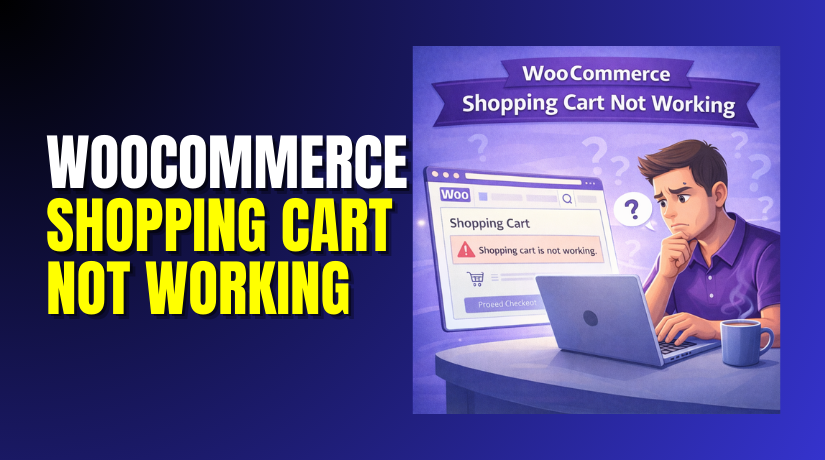
The WooCommerce shopping cart plays a critical role in online sales success. When the WooCommerce shopping cart is not working, customers cannot complete purchases smoothly. This directly impacts conversions, trust, and overall store performance. Many store owners first notice the issue when products fail to stay in the cart. Others report the WooCommerce cart not working during checkout or page refresh. In some cases, the WooCommerce cart page not loading at all creates confusion for users.
Cart issues often appear without warning after updates or plugin changes. A customer may click add to cart and see nothing happen. This usually indicates WooCommerce add to cart not working correctly. Sometimes items disappear after refreshing the page. This common problem is known as the WooCommerce cart empty issue. Another frequent symptom includes the WooCommerce cart redirecting to shop unexpectedly. These problems frustrate users and increase cart abandonment rates.
Understanding why these issues occur is the first step toward fixing them. WooCommerce cart problems can come from multiple technical sources. These include sessions, caching, plugins, themes, or server settings. Without proper troubleshooting, the issue may continue unnoticed. This guide explains the basics clearly and prepares you to identify the real cause.
What Is WooCommerce Shopping Cart and How It Works in Simple Terms
The WooCommerce shopping cart is a temporary storage area for selected products. It allows customers to review items before completing a purchase. When a user clicks the add to cart button, WooCommerce saves product data. This data includes quantity, price, and variation details.
WooCommerce uses sessions to store cart information securely. Sessions help remember cart contents while users browse pages. Cookies support this process by linking the session to the browser. If sessions or cookies fail, cart data may not save correctly. This often results in the WooCommerce cart empty issue after page reloads.
AJAX plays an important role in modern WooCommerce carts. It allows products to be added without refreshing the page. When WooCommerce add to cart not working, AJAX errors are often involved. Themes or plugins may block or break these requests. As a result, users see no response after clicking buttons.
The cart page itself uses a dedicated WooCommerce page setting. If this page is missing or misconfigured, problems occur. This may cause the WooCommerce cart page not loading properly. In some cases, users are redirected unexpectedly. This behavior explains the WooCommerce cart redirecting to shop issues.
WooCommerce relies on proper coordination between themes, plugins, and server settings. Even a small misconfiguration can break cart functionality. Understanding how the cart works helps identify where things go wrong. This foundation makes troubleshooting easier and more effective.
How to Identify Where the Cart Problem Is Coming From
Check Add To Cart Button Behavior
Start by clicking the add to cart button on different products. If nothing happens, the WooCommerce add to cart not working issue may exist. This usually indicates JavaScript or AJAX problems. If the button works but no product appears in the cart, sessions or cookies may be failing. This step helps narrow the problem early.
Test Cart Page Loading Directly
Open the cart page using its direct URL. If the page fails to open, you may face a WooCommerce cart page not loading issue. If it opens but redirects elsewhere, configuration problems likely exist. Many stores experience WooCommerce cart redirecting to shop due to page assignment or plugin conflicts.
Refresh Page After Adding Products
Add a product and refresh the page immediately. If the cart becomes empty, it indicates session issues. This is a common WooCommerce cart empty issue. WooCommerce relies on sessions to store cart data. If sessions break, products disappear after reload. This test confirms session-related failures clearly.
Test Across Browsers And Devices
Open the store in different browsers and devices. If the issue appears only in one browser, cache or script errors may exist. If the problem appears everywhere, server or plugin conflicts are more likely. This simple test helps identify whether the WooCommerce cart not working issue is browser-specific or global.
Most Common Reasons WooCommerce Shopping Cart Stops Working
WooCommerce Session And Cookie Problems
WooCommerce uses sessions and cookies to store cart data. If sessions fail, the cart cannot remember products. This leads to the WooCommerce cart empty issue after page reloads. Hosting restrictions, cache tools, or security plugins often block sessions. Session problems are one of the most common cart failures.
Cache Enabled On Cart Or Checkout Pages
Cart and checkout pages must never be cached. When cached, users see outdated cart data. This causes the WooCommerce shopping cart not working for many stores. Cache plugins and hosting cache systems often ignore WooCommerce rules. Improper cache settings silently break cart updates.
Plugin Conflicts Affecting Cart Requests
Some plugins block or modify WooCommerce cart behavior. Security, optimization, or popup plugins often cause conflicts. When this happens, WooCommerce add to cart not working becomes common. Conflicts usually start after installing or updating a plugin. Plugin testing helps identify the exact cause quickly.
Theme Compatibility Or Custom Code Issues
Poorly coded themes may override WooCommerce templates incorrectly. Custom code can also interfere with cart logic. These issues may cause WooCommerce cart redirecting to shop or prevent cart updates. Theme-related problems often appear after theme updates or customization changes. Testing with a default theme confirms this cause.
JavaScript Or AJAX Errors On Cart Actions
WooCommerce uses AJAX to update the cart dynamically. If JavaScript errors occur, cart buttons stop responding. This directly affects add to cart functionality. Script errors often come from themes or plugins. When scripts fail, users experience WooCommerce cart not working without visible errors.
Incorrect WooCommerce Cart Page Configuration


WooCommerce requires a properly assigned cart page. If the cart page is deleted or misconfigured, errors appear. This often causes the WooCommerce cart page not loading issue. Missing shortcodes also break cart displays. Checking WooCommerce page settings is critical for proper cart functionality.
How to Fix WooCommerce Shopping Cart Not Working (Step-By-Step)
Clear Cache And Exclude Cart Pages
Start by clearing all cache from your cache plugin and hosting panel. Cart and checkout pages must never be cached. Cached pages cause outdated cart data to appear. This often leads to WooCommerce shopping cart not working issues. Exclude cart, checkout, and my account pages from caching. This simple step resolves many cart-related problems quickly.
Verify WooCommerce Cart Page Settings
Go to WooCommerce settings and check the cart page assignment. If the cart page is missing or incorrect, WooCommerce cannot load it properly. This often causes the WooCommerce cart page not loading issue. Restore default WooCommerce pages if needed. Also ensure the cart shortcode exists on the assigned page.
Disable Plugins To Identify Conflicts
Deactivate all plugins except WooCommerce temporarily. Then test the cart functionality again. If the cart works, reactivate plugins one by one. This helps identify which plugin breaks the cart. Plugin conflicts are a major reason behind WooCommerce add to cart not working issues. Security and optimization plugins are common culprits.
Switch To A Default WooCommerce Theme
Temporarily switch to a default theme like Storefront. This helps confirm whether the issue is theme-related. If the cart works correctly, your active theme likely has compatibility issues. Theme conflicts often cause WooCommerce cart redirecting to shop unexpectedly. Testing with a default theme provides clear answers quickly.
Check And Fix JavaScript Errors
Open the browser console and check for JavaScript errors. Errors here can block cart actions and AJAX requests. Broken scripts often stop cart updates without visible warnings. JavaScript issues are common when WooCommerce cart not working suddenly. Fixing or removing the conflicting script restores normal cart behavior.
Clear And Regenerate WooCommerce Sessions
WooCommerce stores cart data using sessions. If sessions become corrupted, cart contents disappear. This creates the WooCommerce cart empty issue after page reloads. Clear expired sessions from WooCommerce status tools. This forces WooCommerce to generate fresh sessions and restores cart stability.
Update WordPress, WooCommerce, And PHP
Outdated software often causes compatibility problems. Update WordPress and WooCommerce to stable versions. Also ensure your PHP version matches WooCommerce requirements. Incompatible PHP versions break cart functionality silently. Keeping everything updated reduces WooCommerce cart not working issues and improves overall store stability.
How To Prevent WooCommerce Cart Issues In The Future
Avoid Caching Cart And Checkout Pages
Always exclude cart, checkout, and account pages from caching. Cached pages show outdated cart data to users. This often causes WooCommerce shopping cart not working problems later. Configure cache plugins and hosting cache rules properly. Review cache settings after every plugin or hosting change to prevent cart issues.
Test Updates On A Staging Site First
Never update plugins, themes, or WooCommerce directly on live stores. Always use a staging site for testing. Many WooCommerce cart not working issues start after updates. Testing updates first helps catch conflicts early. This approach protects live cart functionality and prevents sudden sales loss.
Keep Plugins And Themes Minimal
Avoid installing unnecessary plugins on your store. Too many plugins increase conflict risks. Poorly coded plugins often break cart behavior silently. Keeping plugins minimal reduces chances of WooCommerce add to cart not working issues. Always choose well-maintained plugins compatible with WooCommerce updates.
Monitor Cart Behavior Regularly
Test cart functionality regularly as part of store maintenance. Add products, refresh pages, and complete test orders weekly. Early testing helps detect WooCommerce cart empty issue or redirect problems quickly. Regular monitoring ensures smooth shopping experiences and protects conversions.
Conclusion
A broken cart directly impacts store revenue and customer trust. Issues like WooCommerce cart page not loading or redirects must be fixed quickly. Understanding causes, applying fixes, and preventing future problems ensures smooth cart performance. If troubleshooting feels complex or time-consuming, expert help makes a difference.
Get professional WooCommerce support from Woohelpdesk. Our experts diagnose and fix WooCommerce cart issues quickly. Keep your store running smoothly and protect your sales today.